

Fluoride is a naturally occurring mineral that strengthens tooth enamel and helps the mouth resist the everyday acid attacks that come from eating and drinking. It works quietly in the background of most oral care routines, present in tap water, toothpaste and professional treatments, yet many people have never had a clear explanation of what it actually does or why dental professionals recommend it so consistently.
Key takeaways
- Fluoride strengthens enamel by helping it remineralise after acid exposure from food and drink.
- It is available through water supplies, toothpaste, mouth rinses and in-office treatments.
- Fluoride is most effective when used consistently as part of a daily routine.
- The right amount of fluoride varies by age, and children need age-appropriate guidance.
- Too little fluoride raises decay risk, while excessive amounts in early childhood can affect enamel appearance.
What Exactly Does Fluoride Do to Teeth?
Enamel is constantly cycling through a natural process of demineralisation and remineralisation. Acids from food, drink and bacterial activity strip minerals from enamel throughout the day, while saliva and fluoride work together to redeposit them. Fluoride speeds up this remineralisation process and makes the enamel that forms more resistant to future acid attacks, which is why it plays such a central role in decay prevention.
Beyond simply repairing minor damage, fluoride also disrupts the way cavity-causing bacteria produce acid in the first place. This dual action, strengthening enamel while slowing bacterial acid production, is what makes fluoride more effective at preventing decay than brushing technique or diet control alone, even though those factors matter too.
Where Does Fluoride Come From in Daily Life?
Most people encounter fluoride from multiple sources without necessarily realising it. Community water systems in many regions are fluoridated at a level designed to support dental health without posing any risk, and this remains one of the most effective public health measures for reducing decay rates across a population.
Toothpaste is the other major everyday source, with most standard formulations containing a fluoride concentration calibrated for daily use. Some mouth rinses also include fluoride for an additional layer of protection. Together, these small and consistent exposures throughout the day add up to meaningful protection over time, which is why regularity matters more than any single application.
Why Do Dentists Recommend Fluoride Toothpaste Specifically?
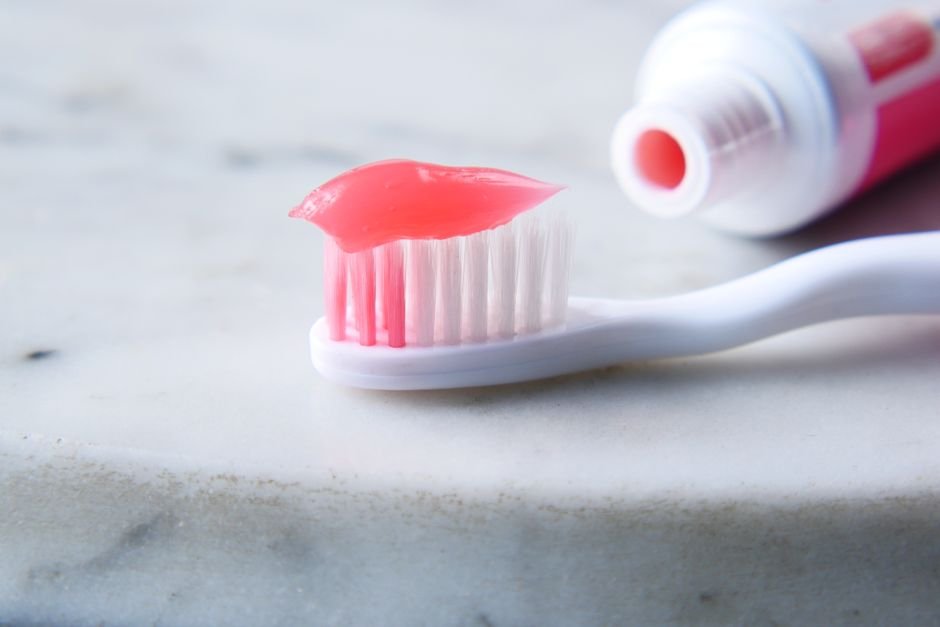
Non-fluoride toothpaste can still help remove plaque and freshen breath, but it misses the remineralising benefit that makes fluoride toothpaste so effective at reducing cavities. Dental professionals recommend fluoride toothpaste because the evidence consistently shows lower decay rates among people who use it as part of a twice-daily routine.
The technique of brushing matters here too. Spitting out excess toothpaste without rinsing heavily with water afterward allows a thin protective layer of fluoride to remain on the teeth for longer, extending its benefit between brushings. This small adjustment to routine is one of the simplest ways to get more value from a toothpaste that’s already being used every day.
How Much Fluoride Do Children Need?
Children’s fluoride needs differ from adults because their enamel is still developing and their swallowing reflex isn’t as reliable. A smear of fluoride toothpaste is generally appropriate for very young children, increasing to a pea-sized amount as they grow older and become better at spitting rather than swallowing toothpaste.
Supervision during brushing remains important well into the early school years, both to ensure teeth are cleaned thoroughly and to make sure the right amount of toothpaste is being used. Professional fluoride treatments applied during dental checkups can offer an extra layer of protection for children who may be at higher risk of decay.
What Is Fluorosis and Should It Be a Concern?
Fluorosis is a cosmetic condition that can occur when children consume too much fluoride while their permanent teeth are still forming under the gums, typically before around eight years of age. It usually appears as faint white streaks or spots on the enamel and does not affect tooth function or overall health.
Mild fluorosis is common and rarely a significant cosmetic concern, but it’s a good reason why fluoride toothpaste amounts should be age-appropriate and supervised in young children. Using only the recommended amount, and discouraging swallowing of toothpaste, are simple ways to minimise the already low risk of fluorosis.
Does Fluoride Help Adults as Much as Children?
While fluoride’s role in developing strong enamel is especially important during childhood, adults continue to benefit from it throughout life. Adult enamel still undergoes the same demineralisation and remineralisation cycle, and fluoride continues to support that process regardless of age.
Adults with a higher risk of decay, such as those with dry mouth, receding gums exposing root surfaces, or a history of frequent cavities, may benefit from additional fluoride measures like prescription-strength toothpaste or professional treatments. A dental professional can help identify whether extra fluoride support makes sense for an individual’s specific risk profile.
What Are Professional Fluoride Treatments Like?
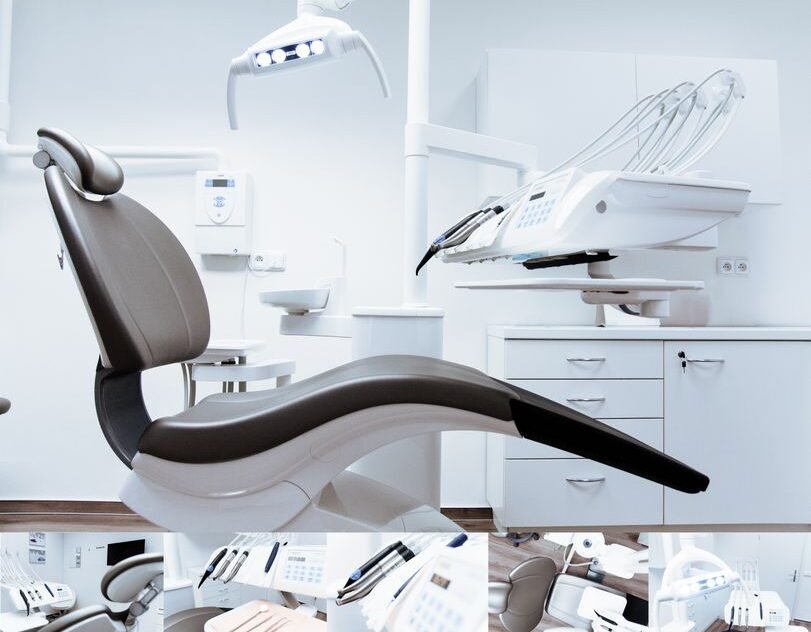
In-office fluoride treatments typically involve a gel, foam or varnish applied directly to the teeth during a dental visit, offering a concentration higher than what’s found in over-the-counter products. These treatments are quick, generally take just a few minutes, and are often recommended for people at elevated risk of decay.
The effects of a professional treatment complement rather than replace daily fluoride exposure from toothpaste. Think of it as a periodic boost layered on top of an already consistent home routine, rather than a standalone solution. Combined, these approaches offer stronger protection than either one alone.
Is Fluoride Safe for Long-Term Use?
Decades of research and widespread use back the safety of fluoride at the levels found in water supplies and standard dental products. Dental and public health organisations around the world continue to support its use as an evidence-based method of decay prevention when used as directed.
As with most things, moderation and appropriate use are what matter most. Following label instructions on toothpaste, attending regular dental checkups, and using professional treatments as recommended rather than in excess ensures fluoride continues to work as intended without any unnecessary risk.
What Happens If Fluoride Exposure Is Too Low?
People who avoid fluoridated water, use only non-fluoride toothpaste, or have limited access to dental care may face a higher risk of decay over time. Without this extra layer of enamel protection, the natural demineralisation process from everyday eating and drinking can outpace the mouth’s ability to repair itself.
This doesn’t mean decay is inevitable without fluoride, since diet, hygiene and genetics all play a role too. But for most people, incorporating fluoride through toothpaste and, where available, fluoridated water remains one of the simplest and most effective ways to reduce that risk over a lifetime of use.
How Does Fluoride Interact With Diet?
Fluoride works best as part of a broader approach to oral health rather than as a standalone fix for a poor diet. Frequent snacking on sugary or acidic foods creates more opportunities throughout the day for enamel to lose minerals, and while fluoride helps that enamel recover, it can’t fully offset a pattern of near-constant acid exposure.
Pairing fluoride use with mindful eating habits, such as limiting how often sugary foods and drinks are consumed rather than eliminating them entirely, gives the remineralisation process the best chance to keep pace. Rinsing with water after eating and waiting a short while before brushing also supports enamel that has just been exposed to acid.
What Should People Look for When Choosing a Fluoride Product?
Most standard toothpaste sold for daily use contains an appropriate fluoride concentration for general decay prevention, and checking the label for the word “fluoride” alongside a stated concentration is generally enough for most adults and older children. Specialised high-fluoride toothpaste is usually only necessary when recommended by a dental professional.
For families with young children, choosing an age-appropriate toothpaste, often labelled specifically for children with a lower fluoride concentration, is a reasonable default until a dentist advises otherwise. Reading labels and asking a dental professional directly removes any guesswork around which product suits a particular stage of life.
Frequently Asked Questions
What is the difference between fluoride in water and fluoride in toothpaste?
Water fluoridation provides a low, steady background level of protection throughout the day from drinking, while toothpaste delivers a more concentrated dose directly to the tooth surface during brushing. Both work together rather than replacing one another, offering layered protection.
Can too much fluoride be harmful?
Excessive fluoride intake during early childhood, while permanent teeth are forming, can lead to fluorosis, a cosmetic condition affecting enamel appearance. At the levels found in standard dental products and fluoridated water used as directed, fluoride is considered safe for long-term use.
Do adults still need fluoride toothpaste?
Yes, adult enamel continues to undergo the same demineralisation and remineralisation cycle as a child’s, and fluoride supports that process throughout life. Adults with higher decay risk may benefit from additional fluoride measures recommended by a dental professional.
How often should professional fluoride treatments be done?
This depends on individual risk factors and is best determined during a dental checkup. People with a higher risk of decay may be advised to have treatments more frequently, while those with lower risk may need them less often or not at all.
Is non-fluoride toothpaste an acceptable alternative?
Non-fluoride toothpaste can still help clean teeth and freshen breath, but it does not offer the same remineralising and decay-prevention benefits. Most dental professionals recommend fluoride toothpaste as the more effective choice for long-term enamel protection.