

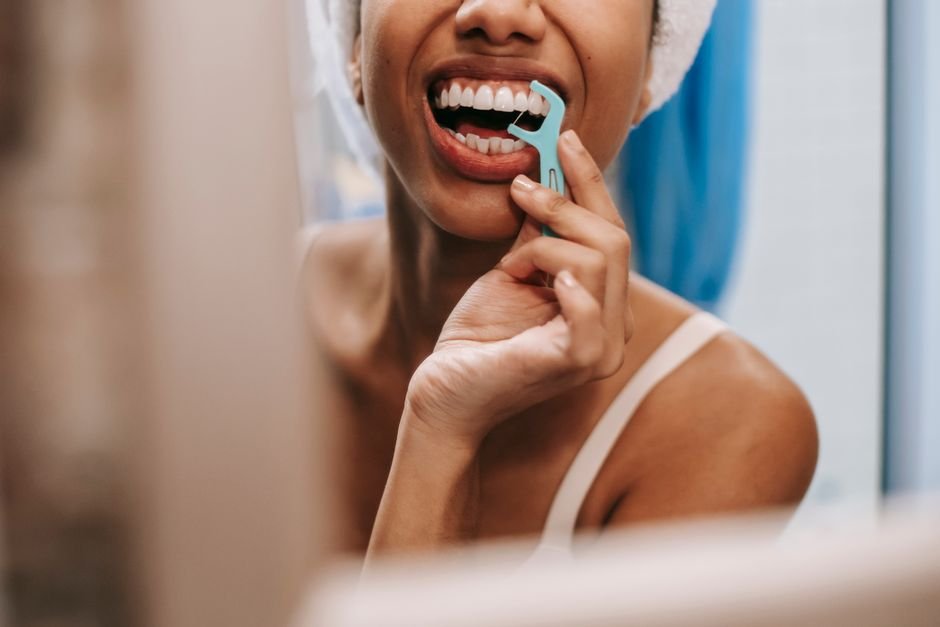
Smart water flossers work by using a pressurised, pulsing stream of water to clean between teeth and along the gumline, and for most people they are an effective addition to a daily oral care routine, particularly for reaching areas that string floss struggles to access. The “smart” versions add pressure sensors, app connectivity, or automatic timers, but the underlying mechanism is the same water flosser technology that has been studied for years. They are not a replacement for brushing, but the evidence supporting water-based interdental cleaning is genuinely solid.
Key takeaways
- Smart water flossers use pulsing water pressure to remove plaque and debris between teeth and below the gumline.
- They are especially helpful for people with braces, bridges, implants, or limited hand dexterity.
- The “smart” features add convenience but do not change the core cleaning mechanism.
- They complement brushing and traditional flossing rather than replacing either.
- Consistency matters more than which specific device or setting is used.
How does a water flosser actually clean teeth?
A water flosser reservoir feeds a thin, pressurised stream of water through a nozzle that is aimed along the gumline and between each tooth. The pulsing action disrupts and flushes away soft plaque and trapped food particles that a toothbrush bristle often cannot reach, especially in the tight contact points between teeth. Because the water pressure can be adjusted, the sensation ranges from a gentle massage to a firmer clean, and most users work up to a comfortable middle setting within the first week of use.
The pulsing rhythm also has a secondary benefit: it gently stimulates the gum tissue, which some research links to modest improvements in gum circulation over time. This is not a substitute for the mechanical scraping action of floss, which physically drags along the tooth surface, but it complements it by clearing the wider area around the tooth and gum pocket that floss alone cannot always reach.
What makes a water flosser “smart”?
The word “smart” on packaging usually refers to added electronics rather than a fundamentally different cleaning method. Common smart features include pressure sensors that stop the unit if too much force is applied, Bluetooth connectivity that logs how long and how thoroughly a session lasted, and pre-set modes for sensitive gums, whitening, or orthodontic care. Some models include a built-in timer that guides the user around the full arch of teeth in a set number of seconds per quadrant.
These additions can help build a consistent habit, particularly for people who like tracking progress or who tend to rush through oral care. However, none of these features change the underlying physics of water pressure cleaning debris from between teeth. A basic corded water flosser without any smart features can be just as effective as a connected one, provided it is used correctly and consistently every day.
Who benefits most from using one?
People with fixed braces often find water flossers far easier to use than string floss, since the pulsing water can flow around brackets and wires without needing to thread floss under each one. The same applies to those with bridges, implants, or wide gaps between teeth, where a water stream can access areas that floss physically cannot reach without special threaders.
Anyone with limited hand dexterity, including older adults or people with arthritis, may also find a water flosser considerably easier to manage than manipulating a length of floss with precision. It is worth noting, though, that water flossers are a helpful addition rather than a required upgrade for everyone; people who floss thoroughly and comfortably with string floss may not notice a dramatic difference by switching.
Can a water flosser replace traditional floss entirely?
Most dental professionals view water flossers as a complement to string floss rather than a full replacement, largely because the two tools clean slightly differently. String floss provides direct mechanical contact that scrapes plaque off the tooth surface, while water flossers rely on pressure to dislodge and flush debris. For most mouths, using both, even on different days, offers broader coverage than relying on just one method.
That said, for people who reliably skip flossing altogether because they find string floss uncomfortable or fiddly, a water flosser used every single day is a considerably better outcome than string floss used inconsistently or not at all. The best interdental cleaning method is ultimately the one a person will actually use every day without fail.
How long does a proper water flossing session take?
A thorough session typically takes between one and two minutes, moving the nozzle slowly along the gumline and pausing briefly between each tooth to let the pulsing water work. Rushing through in under thirty seconds tends to miss large sections of the mouth, particularly the back molars where food debris commonly collects. Building the habit of counting to two or three seconds per tooth gap helps ensure even coverage across the full arch.
It also helps to lean over a sink or shower with the mouth slightly open, since water sprays outward as it flushes debris loose. Most people find their technique improves considerably after the first few uses, once they get a feel for the correct angle and distance from the gumline.
Are there any downsides or risks to using one?
Water flossers are generally very safe, though using excessive pressure on sensitive or inflamed gums can occasionally cause minor discomfort or short-term bleeding, similar to what can happen when first introducing string floss into a routine that has been missing it. Starting on a lower pressure setting and gradually increasing it over the first week or two usually avoids this issue entirely.
The reservoir and nozzle also need regular cleaning and occasional replacement, since moisture trapped in tubing can allow bacterial buildup if left unwashed for extended periods. Rinsing the unit after each use and letting it air dry keeps it hygienic and ensures the water stream stays consistent over the life of the device.
Does water temperature or additive matter?
Plain warm water is sufficient for most people and is the safest default, since it is gentle on sensitive teeth and gums while still providing effective cleaning pressure. Some flosser reservoirs are designed to accept a small amount of antiseptic mouth rinse diluted with water, which some users prefer for an added freshness effect, though this is a matter of personal preference rather than a requirement for effectiveness.
Very cold water can occasionally trigger sensitivity in people prone to sensitive teeth, so lukewarm water tends to be the most comfortable choice for daily use. There is no need for specialised solutions or additives beyond what a dentist specifically recommends for a particular condition.
How does a water flosser fit into an overall wellness routine?
Oral care increasingly sits alongside broader wellness habits, and a water flosser fits naturally into a morning or evening self-care routine much like a skincare step or a stretching habit. Because sessions are quick and the pulsing sensation is not unpleasant once a person adjusts to it, many people find it easier to stick with than string floss, which can feel like a chore that gets skipped when time is short.
Building it into an existing routine, such as right after brushing at night, tends to produce the most consistent long-term habit. Pairing it with a fixed cue, like placing the unit next to the toothbrush, removes the friction of remembering a separate step.
What should you look for when choosing one?
Reservoir size is one of the more practical considerations, since a larger tank means fewer refills during a session but also a bulkier countertop unit, while a smaller cordless model trades some capacity for portability and ease of storage in a small bathroom. Pressure range matters too, particularly for anyone with sensitive gums who wants to start low and work upward gradually rather than being locked into a single fixed setting.
Nozzle variety is worth checking as well, since some brands include specialised tips for orthodontic care, periodontal pockets, or tongue cleaning alongside the standard jet tip. Battery life becomes relevant for cordless designs meant to travel, and a unit that holds a charge for several weeks of daily use tends to be far more convenient than one needing frequent recharging. None of these features change the core effectiveness of the water stream itself, so they are best thought of as convenience factors rather than deciding factors for whether the device works.
Frequently Asked Questions
Do smart water flossers clean better than basic models?
Not inherently. The smart features add convenience like tracking and pressure alerts, but the actual cleaning comes from water pressure and pulsing, which basic models provide just as effectively when used consistently and correctly.
Can a water flosser cause gum damage if used too often?
Used at a sensible pressure setting once or twice daily, water flossers do not damage healthy gum tissue. Excessive pressure on already inflamed gums can cause temporary discomfort, so starting gently and increasing gradually is the safer approach.
Is it better to water floss before or after brushing?
Either order works, though many people find flossing first loosens debris that brushing then clears away more effectively. The most important factor is doing both consistently rather than the specific sequence.
How often should the flosser tip be replaced?
Most manufacturers recommend replacing tips every three to six months, similar to a toothbrush head, since the nozzle can wear down and become less effective at directing a focused stream over time.
Can children use a water flosser safely?
Many models include a lower pressure setting suitable for children once they are old enough to manage independent oral care, though supervision is still sensible to make sure the technique and pressure level are appropriate.