
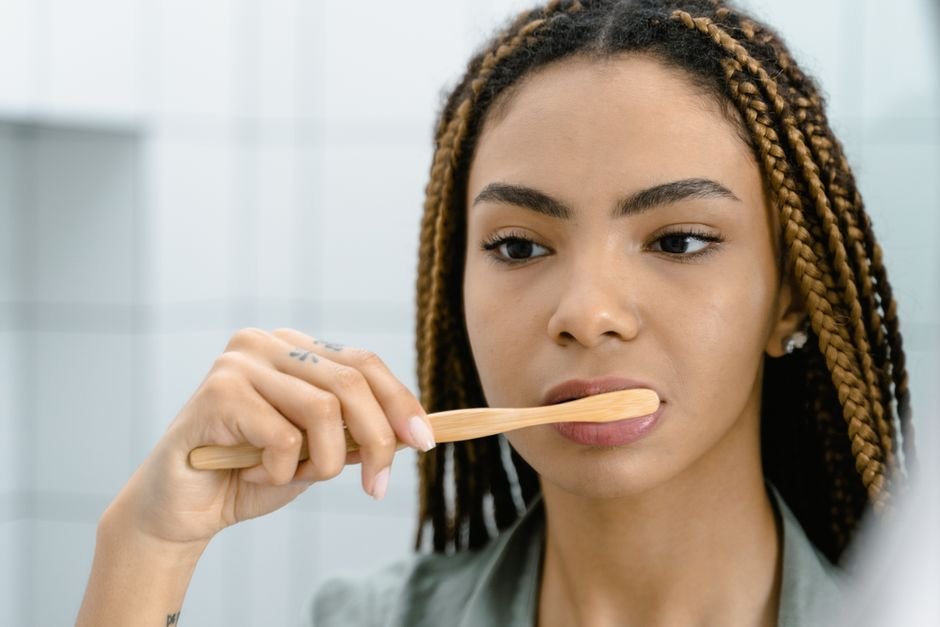
Staying consistent with oral care during busy periods comes down to simplifying your routine rather than trying to do more, so brushing and flossing survive even on your most hectic days. When schedules get unpredictable, elaborate routines involving multiple products and extra steps are usually the first thing to fall away, while a short, dependable routine tends to stick. The goal during busy stretches is not perfection, but making sure the essentials happen every single day, no matter how the rest of your schedule looks.
Key takeaways
- A short, simple routine is more sustainable than an elaborate one during busy weeks.
- Anchoring brushing to existing habits helps it survive a disrupted schedule.
- Keeping travel-sized supplies handy prevents missed sessions away from home.
- Consistency matters more than intensity when time is genuinely limited.
- Scheduling checkups in advance protects long term care from short term busyness.
Why Does Oral Care Often Slip First When Life Gets Busy?
Oral care routines tend to be quiet and easy to postpone, since skipping a single brushing or flossing session rarely causes an immediate, noticeable problem. Unlike a missed meeting or an overdue bill, there is no immediate consequence, which makes it tempting to tell yourself you will make up for it tomorrow. Over weeks of a busy schedule, though, these small skips add up.
Complex routines are particularly vulnerable to this pattern, because each additional step is another opportunity to run out of time or energy. A routine with several separate products and a long list of steps might work well on a calm evening, but it is often the first thing sacrificed when you are exhausted or rushing out the door. Recognising this pattern is the first step toward building a routine that can actually withstand a hectic season.
How Can Anchoring Habits to Existing Routines Help?
One of the most reliable ways to protect a habit during busy periods is to attach it firmly to something you already do without fail, such as getting dressed in the morning or getting into bed at night. When brushing is mentally linked to an action that is already automatic, it becomes much harder to forget, even when your mind is preoccupied with other responsibilities.
This kind of anchoring works because it removes the need to consciously remember or decide to brush at a specific time. Instead, one action simply triggers the next. Keeping your toothbrush and toothpaste somewhere visible and consistent, rather than tucked away, reinforces this connection and reduces the mental effort required to follow through, even on your most distracted days.
What Does a Simplified Routine Look Like?
A simplified oral care routine focuses on the essentials: brushing for two minutes twice a day and flossing once daily. These core habits provide the vast majority of the benefit that a more elaborate routine offers, and they can be completed in just a few minutes total. Additional products can be valuable, but they are not the difference between healthy and unhealthy teeth during a demanding week.
Simplifying does not mean lowering your standards, but rather being honest about what you can realistically maintain under pressure. A basic routine performed every single day beats an ambitious routine that only happens sporadically. Once your schedule calms down, it is easy enough to reintroduce extra steps, but during genuinely busy stretches, protecting the fundamentals should be the priority.
How Can You Prepare for Days Away From Home?
Busy periods often involve travel, long shifts, or days spent away from your usual bathroom setup, which is exactly when routines are most likely to break down. Keeping a small travel kit with a toothbrush, travel-sized toothpaste, and floss in your bag, car, or desk drawer removes the excuse of not having what you need when you are away from home.
Having backup supplies in more than one location, such as your workplace or gym bag, also reduces the friction of remembering to pack everything each morning. The fewer decisions and preparations required in the moment, the more likely the habit is to survive a chaotic day. Treating these supplies as a permanent fixture in your bag, rather than something you set up occasionally, makes this far more reliable.
Does Timing Your Routine Around Meals Help?
Linking brushing to meals, particularly your last meal of the day, gives your routine a natural and fairly consistent trigger even when your overall schedule is unpredictable. Since most people eat dinner at some point regardless of how busy the day has been, using that meal as your cue for evening brushing tends to be more reliable than tying it to a specific clock time.
For people with irregular work hours or shift patterns, meal-based timing can be more practical than trying to brush at a fixed hour that shifts constantly. The key is choosing an anchor point that realistically appears in your day regardless of circumstances, rather than one that depends on a stable schedule you cannot always guarantee.
How Do Snacking Habits Change During Busy Periods?
Busy schedules often bring more frequent snacking, particularly on convenient, sugary, or starchy foods grabbed between tasks. Each time you eat, your mouth experiences a temporary dip in pH that takes time to recover from, so frequent grazing throughout a hectic day gives your teeth less opportunity to naturally rebalance between exposures.
Choosing snacks that are gentler on your teeth, such as cheese, nuts, or raw vegetables, and drinking water alongside sugary or acidic snacks when you do have them, can help offset some of this extra exposure. This does not mean cutting out convenient snacks altogether during a demanding week, but being slightly more mindful of what and how often you are eating can make a real difference.
Why Is Consistency More Important Than Intensity?
A common misconception is that occasional deep, thorough sessions can make up for missed or rushed brushing on other days. In reality, oral health responds far better to steady, moderate effort applied every day than to inconsistent bursts of intense effort followed by gaps. Bacteria in the mouth rebuild quickly, so daily disruption of plaque matters more than how meticulously any single session is performed.
This is genuinely good news for busy people, since it means a reliable two-minute brushing routine performed every day is more protective than an occasional five-minute session done only when time allows. Shifting your mindset away from perfection and toward consistency takes some of the pressure off and makes the habit easier to sustain long term.
How Should You Handle Dental Appointments During Busy Seasons?
Checkups are often one of the easiest things to postpone when life gets hectic, since they require advance planning and time away from other responsibilities. Booking your next appointment before you leave the dental office, rather than waiting until you feel ready to schedule it, removes the need to find time for it later when your calendar is already full.
Treating checkups as a fixed, recurring commitment, similar to a regular bill or subscription, rather than an optional errand, helps protect this part of your care from being crowded out. Catching small issues early during a routine visit is also far less disruptive to a busy schedule than dealing with a larger problem that could have been identified sooner.
Frequently Asked Questions
Is it better to floss in the morning or at night during busy weeks?
Either time works well as long as it happens consistently. Choosing whichever time of day is less likely to be disrupted by your schedule, and sticking with it daily, matters more than the specific hour you choose.
Can mouthwash replace brushing on extremely busy days?
Mouthwash can be a helpful addition, but it does not physically remove plaque the way brushing does. It should be treated as a supplement to brushing rather than a substitute for it, even on the busiest days.
What is the minimum routine worth protecting during a hectic period?
Brushing for two minutes twice daily and flossing once a day represents the core routine worth protecting above all else, since these two habits provide the majority of everyday oral health benefit.
How can I remember to brush when my schedule changes daily?
Anchoring brushing to a consistent action you always perform, such as your last meal or getting into bed, tends to work better than relying on a fixed clock time when your schedule varies from day to day.
Does stress from a busy schedule affect oral health directly?
Stress can contribute to habits like teeth grinding and can sometimes affect gum health over time, so maintaining your basic routine during stressful periods is particularly valuable, not just optional.