


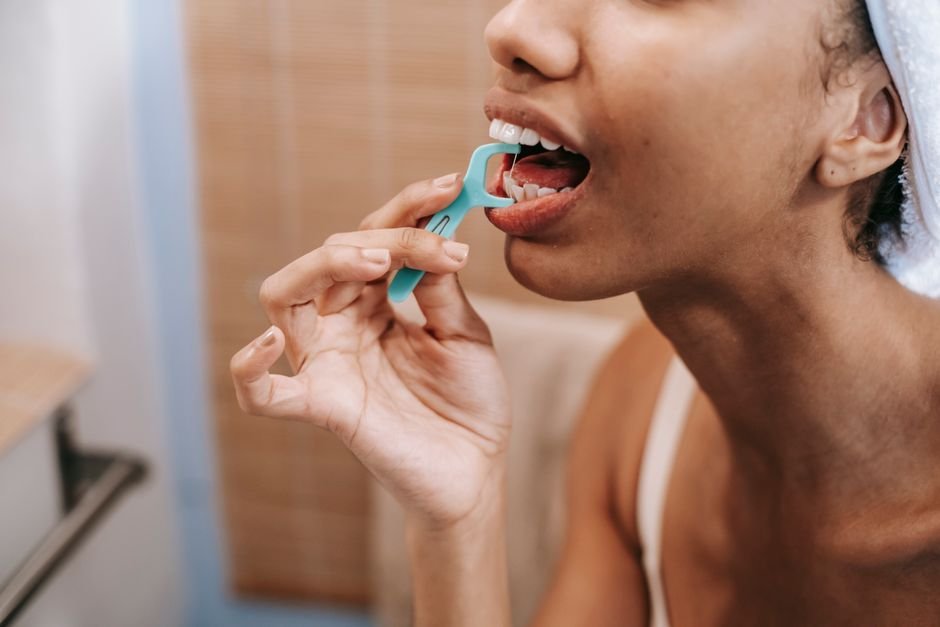
Flossing correctly without hurting your gums comes down to using a gentle sawing motion to guide the floss between teeth rather than snapping it downward, and curving it against each tooth surface instead of forcing it straight into the gumline. Most gum discomfort from flossing comes from technique, not from flossing itself being inherently harsh, and once the motion is adjusted, the bleeding and soreness that put many people off flossing tend to fade within a couple of weeks.
Key takeaways
- Gentle, curved motions against the tooth prevent most flossing-related gum irritation.
- Initial bleeding from flossing is often a sign of inflammation, not a reason to stop.
- Snapping floss down onto the gums is the most common cause of soreness.
- Consistency matters more than force when it comes to reducing gum sensitivity over time.
- Persistent pain or bleeding beyond a couple of weeks is worth mentioning to a dentist.
Why Does Flossing Sometimes Hurt in the First Place?
Discomfort during flossing is usually caused by one of two things: technique that puts too much pressure directly on the gum tissue, or gums that are already inflamed due to a build-up of plaque along the gumline. In the second case, the discomfort is often a signal that the area needs more attention, not less, even though the instinct is to avoid the spot that hurts.
Snapping the floss down quickly between teeth, rather than easing it in with a controlled motion, is one of the most common technique errors. This sudden movement can nick the gum tissue directly, creating a sharp, specific pain that has more to do with force than with flossing itself being harmful.
What Is the Correct Motion for Guiding Floss Between Teeth?
The floss should be eased between teeth using a gentle back-and-forth sawing motion rather than pushed straight down in one motion. Once it reaches the gumline, it should be curved into a C-shape against the side of one tooth and gently slid up and down against that surface before repeating on the neighbouring tooth.
This curved motion allows the floss to clean along the tooth surface and just beneath the gumline without digging directly into the gum tissue itself. Rushing this step, or trying to clean both sides of the gap with the floss held straight, is a common reason people experience unnecessary discomfort.
How Much Bleeding During Flossing Is Normal?
Some light bleeding when starting or resuming a regular flossing habit is common and typically reflects gum tissue that has become mildly inflamed from plaque build-up rather than damage caused by the floss itself. This bleeding usually decreases noticeably within one to two weeks of consistent, gentle flossing as the gum tissue becomes healthier.
Persistent bleeding that does not improve with continued gentle flossing, or bleeding that is heavy rather than light, is different and worth discussing with a dentist. It can indicate a level of gum inflammation that benefits from a professional cleaning rather than home care alone.
Does the Type of Floss Make a Difference?
Different floss types suit different needs. Waxed floss tends to glide more easily between tightly spaced teeth and is less likely to shred or catch, which can reduce irritation for people prone to gum sensitivity. Unwaxed floss can offer a slightly better grip on the tooth surface but may be more prone to snapping through tight contacts.
Floss picks and interdental brushes are useful alternatives for people who find traditional floss difficult to manage, particularly around dental work or wider gaps between teeth. The best type is ultimately the one a person will use consistently and comfortably, since consistency matters more than the specific product chosen.
Should Flossing Happen Before or After Brushing?
Both orders are considered acceptable, though flossing before brushing allows the toothbrush and toothpaste to clean away debris and bacteria loosened by the floss, potentially improving fluoride contact with areas between the teeth. The difference in outcome between the two orders is relatively small compared to the benefit of flossing consistently at all.
What matters more than sequence is thoroughness and gentleness in each step. Rushing through flossing just to check it off before brushing tends to produce worse technique and more irritation than taking the extra thirty seconds needed to do it properly, regardless of which step comes first.
How Can Sensitive Gums Be Eased Into a Flossing Routine?
For people with particularly sensitive or inflamed gums, starting with a gentler frequency, such as flossing every other day rather than daily, and gradually increasing to daily use as the gums heal, can make the transition more comfortable. Rinsing with warm salt water after flossing can also soothe mild irritation during this adjustment period.
Using a softer or more flexible floss during this period, along with extra care around the curved C-shape motion, tends to reduce discomfort while still delivering the plaque-removal benefit. The goal during this adjustment phase is consistency without causing additional trauma to already sensitive tissue.
What Mistakes Make Flossing More Uncomfortable Than Necessary?
Beyond snapping the floss downward, other common mistakes include only flossing the same few teeth each time, using a piece of floss that has already picked up bacteria from other areas of the mouth, and applying uneven pressure that favours one side of the gap over the other.
Skipping the back teeth, where access is harder and the temptation to floss quickly is strongest, is another frequent source of irritation, since rushed technique in hard-to-reach areas is more likely to involve exactly the kind of forceful, imprecise motion that causes gum soreness in the first place.
When Should Ongoing Discomfort Be Discussed With a Dentist?
If gum pain or bleeding continues beyond two to three weeks of consistent, gentle flossing, it is worth raising with a dentist rather than assuming it will resolve on its own. Persistent symptoms can indicate gum disease at an early stage, which responds well to treatment but does not typically improve through home care alone.
A dentist can also check whether technique is contributing to the problem by observing flossing directly and offering corrections, or by identifying areas where dental work, tooth alignment, or gum recession may be making certain spots more prone to irritation than others.
How Does Flossing Fit Into a Wider Gum Health Routine?
Flossing is one part of a broader approach to gum health that also includes brushing twice a day with proper technique, using an antimicrobial or fluoride mouthwash if recommended, and attending regular dental cleanings that remove hardened plaque a toothbrush and floss cannot reach on their own. None of these steps fully replaces the others.
People who floss consistently but neglect other aspects of oral hygiene, or vice versa, often still experience gum inflammation because plaque accumulates in slightly different areas depending on the habit being skipped. A complete routine addresses the whole mouth rather than relying on a single technique to do all the work.
Can Diet Influence How Sensitive Gums Feel During Flossing?
Diets high in sugar and refined carbohydrates tend to feed the bacteria responsible for plaque build-up, which can make gums more inflamed and more sensitive to flossing than they would otherwise be. Reducing frequent sugary snacking can ease this sensitivity over time, working alongside good flossing technique rather than replacing it.
Adequate hydration also supports healthy saliva flow, which helps naturally limit plaque build-up between meals. While diet alone will not eliminate the need for flossing, it can meaningfully reduce how inflamed and reactive the gums feel when a flossing routine is introduced or resumed after a break.
Frequently Asked Questions
Is bleeding gums always a sign of doing something wrong?
Not necessarily. Some initial bleeding is common when starting or resuming a flossing habit and usually settles within one to two weeks. Bleeding that continues beyond that point is worth mentioning to a dentist.
Should I floss every tooth or just the ones that feel tight?
Every tooth benefits from flossing, including areas that feel loose or easy to clean with a toothbrush alone. Plaque builds up between all teeth regardless of how tight or open the gap feels.
Can flossing too hard actually damage the gums?
Yes. Excessive pressure or snapping the floss down onto the gum tissue can cause small cuts or irritation. A gentle, controlled motion protects the gums while still effectively removing plaque.
Are floss picks as effective as traditional floss?
Floss picks can be effective for many people, particularly those who find traditional floss awkward to manage. The key factor is thorough technique and consistent use rather than the specific tool chosen.
How long should flossing take each day?
Flossing thoroughly usually takes around two to three minutes when done properly, covering both sides of every tooth with the correct curved motion rather than rushing through the process.