


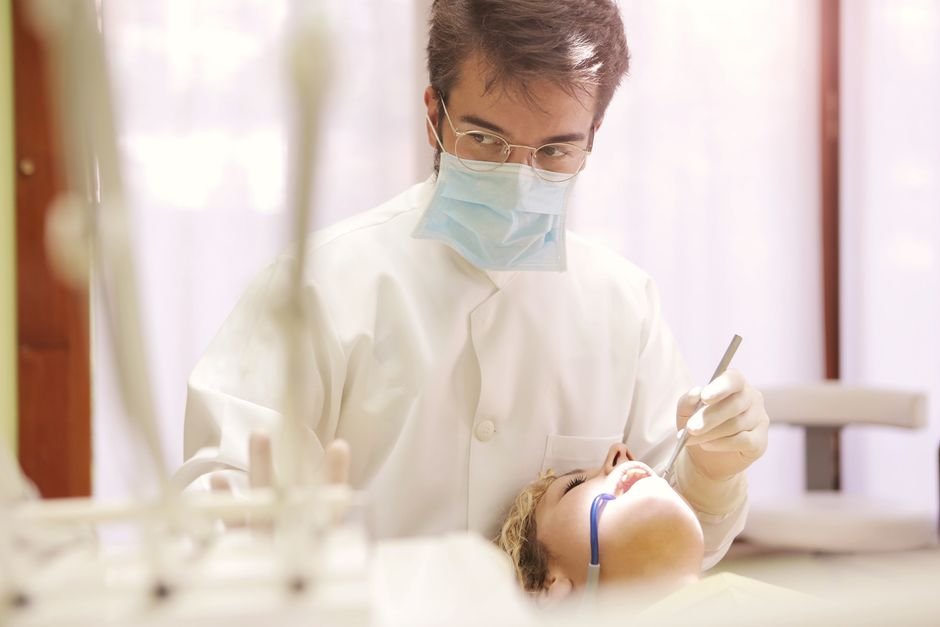
Dry mouth deserves more attention because saliva does far more than keep the mouth comfortable, it actively protects teeth and gums from decay, infection, and irritation throughout the day. When saliva production drops, that protective layer disappears, and the effects build up quietly over weeks and months rather than announcing themselves immediately. Many people dismiss occasional dryness as a minor annoyance, when it can actually be an early signal of a condition that needs addressing.
Key takeaways
- Saliva plays an active protective role against decay, not just a comfort function.
- Chronic dry mouth increases cavity risk even in people with otherwise good habits.
- Many common medications list dry mouth as a side effect people don’t expect.
- Simple daily habits can meaningfully ease mild to moderate dry mouth symptoms.
- Persistent dryness is worth raising with a dentist rather than dismissing as minor.
What Does Saliva Actually Do for Oral Health?
Saliva continuously washes away food particles and neutralises the acids produced by bacteria after eating. It also contains minerals that help re-strengthen tooth enamel throughout the day, effectively repairing tiny amounts of damage before they become a bigger problem. This ongoing process happens largely without notice, which is exactly why its absence can go unrecognised for a long time.
Beyond its role in decay prevention, saliva also makes chewing, swallowing, and speaking more comfortable by keeping the tissues of the mouth lubricated. It plays a part in taste perception as well, since dissolved food particles need moisture to reach the taste receptors on the tongue effectively.
What Causes Chronic Dry Mouth?
Dry mouth has a wide range of possible causes, from simple dehydration and mouth breathing during sleep to certain medications, autoimmune conditions, and changes associated with ageing. Medications are one of the most common and least expected culprits, with many blood pressure treatments, antihistamines, and antidepressants listing reduced saliva flow as a side effect.
Other causes include nerve damage, radiation treatment to the head or neck area, and salivary gland disorders that directly reduce the gland’s ability to produce saliva. Because the causes vary so widely, persistent dry mouth is worth discussing with a healthcare provider rather than assuming it will resolve on its own.
How Does Dry Mouth Increase Cavity Risk?
Without adequate saliva, the natural rinsing and buffering process that protects teeth after eating is significantly reduced. Acids from food and bacteria linger longer on the tooth surface, giving them more time to erode enamel and create the conditions for decay to take hold, even in people who brush and floss consistently.
This is why people with chronic dry mouth, whether from medication or an underlying condition, often see a noticeable increase in cavities despite maintaining the same oral hygiene routine they always have. The change is not in their habits but in the protective environment their mouth is able to maintain.
What Are the Everyday Signs of Dry Mouth?
Common signs include a persistent sticky or dry feeling in the mouth, difficulty swallowing dry foods without water, a change in taste, and a rough or dry-feeling tongue. Some people also notice their lips cracking more often or find that dentures fit less comfortably than they used to.
Bad breath can also become more noticeable, since saliva normally helps wash away the bacteria responsible for odour. Waking up with a very dry mouth is common and often linked to breathing through the mouth during sleep, but persistent dryness throughout the day is a stronger signal worth paying attention to.
What Daily Habits Help Manage Mild Dry Mouth?
Sipping water regularly throughout the day, rather than drinking large amounts infrequently, helps maintain a more consistent level of moisture in the mouth. Chewing sugar-free gum can also stimulate natural saliva production, since the act of chewing itself signals the salivary glands to become more active.
Avoiding excessive caffeine and alcohol, both of which have a drying effect, can also make a noticeable difference for people with mild symptoms. Using a humidifier at night, particularly for those who breathe through their mouth while sleeping, addresses one of the most common causes of morning dryness.
When Should Dry Mouth Be Raised With a Dentist?
If dryness persists for weeks, interferes with eating or speaking, or is accompanied by an increase in cavities or mouth sores, it is worth raising directly with a dentist rather than treating it as a background annoyance. A dentist can assess whether the dryness is contributing to changes in oral health and recommend targeted solutions.
This conversation is particularly important for anyone who has recently started a new medication or noticed dryness developing around the same time as another health change. Identifying a likely cause makes it easier to address the dryness directly rather than only managing its downstream effects on the teeth.
What Products Can Support People With Persistent Dry Mouth?
Saliva substitutes and specially formulated dry mouth rinses are available and designed to mimic some of saliva’s protective and lubricating qualities. These products do not replace natural saliva entirely, but they can provide meaningful relief for people whose dryness is chronic and not easily resolved through hydration alone.
Toothpaste formulated specifically for dry mouth, which is often milder and free from ingredients that can worsen irritation, can also make daily brushing more comfortable. A dentist can recommend which of these products are best suited to a person’s specific symptoms and underlying cause.
Why Does Dry Mouth Often Go Unaddressed for So Long?
Because dry mouth develops gradually in many cases, it is easy to adapt to the discomfort without recognising it as a change worth mentioning. People often assume it is simply part of getting older, a side effect of stress, or a temporary phase, rather than something with an identifiable and often manageable cause.
This gradual adjustment means the protective effects of saliva can be missing for a long time before anyone connects the dots between dryness and an increase in dental problems. Raising it early, even when it seems minor, gives a better chance of identifying the cause before it affects oral health further.
How Does Dry Mouth Differ Between Day and Night Symptoms?
Daytime dry mouth often relates to hydration levels, caffeine intake, medication timing, or ongoing conditions that reduce saliva flow consistently throughout waking hours. It tends to be more noticeable during talking, eating, or physical activity, when the demand on saliva production is highest and any shortfall becomes more apparent.
Nighttime dry mouth, on the other hand, is frequently linked to mouth breathing during sleep, which can be caused by nasal congestion, sleep position, or conditions like sleep apnoea. Waking up with a very dry mouth that improves within an hour of rising is a different pattern from dryness that persists all day, and recognising which pattern applies can help identify the right approach.
How Can People Track Whether Their Dry Mouth Is Improving?
Keeping a simple record of when dryness occurs, how severe it feels, and what seems to help or worsen it can be genuinely useful, both for personal awareness and for conversations with a dentist or doctor. Patterns that might otherwise go unnoticed, such as dryness worsening after a particular medication dose, become clearer with a few weeks of casual tracking.
This kind of record also helps measure whether changes such as increased water intake, a humidifier, or a new toothpaste are actually making a difference. Without tracking, it can be difficult to tell whether symptoms are genuinely improving or simply fluctuating day to day for unrelated reasons.
Frequently Asked Questions
Is occasional dry mouth something to worry about?
Occasional dryness, especially after exercise or in dry weather, is usually not a concern. Persistent dryness that continues for weeks or interferes with eating, speaking, or sleeping is the type worth discussing with a dentist or doctor.
Can dry mouth really cause more cavities?
Yes. Reduced saliva means acids and food particles stay on the teeth longer, increasing the risk of decay even for people who maintain consistent brushing and flossing habits.
Do all medications that cause dry mouth list it clearly?
Not always prominently. Dry mouth is a common side effect listed for many medications, but it is not always the first thing patients notice on the label, so it often goes unrecognised as the cause.
Does drinking more water fully solve dry mouth?
Hydration helps with mild cases, but chronic dry mouth caused by medication or an underlying condition often needs additional strategies, such as saliva substitutes or a change in medication discussed with a healthcare provider.
Can dry mouth affect more than just teeth?
Yes. It can affect taste, comfort while eating and speaking, denture fit, and increase the risk of mouth sores and bad breath, in addition to raising the risk of tooth decay over time.