


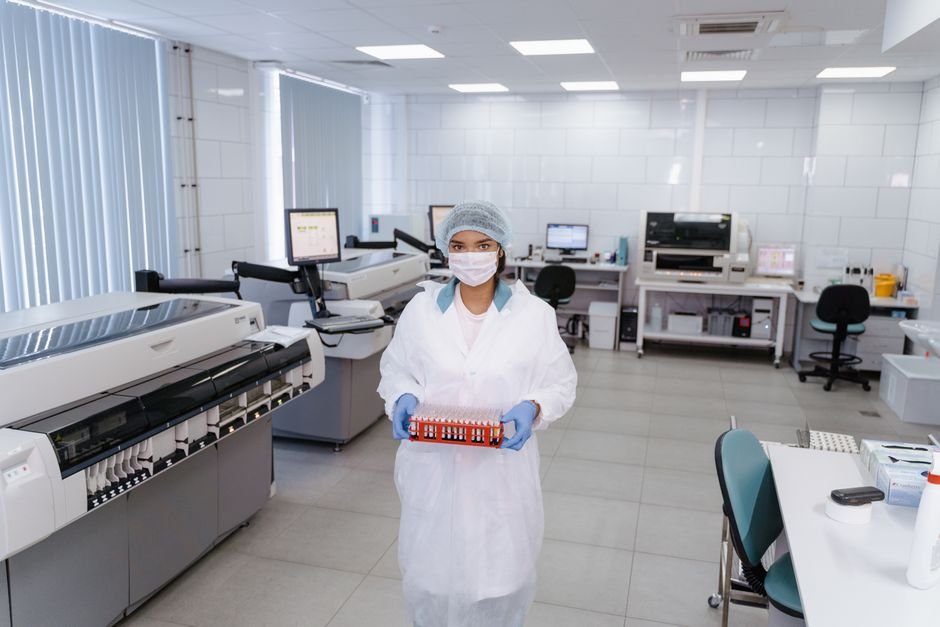
Genetic testing is starting to show up in dental care as a way to understand why some people develop cavities or gum disease more easily than others, even with similar habits. Rather than replacing brushing, flossing, and regular checkups, genetic insight is being used alongside them to explain risk levels that traditional hygiene advice alone couldn’t account for. It’s an emerging tool, not a replacement for prevention, but it’s changing how some dental teams think about personalised care.
Key takeaways
- Genetics can influence enamel strength, saliva composition, and susceptibility to gum inflammation.
- Genetic testing in dentistry is used to inform prevention strategy, not to diagnose disease directly.
- Two people with identical habits can have very different cavity or gum disease risk due to inherited traits.
- This approach is still emerging and works best as a complement to, not a substitute for, daily oral care.
- Understanding personal risk factors can help tailor how often checkups or specific treatments are recommended.
Why Do Some People Get More Cavities Than Others?
Two people can follow nearly identical brushing and flossing routines and still end up with very different cavity histories, which has long puzzled both patients and dental professionals. Part of the answer lies in inherited traits like enamel thickness, tooth shape, and the natural composition of saliva, all of which affect how resistant teeth are to acid attack. Deeper grooves in molars, for instance, are harder to clean thoroughly and are partly determined by genetics rather than habit alone.
Saliva also varies significantly between individuals in its buffering capacity, meaning how effectively it neutralises the acids produced by bacteria after eating. Some people naturally produce saliva that clears sugars and acids from the mouth more quickly, offering a built-in advantage that has nothing to do with brushing technique. Recognising that some of this variation is inherited helps explain why identical advice doesn’t produce identical outcomes for everyone.
What Genetic Factors Influence Gum Disease Risk?
Gum disease risk isn’t purely a matter of plaque control; research has identified genetic variations that affect how strongly a person’s immune system responds to the bacteria that accumulate along the gumline. Some people mount an inflammatory response that is disproportionately strong relative to the actual bacterial load present, which can accelerate tissue damage even with reasonably good hygiene. This helps explain why gum disease sometimes runs in families independent of shared habits.
Understanding this genetic component doesn’t change the basic prevention steps, but it does help explain why some people need more frequent professional cleanings or closer monitoring than others. A family history of gum disease is a genuinely useful piece of information to share with a dental team, since it can shift how proactively a case is managed. It reframes gum health as something shaped by both inherited tendency and daily care working together.
How Is Genetic Testing Actually Used in a Dental Setting?
Where genetic testing is available, it typically involves a simple saliva or cheek swab sample that’s analysed for specific markers linked to inflammation response, enamel development, or bacterial susceptibility. The results are then used to build a more individualised risk profile, which can inform how often checkups are scheduled or which preventive treatments might be prioritised for a particular patient. It’s a supporting layer of information rather than a stand-alone diagnostic tool.
This kind of testing is still relatively uncommon in general practice and tends to appear more often in research settings or specialised clinics focused on personalised preventive care. For most patients, traditional risk assessment methods, such as reviewing diet, hygiene habits, and family history, remain the primary tools used day to day. Genetic testing is best understood as an additional layer of insight that may become more mainstream as the technology matures and costs decrease.
Can Genetics Explain Why Orthodontic Issues Run in Families?
Jaw size, tooth spacing, and bite alignment are all traits with a strong hereditary component, which is why crowded teeth or bite misalignments often appear across multiple generations of the same family. A child whose parents both needed braces has a meaningfully higher likelihood of needing orthodontic treatment themselves, independent of any habits during childhood. This inherited structural component is separate from decay or gum disease risk but is just as clearly genetic in origin.
Recognising this pattern early can be useful for parents deciding when to schedule an orthodontic evaluation for a child, since early intervention sometimes produces better outcomes than waiting until all permanent teeth have erupted. It doesn’t mean treatment is inevitable, but a family history of significant orthodontic work is a reasonable prompt to have a professional assessment done sooner rather than later. Genetics sets the underlying structure, while timing and treatment approach still shape the final result.
Does Genetic Risk Mean Prevention Doesn’t Matter?
It’s worth being clear that a genetic predisposition toward cavities or gum disease is not the same as an inevitability; it simply means the margin for error with hygiene habits may be smaller for some people than others. Someone with a higher inherited risk who brushes, flosses, and attends regular checkups consistently can still maintain excellent oral health throughout their life. Genetics shifts the odds, but daily habits remain the single biggest lever most people actually control.
In practice, this means genetic insight is most useful as a way to calibrate effort and attention, not as a reason to give up on prevention. Someone who learns they carry a higher inflammatory response risk for gum disease might reasonably choose more frequent professional cleanings as a sensible precaution. The information becomes actionable rather than discouraging when it’s used to fine-tune, rather than replace, an already solid care routine.
What Does This Mean for How Checkups Might Change?
As genetic insight becomes more accessible, some dental teams are beginning to think about checkup frequency and preventive treatments in more individualised terms rather than applying a single standard interval to every patient. Someone with a lower genetic risk profile and excellent hygiene might comfortably stick with a standard six-month schedule, while someone with higher inherited risk might benefit from a shorter interval between visits. This is a gradual shift rather than a wholesale change to how dentistry is practised today.
It’s also prompting more conversations about family history during checkups, since a parent’s or sibling’s dental history can now be understood as genuinely predictive information rather than just an interesting anecdote. Patients who share this context give their dental team a fuller picture of their likely risk factors, which supports better-tailored advice. This shift toward personalisation is incremental, but it reflects a broader trend of treating prevention as something that can be fine-tuned to the individual.
How Does Saliva Composition Tie Into All of This?
Saliva does far more than keep the mouth comfortable; its mineral content, flow rate, and buffering capacity are all genetically influenced traits that directly affect cavity resistance. People with naturally lower saliva flow, whether from genetics or other factors, tend to face a higher baseline cavity risk simply because there’s less natural rinsing action working in the background throughout the day. This is one of the more measurable genetic contributors currently being studied in relation to oral health.
Some emerging testing approaches specifically look at saliva’s mineral composition to assess how effectively it can help remineralise early, weak spots in enamel before they progress into actual cavities. This kind of insight can inform decisions about fluoride use, remineralising products, or dietary adjustments tailored to an individual’s natural saliva profile. It’s a good example of how genetic understanding translates into practical, everyday prevention advice rather than remaining purely theoretical.
Is This Kind of Testing Something Most People Should Consider?
For most people with no unusual family history of severe dental problems, standard prevention, brushing, flossing, a balanced diet, and regular checkups, remains entirely sufficient without needing any genetic insight at all. Genetic testing tends to be most valuable for people with a strong family history of early or severe gum disease, unusually persistent cavities despite excellent hygiene, or specific orthodontic patterns that have appeared across multiple generations. It’s a targeted tool rather than something needed universally.
Anyone curious about whether genetic testing might add value to their care is best served by raising the question directly with their dental team, who can explain what’s currently available and whether it would meaningfully change their prevention plan. As the field develops, this kind of testing is likely to become more accessible and more commonly discussed, but it will continue to work alongside, not instead of, the daily habits that remain the foundation of good oral health.
Frequently Asked Questions
Can genetics really explain why I get more cavities than my partner?
Yes, to a meaningful extent. Enamel strength, tooth grooves, and saliva composition all have a genetic component, which means two people with similar habits can still have noticeably different cavity risk. Habits still matter enormously, but they aren’t the whole picture.
Is genetic testing for dental risk widely available right now?
Not yet as a standard part of most checkups. It appears more often in research settings or specialised preventive care practices, and for most patients, traditional risk assessment based on habits and family history remains the primary approach.
Does a genetic predisposition to gum disease mean it’s unavoidable?
No. It means the margin for error may be smaller, so consistent hygiene and possibly more frequent professional cleanings become more important. People with higher genetic risk who maintain strong daily habits can still achieve excellent gum health.
Why do orthodontic issues seem to run in families?
Jaw size, tooth spacing, and bite alignment are strongly hereditary traits, which explains why children of parents who needed braces are more likely to need orthodontic treatment themselves, independent of any specific habits.
Should I mention my family’s dental history at my next checkup?
Yes, it’s genuinely useful information. Sharing a family history of gum disease, early cavities, or orthodontic needs helps your dental team assess your risk more accurately and tailor recommendations like checkup frequency accordingly.