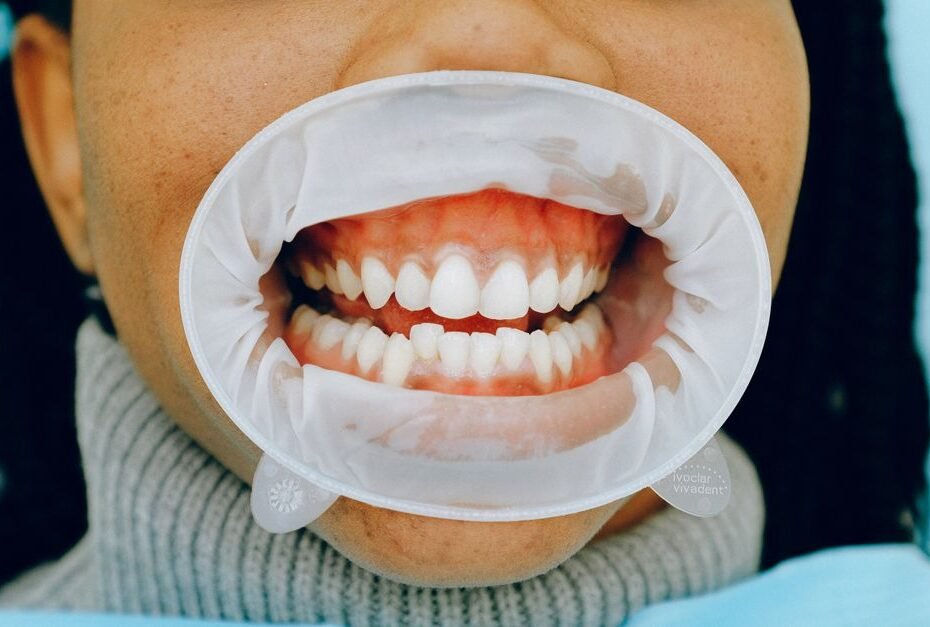



Neglecting oral health is expensive in more ways than money. Small problems such as early decay or mild gum inflammation are cheap, quick and often painless to treat, but left alone they progress into conditions that need root canal treatment, gum therapy, extractions or replacement teeth. The cost then multiplies: more appointments, more discomfort, more time away from work or study, and a knock-on effect on general health, confidence and nutrition. The most reliable way to keep dental care affordable and simple is to catch problems while they are still minor, through daily hygiene and regular check-ups.
Key takeaways
- Dental problems rarely stay the same size; they grow, and so does the treatment needed.
- Early decay may need only a small filling, while delayed decay can require root canal treatment or extraction.
- Untreated gum disease is a leading cause of adult tooth loss and is largely preventable.
- Poor oral health is linked to problems with eating, sleep, speech and self-confidence.
- Routine prevention costs far less over a lifetime than repeated complex treatment.
How does a small dental problem become a large one?
Tooth decay begins as a microscopic softening of the enamel that can often be halted or reversed with fluoride and better cleaning. If the surface breaks, bacteria move into the softer dentine underneath and the cavity spreads sideways and downwards, frequently without pain at first. By the time it reaches the nerve, the tooth may need root canal treatment and a crown rather than a simple filling.
Gum disease follows a similar path. It starts as gingivitis, where the gums are red and bleed easily but no lasting damage has occurred. Without treatment it can progress to periodontitis, where the bone supporting the teeth is gradually lost. That bone does not regrow, so the damage is permanent. In both cases the window for easy, low-cost treatment is early and often silent, which is exactly why check-ups matter.
What are the financial costs of delayed dental care?
The general pattern is that each stage of delay roughly doubles the complexity of treatment. A preventive visit and a small filling are among the least costly things a dentist does. Root canal treatment plus a crown involves several appointments and laboratory work. An extraction is cheaper in the short term but creates a gap that, if replaced, leads to a bridge, denture or implant, each with its own price and upkeep.
There are indirect costs too. Emergency appointments for pain often fall outside routine budgeting and may involve time off work. Replacing missing teeth is an ongoing commitment, as restorations are maintained and occasionally remade over the years. Viewed across a lifetime, the person who invests small amounts regularly in prevention almost always spends less than the person who waits for problems to force their hand.
How does poor oral health affect the rest of the body?
The mouth is not separate from general health. Long-standing gum disease produces chronic inflammation, and research has repeatedly found associations between untreated periodontitis and conditions such as heart disease, poorly controlled diabetes and complications in pregnancy. The exact mechanisms are still being studied, but the overlap is consistent enough that dentists treat gum health as part of whole-body health.
There are more immediate effects as well. Painful or missing teeth change what a person can comfortably eat, often pushing the diet towards soft, processed foods and away from fresh fruit, vegetables and protein. Ongoing infection can disturb sleep and drain energy. Addressing oral health is therefore not only about saving teeth; it supports the body’s wider resilience.
What does tooth loss actually cost a person day to day?
Losing a tooth is not just a gap. Neighbouring teeth gradually tilt into the space and the opposing tooth can drift, which changes the bite and makes cleaning harder. Chewing efficiency drops, particularly if back teeth are lost, and some people unconsciously favour one side, leading to uneven wear and jaw strain over time.
Front tooth loss carries a social cost that is harder to measure. Many people become self-conscious about smiling, speaking or being photographed, and this can affect confidence at work and in relationships. Speech can be altered too, especially sounds that rely on the tongue meeting the teeth. Replacing teeth restores much of this function, but prevention avoids the disruption altogether.
Why is gum disease such a costly condition to ignore?
Gum disease is common, often painless, and slow, which is a dangerous combination. Many people first notice it when a tooth becomes loose, by which point significant bone has already been lost. Treatment at that stage involves deep cleaning, sometimes gum surgery, and a long-term maintenance programme with more frequent visits. Even then, the goal is to stabilise the condition rather than fully reverse it.
Caught at the gingivitis stage, the same condition often resolves with a professional clean and improved home care over a few weeks, at minimal cost. The difference between these two outcomes usually comes down to whether someone attended regular check-ups during the silent years. This is the clearest example of how small, consistent attention prevents large, expensive intervention.
How does neglect affect children and teenagers specifically?
Untreated decay in baby teeth can cause pain, infection and difficulty eating and sleeping, and severe cases sometimes need treatment under general anaesthetic. Decay in baby teeth also raises the risk of decay in the adult teeth that follow. Early dental visits allow protective measures such as fluoride application and fissure sealants, which are simple and inexpensive.
For teenagers, the common costs of neglect are enamel erosion from frequent acidic drinks, decay linked to snacking, and gum inflammation around braces that are not cleaned well. Habits set in these years tend to last. A teenager who learns a solid routine and attends regular check-ups is likely to need far less dental work as an adult than one who drifts away from care.
What is the cheapest way to protect your teeth long term?
Prevention is inexpensive and mostly done at home. Brushing twice a day for two minutes with fluoride toothpaste, cleaning between the teeth daily, keeping sugary and acidic food and drink to mealtimes, and not smoking together prevent the large majority of dental disease. None of this requires special equipment, and the total yearly cost of a toothbrush, toothpaste and floss is small.
The other half of prevention is professional. Regular check-ups let a dentist find and treat problems while they are tiny, and a scale and polish removes hardened deposits that brushing cannot. Setting a recurring reminder for the whole household, and treating the check-up as non-negotiable, is the single most cost-effective dental decision most people can make.
How does neglect make future dental visits harder?
Avoiding the dentist for long periods tends to feed on itself. Problems that could have been handled in one short appointment accumulate, so the eventual visit involves a longer examination, more X-rays and a treatment plan with several stages. Facing a long list of work is discouraging, which makes some people delay again, and the cycle continues while conditions worsen.
There can also be more anxiety attached to complex treatment than to a simple check-up, particularly if a previous long gap ended in pain or an extraction. Returning to regular short visits breaks the pattern. Once the backlog is cleared, most people find that maintenance appointments are quick, predictable and far easier to attend, both practically and emotionally.
What is the value of prevention over a lifetime?
Prevention compounds. A person who keeps their natural teeth healthy into later life avoids not just fillings but the larger costs of crowns, bridges, dentures and implants, along with the maintenance those replacements need. They also keep full chewing function, which supports a varied diet and general health as they age.
The habits that achieve this are inexpensive and take only a few minutes a day, supported by regular check-ups. Compared with the cumulative cost of repeated complex treatment, the lifetime investment in prevention is small. For most people it is the clearest example of spending a little now to avoid spending a great deal later.
Frequently Asked Questions
If a tooth does not hurt, can I safely delay treatment?
Not usually. Tooth decay and gum disease are often painless until they are advanced, so the absence of pain is not proof that all is well. A cavity that could be fixed with a small filling now may need root canal treatment or extraction if it is left until it becomes painful.
Is it cheaper to just have a bad tooth removed?
Extraction can seem cheaper immediately, but the gap it leaves has its own consequences. Nearby teeth shift, chewing changes, and replacing the tooth with a bridge, denture or implant adds cost and maintenance. Saving a tooth is often the better long-term value when it is still possible.
How often should I have a dental check-up to avoid problems?
Most people are advised to attend every six to twelve months, with the exact interval set by the dentist according to individual risk. People with a history of decay or gum disease are usually seen more often. Regular visits are what allow small problems to be caught early.
Can neglected gum disease really lead to losing teeth?
Yes. Advanced gum disease destroys the bone that holds teeth in place, and that bone does not grow back. It is one of the most common reasons adults lose teeth, and it is largely preventable with daily cleaning and regular professional care.
Does poor oral health affect general health?
Research has found consistent links between long-standing gum disease and conditions such as heart disease and poorly controlled diabetes, and untreated dental pain affects diet, sleep and energy. Looking after the mouth is part of looking after overall health, not a separate concern.