


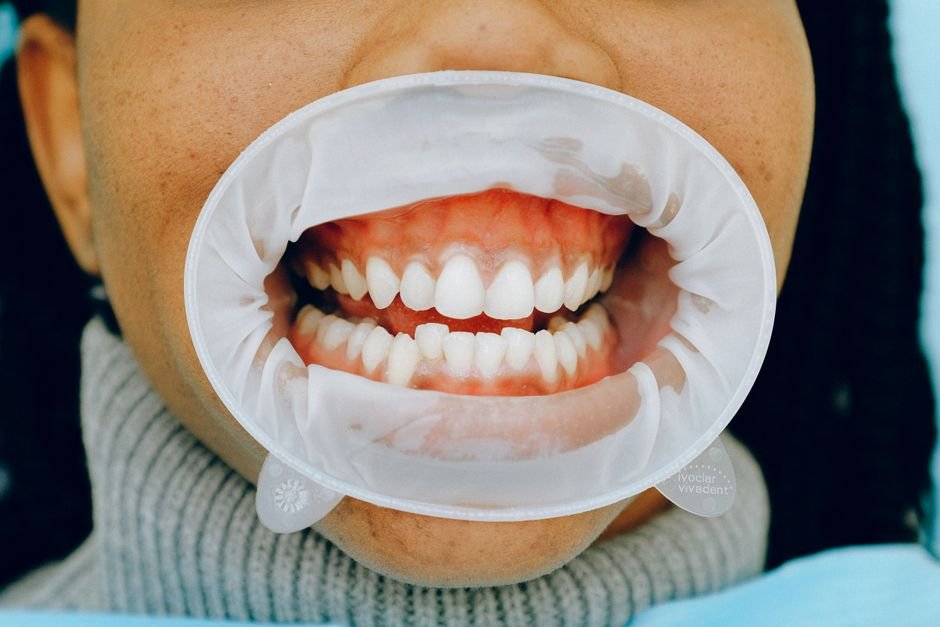
Gums usually bleed when you floss because they are inflamed, and the most common cause of that inflammation is plaque that has been sitting along and between the teeth for too long. This early stage of gum disease, called gingivitis, makes the gum tissue swollen and fragile, so even gentle contact with floss can cause it to bleed. The encouraging news is that gingivitis is reversible: with consistent, careful cleaning, most people find the bleeding settles within a couple of weeks. Bleeding that continues beyond that, or appears alongside other symptoms, is a sign to have your gums checked by a dentist.
Key takeaways
- Bleeding when flossing is most often a sign of gingivitis, an early and reversible form of gum disease caused by plaque build-up.
- Stopping flossing because of bleeding usually makes the problem worse, not better.
- Gentle, daily flossing typically reduces bleeding within one to two weeks as the gums heal.
- Technique matters: snapping floss into the gums or sawing back and forth can cause bleeding on its own.
- Persistent bleeding, gum recession, loose teeth or bad breath should be assessed by a dental professional.
What is actually happening when your gums bleed?
Healthy gum tissue is firm, pale pink and fits snugly around each tooth. When plaque, the soft and sticky film of bacteria that forms on teeth throughout the day, is left along the gumline, the body responds by sending extra blood to the area to fight the bacteria. This is a normal immune reaction, but it leaves the gums swollen, tender and full of tiny, fragile blood vessels sitting close to the surface.
When floss slides between the teeth and touches this inflamed tissue, those delicate vessels break easily and the gums bleed. In other words, the floss is not damaging healthy gums; it is revealing inflammation that was already there. Many people notice that the bleeding is concentrated in particular spots, often between the back teeth or in areas that are harder to reach. Those are usually the places where plaque has been collecting most consistently, and they are exactly the areas that benefit most from regular, gentle cleaning.
Is bleeding a sign of gum disease?
In most cases, yes. Bleeding gums are one of the earliest and most reliable signs of gingivitis, the first stage of gum disease. At this point, the inflammation affects only the gum tissue itself and has not yet damaged the bone or the fibres that hold the teeth in place. Other signs of gingivitis can include redness, puffiness, a slightly shiny appearance to the gums and tenderness when brushing. Some people also notice bad breath or a lingering unpleasant taste in the mouth.
If gingivitis is left untreated, it can progress to periodontitis, a more advanced form of gum disease in which the supporting bone and tissue begin to break down. Pockets can form between the gums and teeth, the gums may recede, and teeth can eventually become loose. This progression usually happens slowly and often without pain, which is why bleeding should never be dismissed as normal. It is the body’s early warning signal, and responding to it promptly is the simplest way to protect your teeth for the long term.
Why do gums bleed more when you first start flossing?
It is very common for people who have just started flossing, or who are returning to it after a break, to see more bleeding at first. If plaque has been undisturbed between the teeth for weeks or months, the gum tissue in those spaces is likely to be quite inflamed. The first few sessions of flossing disturb that plaque and come into contact with sensitive tissue, so bleeding is expected and is not a reason to stop.
As you continue flossing every day, the plaque is removed before it has time to build up, and the inflammation gradually calms down. Most people notice the bleeding becoming lighter after a few days and stopping altogether within one to two weeks. This improvement is a clear sign that the gums are healing. Unfortunately, many people interpret the initial bleeding as evidence that flossing is harmful and give up, which allows the plaque to return and the cycle of inflammation to continue. Persistence through the first fortnight makes a real difference.
Could your flossing technique be the problem?
Sometimes the way floss is used contributes to bleeding, even when the gums are reasonably healthy. Snapping floss down forcefully between tight teeth can strike the gum and cause a small cut. Sawing the floss back and forth horizontally against the gumline can also irritate the tissue. These habits are common, particularly when people are in a hurry, and they can leave the gums sore as well as bleeding.
A gentler approach works better. Ease the floss between the teeth with a slow, controlled side-to-side motion until it passes the contact point. Then curve the floss into a C shape around one tooth and slide it gently beneath the gumline, moving it up and down a few times before repeating on the neighbouring tooth. Use a fresh section of floss for each space so that you are not simply moving plaque around. If you find traditional floss difficult to control, interdental brushes or water flossers can be easier to manage and may be kinder to tender gums.
What other factors can make gums bleed more easily?
Although plaque is the main culprit, several other factors can make gums more prone to bleeding. Hormonal changes during pregnancy, puberty and menopause can increase blood flow to the gums and make them react more strongly to plaque. Some medicines, including those that thin the blood, can make bleeding more noticeable. Certain health conditions, such as diabetes, are also linked to a higher risk of gum inflammation and slower healing.
Lifestyle plays a part too. Smoking reduces blood flow to the gums and can actually mask bleeding, so smokers may have gum disease without seeing the usual warning signs. A diet lacking in vitamin C can weaken gum tissue, and high stress levels may affect the body’s ability to manage inflammation. Brushing too hard with a firm-bristled toothbrush can also irritate the gums. If you have any of these factors, it is worth mentioning them to your dentist, who can tailor advice and monitor your gums more closely.
Should you stop flossing if your gums bleed?
No. Stopping flossing is one of the most common responses to bleeding gums, and it is usually counterproductive. Bleeding is caused by inflammation, and inflammation is caused by plaque. If you stop cleaning between your teeth, the plaque remains, the gums stay inflamed and the bleeding continues or worsens over time. Toothbrushes alone cannot reach the tight spaces between teeth, which is exactly where gum disease often begins.
The better approach is to keep flossing gently every day and to watch for improvement. A small amount of bleeding during the first week or two is part of the healing process. If you are worried about discomfort, choose a softer floss, waxed tape or an interdental brush sized to fit your spaces, and take your time. Combining this with careful brushing twice a day using a fluoride toothpaste gives the gums the best possible chance to recover. If bleeding has not improved after two weeks of consistent cleaning, that is the point to seek professional advice.
How can you stop your gums from bleeding?
The most effective way to stop bleeding gums is to remove plaque thoroughly and consistently. Brush twice a day for about two minutes using a soft-bristled toothbrush, angling the bristles towards the gumline so they clean the area where gum meets tooth. Clean between your teeth once a day with floss, tape, interdental brushes or a water flosser. An electric toothbrush can help some people clean more effectively, particularly if they tend to rush or press too hard.
Regular professional cleanings are also important, because plaque that is not removed can harden into tartar, also called calculus. Tartar cannot be removed with a toothbrush or floss and provides a rough surface where more plaque collects. A dental hygienist can remove it safely and show you which areas you are missing. Eating a balanced diet with plenty of fruit and vegetables, limiting sugary snacks, staying hydrated and avoiding tobacco all support healthier gums. Small, steady habits make a far bigger difference than occasional intensive efforts.
When should you see a dentist about bleeding gums?
You should book a dental appointment if your gums continue to bleed after two weeks of gentle, daily cleaning. Other signs that warrant prompt attention include gums that are pulling away from the teeth, teeth that feel loose or appear to be shifting, persistent bad breath, pus between the teeth and gums, or pain when chewing. These can indicate that gum disease has progressed beyond gingivitis and needs professional treatment.
Bleeding that happens spontaneously, without brushing or flossing, or bleeding that is accompanied by unexplained bruising elsewhere on the body, should also be checked, as it can occasionally point to a wider health issue. At the appointment, your dentist or hygienist will examine your gums, measure the depth of the spaces around your teeth and may take X-rays to check the bone. Depending on the findings, treatment may range from a thorough professional clean and tailored home-care advice to deeper cleaning beneath the gumline.
Frequently Asked Questions
Is it normal for gums to bleed when flossing?
Bleeding when flossing is common, but it is not a sign of healthy gums. It usually indicates gingivitis, an early form of gum disease caused by plaque build-up. With gentle, daily flossing and good brushing, the bleeding normally reduces within one to two weeks as the gums heal.
How long does it take for gums to stop bleeding after starting to floss?
Most people see a noticeable reduction in bleeding within a few days of flossing every day, and the bleeding often stops completely within one to two weeks. If gums are still bleeding after two weeks of consistent, gentle cleaning, it is sensible to have them checked by a dentist or hygienist.
Can flossing too hard make your gums bleed?
Yes. Snapping floss forcefully between the teeth or sawing it against the gumline can cut or irritate gum tissue and cause bleeding. Gliding the floss gently between the teeth, curving it around each tooth in a C shape and moving it slowly up and down is a safer and more effective technique.
Are water flossers or interdental brushes better for bleeding gums?
Water flossers and interdental brushes can both be effective alternatives to traditional floss, and some people find them gentler and easier to use. The best option is the one you will use properly every day. A dental hygienist can recommend the right tool and brush size for the spaces between your teeth.
When are bleeding gums a sign of something more serious?
Bleeding gums may signal more advanced gum disease if they are accompanied by receding gums, loose or shifting teeth, persistent bad breath, pus or pain when chewing. Bleeding that occurs without any brushing or flossing, or alongside unexplained bruising elsewhere, should also be assessed by a dental or medical professional.