

Virtual reality headsets are increasingly used in dental practices to help nervous patients relax by immersing them in calming visual and audio environments during treatment, effectively giving the brain something soothing to focus on instead of the sounds and sensations of dental work. For people who feel anxious about visiting the dentist, this technology offers a distraction-based approach that works alongside, rather than instead of, traditional comfort measures like clear communication and gentle technique.
Key takeaways
- Virtual reality works mainly by distracting the brain’s attention away from anxiety-triggering sights and sounds.
- It is typically used alongside, not instead of, communication-based anxiety management techniques.
- Headsets can lower perceived pain and stress during common procedures such as cleanings and fillings.
- The technology is non-invasive and generally suitable for a wide range of patients, including many children.
- It does not replace sedation for patients with severe dental phobia or complex procedures.
Why do so many people feel anxious about visiting the dentist?
Dental anxiety is remarkably common and can stem from a range of sources, including a difficult past experience, sensitivity to noise and vibration, a general dislike of feeling out of control while lying in a chair, or simply the anticipation of discomfort. For some people, anxiety is mild and manageable, while for others it can be intense enough to delay or avoid appointments altogether, which unfortunately tends to allow small issues to develop into larger ones over time.
Understanding the root of this anxiety matters because it shapes how a dental team responds. Someone who is anxious about noise may benefit from noise-cancelling headphones, while someone anxious about control may need more frequent check-ins during treatment. Virtual reality fits into this picture as one tool among several, offering a way to redirect attention that works particularly well for patients whose anxiety is driven by anticipation and sensory overload rather than a specific medical concern.
How does virtual reality actually reduce anxiety in the dental chair?
Virtual reality works primarily through a psychological mechanism known as attentional distraction. Human attention is limited, and when the brain is absorbed in an immersive visual and auditory environment, such as a calming nature scene or an interactive game, it has fewer resources left to process anxiety-inducing stimuli like the sound of a drill or the sensation of instruments in the mouth. This shift in focus can measurably reduce the perception of both anxiety and pain during treatment.
Beyond distraction, immersive environments can also help regulate breathing and heart rate by encouraging a calmer mental state, similar to the effect of guided relaxation or meditation apps. Some VR programs are specifically designed with slow-paced visuals and gentle soundscapes intended to lower physiological arousal rather than simply entertain. The combined effect of distraction and relaxation is why many patients report a noticeably different experience compared with a traditional appointment.
What does a virtual reality dental appointment actually look like?
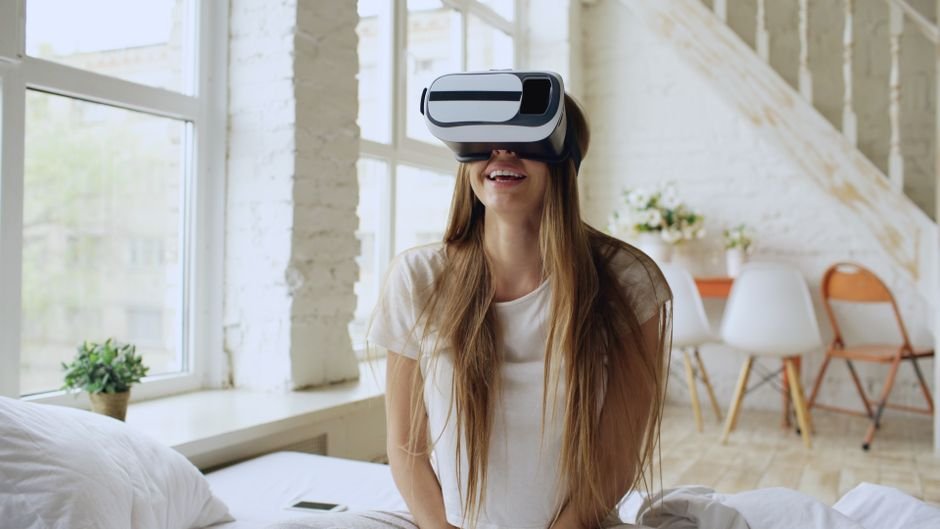
In practice, a patient is fitted with a lightweight VR headset before treatment begins, often paired with headphones to block out the ambient sounds of the practice. The headset displays a chosen environment, which might range from a tranquil beach or forest scene to an interactive game, and the patient can usually adjust volume or switch scenes with simple controls. The dental team retains full access to the mouth throughout, so the headset never interferes with the actual procedure.
Clinicians continue to monitor the patient closely during treatment, checking in periodically and pausing if needed, exactly as they would in a standard appointment. The headset is simply layered on top of normal dental care rather than replacing any part of it. Most patients find the setup takes only a minute or two, and many describe the sensation as similar to watching a short, absorbing film while treatment happens around them.
Which dental procedures are best suited to virtual reality distraction?
Virtual reality tends to be most useful for procedures that are routine but still trigger anxiety, such as cleanings, fillings, minor extractions and some hygiene treatments. These procedures typically involve predictable sounds and sensations that respond well to a sustained distraction technique, and the patient generally does not need to speak much during treatment, making an immersive headset practical to wear throughout.
For longer or more complex procedures, VR is often combined with other comfort measures, since sitting through an extended appointment purely on distraction alone may be less effective as time goes on. Some practices also use VR during simpler diagnostic steps, such as x-rays or examinations, purely to help anxious patients settle before more involved treatment begins. The flexibility of the technology means it can be introduced gradually, starting with shorter appointments to help a nervous patient build confidence.
Is virtual reality suitable for children who are afraid of the dentist?
Many children respond particularly well to virtual reality because immersive, game-like environments align naturally with how children already engage with screens and imaginative play. A headset showing a colourful adventure or interactive scene can help a child sit still and remain calm during a cleaning or filling, reducing the need for a parent or dental assistant to constantly reassure or distract them verbally.
That said, headset fit and comfort matter for younger patients, and some children may find a full headset overwhelming or physically uncomfortable, particularly if they are already feeling anxious. Dental teams working with children typically introduce the headset gradually, letting the child see and try it beforehand in a relaxed setting away from the treatment chair. This gentle introduction helps ensure the technology adds to the child’s comfort rather than becoming another unfamiliar and stressful element of the visit.
Does virtual reality actually reduce pain, or only the perception of anxiety?
Research into distraction-based techniques generally shows that immersive methods like virtual reality can reduce both the perceived intensity of pain and the anxiety associated with anticipating it. This happens because pain perception is not purely physical; it is heavily influenced by attention, emotional state and expectation, all of which virtual reality can influence by shifting focus away from the procedure itself and toward the immersive environment.
It is worth being clear that virtual reality does not numb tissue or alter the physical mechanisms of pain the way a local anaesthetic does. Instead, it changes how the brain processes and responds to sensory signals, which can make a genuinely uncomfortable procedure feel more tolerable. For this reason, VR is generally viewed as a complementary comfort tool rather than a substitute for appropriate pain management techniques already used in dental care.
How does virtual reality compare with sedation or numbing options?
Virtual reality and sedation address dental anxiety in fundamentally different ways. Sedation options, ranging from mild relaxants to deeper forms of sedation, work pharmacologically to reduce the body’s physical stress response and, in some cases, awareness of the procedure altogether. Virtual reality, by contrast, is entirely psychological and non-invasive, working through distraction and relaxation rather than any medication.
Because of this difference, virtual reality is generally best suited to patients with mild to moderate anxiety who are otherwise comfortable proceeding with treatment while awake. Patients with severe dental phobia, a strong gag reflex, or those undergoing lengthy or invasive procedures may still need sedation or numbing agents, with virtual reality potentially used alongside these methods to further improve comfort. A dentist can help determine which combination of approaches suits an individual’s needs.
Are there any downsides or limitations to using virtual reality at the dentist?
While virtual reality offers real benefits for many patients, it is not a universal solution. A small number of people experience motion sickness or mild disorientation when wearing a headset, particularly with visually busy or fast-moving content, so practices often offer a choice of calmer scenes to avoid this. Headsets also need to be cleaned thoroughly between patients, and not every practice has invested in the equipment, so availability can vary.
Virtual reality also requires a patient to be reasonably still and able to tolerate wearing a headset for the duration of treatment, which may not suit everyone, including patients with certain sensory sensitivities. As with any tool, its effectiveness depends on matching it to the right patient and procedure. Most practices that offer VR treat it as one option within a broader toolkit of comfort measures, rather than a blanket replacement for personalised anxiety management.
What does the future of dental anxiety treatment look like?
Interest in virtual reality and related immersive technologies within dentistry continues to grow, driven by increasingly lightweight headsets, more sophisticated relaxation content and a broader cultural acceptance of VR as an everyday tool rather than a novelty. Some practices are also exploring biofeedback features, where a headset environment responds in real time to a patient’s heart rate or breathing, gently adjusting the experience to help maintain a calm state throughout treatment.
As these tools become more affordable and easier to integrate into everyday practice, they are likely to become a standard offering alongside more established comfort measures, rather than a rare or specialist option. Ultimately, the goal remains the same as it has always been in anxiety management: helping patients feel safe, informed and in control during their care, with virtual reality serving as one more way to make that possible for people who would otherwise put off necessary treatment.
Frequently Asked Questions
Does virtual reality actually work for dental anxiety, or is it just a gimmick?
Virtual reality has a genuine, measurable effect on anxiety and pain perception by redirecting attention away from anxiety-inducing sights and sounds. It works best for patients with mild to moderate anxiety undergoing routine procedures, and it is generally used as a complementary comfort tool rather than a stand-alone treatment.
Will wearing a VR headset stop the dentist from doing their job properly?
No, the headset only covers the eyes and ears, leaving the mouth fully accessible for treatment. The dental team can see and work exactly as they would without a headset, and they continue to monitor the patient closely throughout the procedure.
Is virtual reality safe for children during dental treatment?
Yes, virtual reality is generally considered safe for children when the headset fits comfortably and the content is age-appropriate and calming. Many dental teams introduce the headset gradually before treatment so a child can become familiar with it in a relaxed setting first.
Can virtual reality replace the need for local anaesthetic or sedation?
No, virtual reality changes how the brain perceives sensory input but does not numb tissue or alter the physical mechanisms of pain. It is typically used alongside appropriate anaesthetic or sedation options rather than as a replacement for them, especially for more invasive procedures.
What if I feel dizzy or uncomfortable wearing a VR headset at the dentist?
A small number of people experience mild motion sickness or discomfort with certain VR content, particularly fast-moving scenes. If this happens, the headset can simply be removed, and most practices offer calmer, slower-paced environments as an alternative or fall back on other comfort measures.