

A healthier smile rarely comes from one big change — it comes from small, sustainable swaps repeated daily. Choosing a softer toothbrush, drinking more water, timing your brushing correctly, and rethinking snack choices can noticeably reduce plaque build-up, gum irritation, and enamel wear over time. None of these swaps require special equipment or a big budget; they simply ask you to trade a less helpful habit for a slightly better one and let consistency do the rest.
Key takeaways
- Small, consistent habit changes protect teeth and gums more effectively than occasional intense efforts.
- Swapping a hard-bristled brush for a soft one and adjusting brushing timing can reduce enamel wear.
- Simple diet and hydration swaps limit the fuel that oral bacteria rely on.
- Chewing habits, snacking patterns, and stress levels all influence oral health in ways that are easy to overlook.
- Sustainable swaps are more effective long-term than short bursts of intense dental care.
Why Do Small Daily Habits Matter More Than Occasional Deep Cleans?
Teeth and gums respond to what happens to them every single day, not just to the occasional thorough clean. Plaque, the sticky film of bacteria that forms constantly on tooth surfaces, begins rebuilding within hours of being removed. A brief but consistent daily routine interrupts this cycle repeatedly, while an intense but infrequent effort leaves long gaps during which plaque can harden into tartar and irritate the gums.
This is why small swaps tend to outperform occasional overhauls. Replacing a rushed two-minute brush with a slightly more mindful one, or adding a quick rinse after a sugary drink, compounds over weeks and months. The cumulative effect of many small, repeatable actions is generally far more protective than sporadic bursts of intense effort that are difficult to sustain and easy to abandon.
How Can Swapping Your Toothbrush Type Improve Your Oral Health?
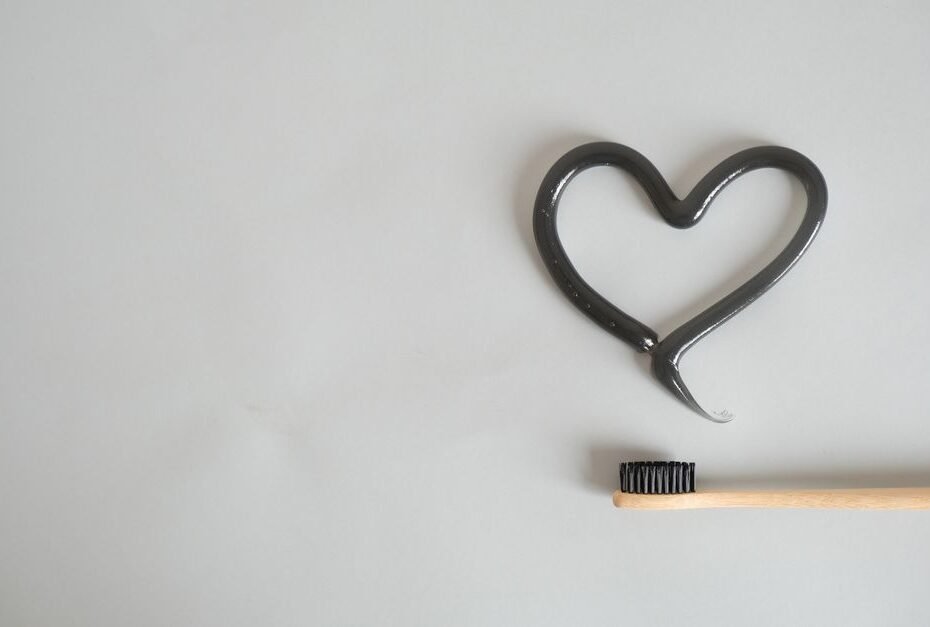
Many people unknowingly use a toothbrush that is too firm for their gums, believing that stiffer bristles clean more effectively. In reality, medium and hard bristles can wear away enamel and irritate the gum line over time, sometimes contributing to sensitivity and gum recession. Switching to a soft-bristled brush, and pairing it with gentle circular motions rather than aggressive scrubbing, removes plaque just as effectively while being far kinder to delicate tissue.
An electric toothbrush is another swap worth considering, particularly for anyone who tends to brush too hard or too quickly. Many electric models include built-in pressure sensors and timers that encourage a gentler, more thorough clean. This small equipment change often does more for long-term oral health than any single technique adjustment, simply because it removes guesswork from the daily routine.
Does the Time of Day You Brush Really Make a Difference?
The timing of brushing matters almost as much as the technique itself. Brushing immediately after consuming something acidic, such as citrus fruit or a fizzy drink, can actually do more harm than good, because acid temporarily softens enamel and brushing straight away can wear it away faster. Waiting around thirty minutes allows saliva to neutralise the acid and re-harden the enamel surface before brushing begins.
A simple swap is to rinse with plain water immediately after an acidic food or drink, then brush later once the mouth environment has settled. Brushing last thing at night is also particularly important, since saliva production slows during sleep, reducing its natural protective and rinsing effect. A thorough clean before bed gives teeth the best chance of staying protected through the night.
What Simple Diet Swaps Protect Your Teeth?
Diet has a constant, cumulative effect on oral health, and small swaps can meaningfully reduce the exposure teeth have to sugar and acid throughout the day. Replacing sugary or fizzy drinks with water, or swapping sticky sweets for options that clear the mouth quickly such as cheese or crunchy vegetables, reduces the amount of time bacteria have to feed on sugar residue and produce enamel-attacking acid.
Frequency matters more than quantity in many cases. Grazing on sugary snacks throughout the day exposes teeth to repeated acid attacks, whereas consuming the same amount of sugar in one sitting gives the mouth a chance to recover afterwards. Choosing to enjoy treats alongside a main meal, rather than as standalone snacks, is a simple swap that significantly lowers the overall acid exposure teeth face each day.
How Does Hydration Affect Your Mouth and Breath?
Saliva plays a central role in protecting teeth, washing away food particles, neutralising acid, and delivering minerals that help re-harden enamel. When the body is even mildly dehydrated, saliva production drops, leaving the mouth drier and less able to defend itself against bacteria. This can contribute to bad breath, a higher risk of decay, and general discomfort, particularly for anyone who breathes through their mouth or uses certain medications.
Swapping sugary or caffeinated drinks for plain water throughout the day supports steady saliva flow and helps rinse away debris between brushes. Keeping a water bottle nearby as a default drink, rather than reaching for something sweetened out of habit, is one of the easiest lifestyle swaps to maintain and one of the most impactful for both oral comfort and overall hydration.
Can Changing How You Chew Gum Benefit Your Teeth?
Chewing gum is often overlooked as a tool for oral health, but the type chosen makes a considerable difference. Sugared gum feeds oral bacteria in much the same way as sweets, while sugar-free gum can actually be beneficial. Chewing sugar-free gum after meals stimulates saliva flow, which helps clear food particles and buffer acid before it has a chance to affect enamel.
This is a particularly useful swap for situations where brushing is not immediately possible, such as after lunch away from home. It should never replace brushing and flossing, but as an in-between habit it offers a genuine, evidence-based benefit. Choosing gum containing xylitol, a sugar substitute that does not feed decay-causing bacteria, adds an extra layer of protection to this simple swap.
Why Should You Rethink Your Snacking Habits?
Modern snacking culture often works against oral health, with constant grazing keeping the mouth in a near-continuous acidic state. Every time sugar or refined carbohydrate is consumed, bacteria in plaque produce acid for around twenty to thirty minutes afterwards. Snacking frequently throughout the day means the mouth rarely gets a break from this acid cycle, even if the total amount of sugar consumed is relatively modest.
Swapping sticky, sugary snacks for options like nuts, plain yoghurt, or firm fruits and vegetables reduces both the acid load and the physical residue left on teeth. These alternatives are also less likely to lodge in the grooves of molars, where trapped food particles are hardest to clean away. Planning snacks in advance, rather than reaching for whatever is convenient, makes this swap far easier to sustain.
How Does Stress Management Support a Healthier Smile?
Stress affects oral health in ways that are easy to overlook, most notably through teeth grinding and jaw clenching, which can wear down enamel and strain the jaw joint over time. Chronic stress can also lead to neglected routines, skipped brushing sessions, or increased reliance on sugary comfort foods, all of which compound the physical effects of grinding and clenching.
Simple stress-reduction swaps, such as short breathing exercises, regular movement, or consciously relaxing the jaw during the day, can reduce clenching episodes and the discomfort that follows. For those who grind their teeth at night, being aware of the link between stress and this habit is a useful first step toward protecting enamel and reducing morning jaw tension.
Is Swapping Your Mouth Rinse Worth the Effort?
Not all mouth rinses serve the same purpose, and choosing the wrong one can undo some of the benefit a rinse is meant to provide. Alcohol-based rinses, for example, can dry out the mouth with regular use, which reduces saliva’s protective effect and may leave the tissue more irritated rather than less. Swapping to an alcohol-free, fluoride-containing rinse gives many of the same fresh-breath benefits while supporting enamel strength instead of working against it.
Timing this swap correctly also matters. Using a fluoride rinse immediately after brushing can wash away the concentrated fluoride left behind by toothpaste, so using it at a separate time of day, such as after lunch, tends to be more effective. This small adjustment to when and what you rinse with is an easy way to get more protective value from a step many people already include in their routine.
Frequently Asked Questions
What is the single most effective lifestyle swap for oral health?
Replacing sugary or acidic drinks with water throughout the day is one of the most effective swaps, since it reduces acid exposure and supports steady saliva flow, which is the mouth’s natural defence system against decay.
Is it better to brush before or after breakfast?
Brushing before breakfast, then rinsing with water afterwards, is generally gentler on enamel than brushing immediately after eating, especially if the meal includes acidic foods like citrus or fruit juice, which temporarily soften the tooth surface.
Does chewing gum really help protect teeth?
Sugar-free gum can help by stimulating saliva flow, which clears food particles and buffers acid after eating. It is a useful addition to a routine but does not replace brushing and flossing.
How does snacking frequency affect teeth compared to snack size?
Frequent snacking keeps the mouth in an acidic state for longer periods overall, even if each snack is small. Eating treats alongside main meals rather than as frequent standalone snacks reduces the total time teeth spend under acid attack.
Can stress really affect the health of my teeth?
Yes. Stress commonly leads to teeth grinding and jaw clenching, which wear down enamel and strain the jaw joint. It can also disrupt daily routines, making consistent brushing and healthy food choices harder to maintain.