

For most people with a solid brushing and flossing routine, mouthwash is not strictly essential, but it is a useful add-on rather than a wasted step. It can reach areas a toothbrush skips, freshen breath for longer, and in some formulations actively strengthen enamel or reduce bacteria that contribute to gum disease. Whether you personally need it depends on your oral health, your risk factors, and what you are hoping it will achieve.
Key takeaways
- Mouthwash is a supplement to brushing and flossing, not a replacement for either.
- Different formulations target different goals: fresh breath, cavity prevention, or gum health.
- Alcohol-based rinses can be drying for some people, and alcohol-free alternatives work just as well for many purposes.
- Certain groups, such as those prone to gum inflammation or dry mouth, tend to benefit more than others.
- Using mouthwash correctly, including timing around brushing, affects how much value you actually get from it.
What does mouthwash actually do?
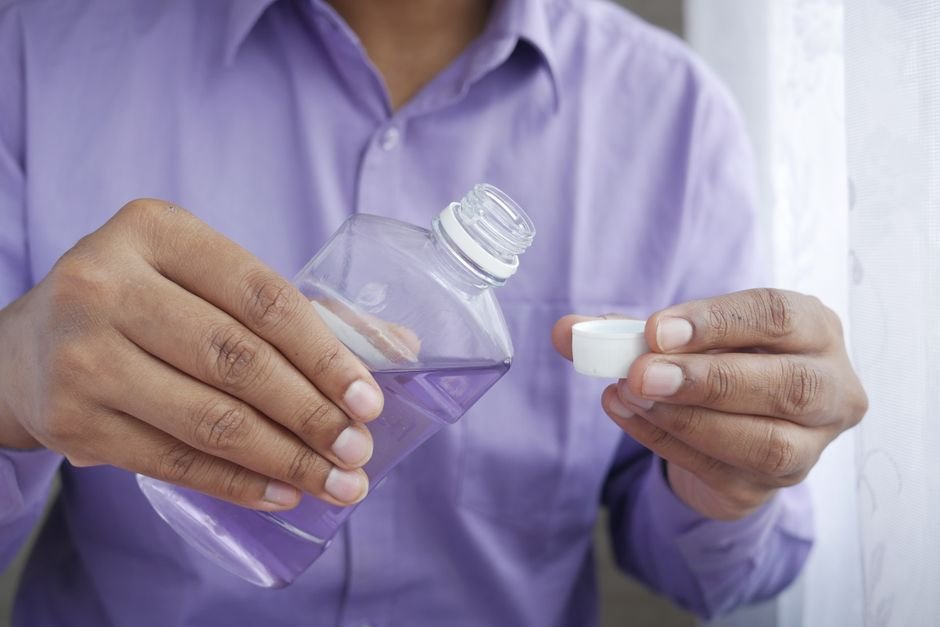
Mouthwash works in several ways depending on its active ingredients. Some rinses contain antibacterial agents that reduce the bacteria responsible for plaque, bad breath, and gum inflammation. Others contain fluoride, which helps remineralise weakened enamel and offers extra protection against decay, particularly in areas that brushing might miss. Cosmetic rinses focus mainly on masking odour with flavouring agents, offering a temporary freshness boost rather than a therapeutic benefit.
Because the category covers such different products, it helps to think of mouthwash less as one thing and more as a family of tools. A rinse marketed for sensitivity behaves very differently from one marketed for whitening or for gum care. Reading the label and matching the product to your actual concern matters far more than simply picking whichever bottle looks appealing on the shelf, since the wrong type may not address the issue you are trying to solve.
Is mouthwash a substitute for brushing and flossing?
No rinse, however advanced, can physically remove plaque and food debris the way a toothbrush and floss can. Mouthwash is a liquid that washes over the surfaces of the mouth, but it cannot scrub away the sticky biofilm that clings to teeth and gumlines. Skipping brushing in favour of a quick rinse leaves that layer largely intact, which over time contributes to decay, staining, and gum problems regardless of how fresh the mouth might smell afterwards.
Instead, mouthwash works best as the final step in a routine that already includes thorough brushing and daily flossing or interdental cleaning. Used this way, it reaches slightly further into areas that bristles cannot fully access and helps distribute active ingredients like fluoride across the whole mouth. Treating it as a supplementary rinse rather than a shortcut is the difference between genuine benefit and a false sense of security about oral hygiene.
What are the different types of mouthwash available?
Cosmetic mouthwashes are designed purely to freshen breath and leave a pleasant taste, without any therapeutic claim. Therapeutic mouthwashes, by contrast, are formulated to address a specific issue, such as fluoride rinses for cavity prevention, antibacterial rinses for gum health, or desensitising rinses for tooth sensitivity. Some products combine several of these functions into a single bottle, offering both fresher breath and an active ingredient aimed at a particular oral health concern.
There are also rinses designed for specific situations, such as alcohol-free formulas for people with a dry mouth, or milder versions intended for younger users. Choosing between them usually comes down to matching the product to a genuine need rather than following general habit. Someone with healthy gums and no sensitivity may only want a simple cosmetic rinse, while someone managing gum inflammation might benefit far more from a targeted antibacterial formula recommended by a dental professional.
Who benefits most from using mouthwash regularly?
Certain groups tend to see more noticeable benefits from a daily mouthwash habit. People who are prone to gum inflammation often find that an antibacterial rinse helps keep bacterial levels lower between cleanings, supporting healthier gum tissue over time. Those with a higher risk of decay, whether due to diet, medication, or other factors, can gain extra protection from a fluoride rinse used alongside regular brushing.
People who wear braces or other fixed dental appliances may also benefit, since these devices create extra nooks where food and bacteria can accumulate. A rinse can help reach some of those hidden spaces, complementing the more thorough cleaning that orthodontic care requires. On the other hand, someone with straightforward, healthy teeth and gums who already maintains excellent brushing and flossing habits may notice little practical difference, beyond fresher breath, from adding a rinse to their routine.
Can mouthwash cause any side effects?
Most people tolerate mouthwash without any issues, but it is not entirely without downsides for everyone. Alcohol-based rinses can cause a stinging sensation and may dry out the soft tissues of the mouth with frequent use, which is uncomfortable for people who already experience dryness. Overuse of strong antibacterial rinses over long periods has also been associated with temporary staining of the teeth or a disrupted sense of taste in some users.
These effects are generally mild and reversible once use is reduced or stopped, but they are worth being aware of before adopting a rinse as a permanent daily habit. Choosing an alcohol-free formula can reduce the drying effect while still providing similar antibacterial or fluoride benefits. As with most oral care products, following the directions on the label, rather than using a rinse more often or in larger amounts than recommended, keeps the risk of side effects low.
Should children use mouthwash?
Mouthwash is generally more relevant for adults and older children who can reliably swish and spit rather than swallow. Young children who have not yet mastered this skill risk swallowing the rinse, which is not ideal given the concentration of active ingredients like fluoride in many formulas. For this reason, most mouthwash products are labelled with a minimum recommended age, and it is worth checking this before introducing one into a child’s routine.
Once a child is old enough to use mouthwash safely, a mild, alcohol-free formula is usually the most sensible starting point. The goal at this stage is reinforcing good habits rather than solving a specific problem, so a gentle rinse that encourages consistency tends to work better than a strong therapeutic product. As always, supervision during early use helps ensure the child is swishing and spitting correctly rather than swallowing the product.
How do you choose the right mouthwash for your needs?
The starting point for choosing a mouthwash is identifying what you actually want it to do. If your main concern is fresh breath, a simple cosmetic rinse will likely suffice. If you are managing sensitive teeth, gum inflammation, or a higher risk of decay, a therapeutic formula targeted at that specific issue will deliver more meaningful results than a general-purpose product chosen at random.
It also helps to consider any personal sensitivities, such as a preference for alcohol-free formulas or a need to avoid certain flavouring agents that can irritate sensitive mouths. Reading the active ingredients list, rather than relying solely on marketing claims on the front of the bottle, gives a clearer picture of what a product will actually do. When in doubt, asking a dental professional for a recommendation tailored to your specific oral health situation is the most reliable approach.
When is the best time to use mouthwash?
Timing can influence how much benefit you get from a rinse, particularly with fluoride-based products. Using a fluoride mouthwash immediately after brushing with a fluoride toothpaste can actually rinse away some of the concentrated fluoride left on the teeth from the toothpaste, slightly reducing its effectiveness. For this reason, many dental professionals suggest using mouthwash at a separate time from brushing, such as after lunch, rather than straight afterwards.
For antibacterial or cosmetic rinses, timing tends to matter less, and they can be used whenever convenient, including after brushing if that fits more easily into a daily routine. What matters most is consistency: using a rinse sporadically or only when breath freshness is an immediate concern provides far less benefit than incorporating it as a regular, predictable part of an oral hygiene routine that also includes thorough brushing and flossing.
Frequently Asked Questions
Does mouthwash whiten teeth?
Some mouthwashes are marketed as whitening formulas and can help remove surface staining over time, but their effect is generally mild compared with dedicated whitening treatments. They work best at maintaining a bright smile alongside good brushing habits rather than reversing significant discolouration on their own.
Can mouthwash replace flossing?
No. Mouthwash is a liquid rinse and cannot physically dislodge food particles or plaque trapped between teeth the way floss or an interdental brush can. It is best used alongside flossing, not instead of it, as part of a complete daily oral hygiene routine.
Is alcohol-based mouthwash bad for you?
Alcohol-based mouthwash is generally safe for most adults when used as directed, though it can cause a drying or stinging sensation for people with an already dry mouth or sensitive tissues. Alcohol-free alternatives offer similar antibacterial or fluoride benefits without this drying effect.
How long should you swish mouthwash for it to work?
Most mouthwash labels recommend swishing for around thirty seconds to a minute to give the active ingredients enough contact time with the teeth and gums. Swishing for only a few seconds reduces the effectiveness, while swallowing the rinse should always be avoided.
Can you use mouthwash right after brushing?
You can, though rinsing immediately with water or mouthwash straight after brushing can wash away some of the concentrated fluoride left behind by toothpaste. Using mouthwash at a separate point in the day, such as after a meal, often makes better use of its benefits.