
Travel disrupts dental habits mainly through broken routines, altered diets, and the practical hassle of packing oral care items, all of which combine to make consistent brushing and flossing harder to maintain than at home. Time zone changes, unfamiliar schedules, and constant snacking on the go quietly chip away at the small daily habits that keep teeth and gums healthy. The good news is that a few simple adjustments can keep oral health steady no matter how much a trip shakes up everything else.
Key takeaways
- Time zone shifts and irregular schedules are the biggest disruptors of consistent brushing routines.
- Travel snacking habits often increase sugar and acid exposure without people realising it.
- Packing oral care items intentionally prevents the “I’ll do it when I get home” mindset.
- Dehydration during travel reduces saliva flow, which raises cavity and bad breath risk.
- A simple travel oral care kit removes most of the friction that causes habits to slip.
Why Do Time Zones Throw Off Brushing Routines?
Most people brush on autopilot, tied to specific cues like waking up or getting into bed, and travel disrupts exactly those cues by shifting sleep schedules and daily rhythms. Crossing time zones can mean going to bed at what feels like the wrong hour or skipping a morning routine entirely because of an early flight, both of which break the automatic trigger that normally prompts brushing. Without that familiar anchor, it becomes surprisingly easy to simply forget.
The fix isn’t complicated: rather than relying on the clock, tying brushing to a fixed sequence of actions, such as always brushing right after the last meal of the day and right after breakfast, keeps the habit intact regardless of what time it technically is locally. This kind of routine-based cue travels much better than a time-based one, since it stays consistent even when the schedule around it is completely different from home.
How Does Travel Snacking Affect Oral Health?
Travel days are full of grazing, airport snacks, road trip treats, and constant small bites, which is a very different pattern from the more structured mealtimes most people follow at home. This kind of frequent snacking keeps the mouth in a near-constant acidic state, since each bite triggers a fresh acid attack from bacteria that doesn’t fully subside before the next snack arrives. Over the course of a multi-day trip, this steady low-level acid exposure adds up more than people expect.
Choosing snacks that are lower in sugar, such as nuts, cheese, or plain crackers, and drinking water alongside sugary or acidic snacks can meaningfully reduce the impact. It’s not necessary to avoid travel treats altogether, but being mindful of how often snacking happens, rather than just what’s being eaten, makes a real difference to how much stress the teeth are under by the end of a trip.
Why Does Dehydration During Travel Increase Dental Risk?
Long flights, dry cabin air, and simply being distracted by a new environment all make it easy to drink far less water while travelling than at home. Reduced hydration lowers saliva production, and saliva plays a major role in washing away bacteria and neutralising the acids produced after eating, so a drop in saliva flow directly increases both cavity risk and the likelihood of bad breath during a trip.
Carrying a refillable water bottle and making a conscious effort to sip throughout travel days, rather than waiting until thirst becomes obvious, helps maintain more normal saliva levels. This is a small habit shift, but it has a genuinely outsized effect on how the mouth feels and functions by the end of a long day of travel, particularly on flights where the air is especially dry.
What’s the Best Way to Pack for Consistent Oral Care?
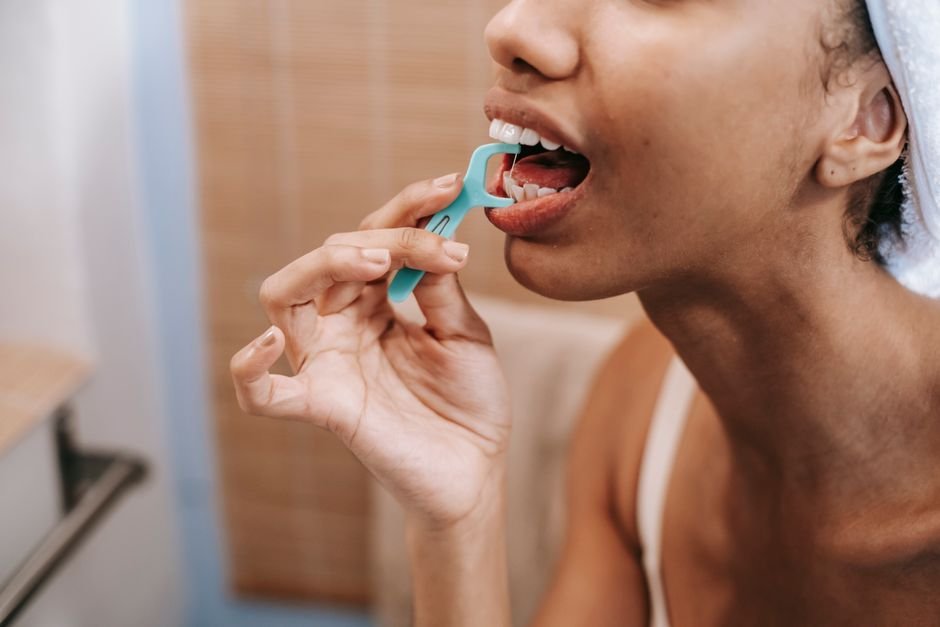
One of the most common reasons oral care habits slip during travel is simple logistics: the toothbrush is packed at the bottom of a suitcase, floss was forgotten entirely, or travel-sized toothpaste ran out halfway through the trip. Packing a small, dedicated travel oral care kit ahead of time, kept separate from other toiletries, removes this friction and makes it just as easy to brush and floss on the road as it is at home.
A simple kit with a travel toothbrush, small toothpaste tube, floss picks, and perhaps a small bottle of mouthwash can live in a carry-on or overnight bag permanently, ready for any trip without needing to be reassembled each time. This kind of preparation removes the excuse of inconvenience, which is often the real reason habits break down rather than any lack of intention.
How Does Trying New Foods Abroad Affect Teeth?
Travel often means trying unfamiliar foods and drinks, some of which can be more acidic, sugary, or staining than what’s typically eaten at home, from tropical fruits to local sodas or specialty coffees. This isn’t a reason to avoid experiencing new cuisine while travelling, but being aware that a week of unfamiliar eating patterns can temporarily increase exposure to enamel-wearing acids or staining compounds is useful context.
Rinsing with water after particularly acidic or sugary foods and drinks, rather than brushing immediately afterward when enamel is temporarily softened, helps protect teeth without requiring any real change to how a trip is enjoyed. Waiting roughly thirty minutes before brushing after something acidic gives enamel time to re-harden, making the eventual brushing more effective rather than abrasive.
Does Stress From Travel Impact Oral Health Too?
Travel, even enjoyable travel, often comes with an underlying layer of stress from tight connections, unfamiliar environments, or simply being out of a normal routine, and stress is a well-documented contributor to teeth grinding and jaw clenching. Many people notice jaw soreness or headaches partway through a trip without immediately connecting it to travel-related tension building up in the muscles around the jaw.
Being aware of this connection can help; consciously relaxing the jaw during stressful moments like security lines or delayed flights, and stretching the jaw gently before bed, can reduce the physical toll of travel-related tension. For anyone who already uses a nightguard at home, packing it for the trip is worth the small extra bit of luggage space, since travel stress can make grinding more likely rather than less.
What Should Frequent Travellers Do Differently?
People who travel often, whether for work or personal reasons, benefit from treating oral care as a fixed part of their travel routine rather than something to figure out fresh each trip. Keeping a permanently packed travel kit, scheduling dental checkups around a predictable home base rather than letting travel push them back repeatedly, and building routine-based rather than clock-based brushing cues all compound into much more consistent oral health over time.
Frequent travellers are also more exposed to the cumulative effects of dehydration, irregular snacking, and time zone disruption, simply because these factors recur so often. Being proactive rather than reactive, packing well, staying hydrated as a default habit, and not letting a missed dental checkup slide for months, keeps oral health steady even for people whose schedules rarely look the same two weeks in a row.
How Can Dental Checkups Be Scheduled Around Heavy Travel?
Frequent travel can make it tempting to keep pushing a dental checkup back, especially when it feels like there’s never a convenient stretch of time at home. Booking the next appointment before leaving on a trip, rather than waiting to schedule it afterward, is a simple way to prevent checkups from continually slipping further and further down the list.
Some people also find it helpful to anchor checkups to a recurring point in their travel calendar, such as always scheduling one during a predictable quieter period each year, which makes it far less likely to be forgotten amid a busy schedule. Consistency in checkup timing matters just as much as day-to-day brushing habits, since it’s during these visits that early issues are caught before they become bigger problems.
Frequently Asked Questions
Why do I always forget to brush when I’m travelling?
Brushing is usually tied to time-based cues like waking up or bedtime, and travel disrupts those cues through time zone changes and irregular schedules. Tying brushing instead to actions like “right after breakfast” or “right after the last meal” makes the habit more resistant to schedule changes.
Does airplane cabin air actually affect oral health?
Yes, indirectly. Dry cabin air combined with reduced water intake during flights lowers saliva production, and less saliva means less natural washing away of bacteria and acids, which can increase cavity risk and contribute to bad breath during travel.
Should I brush my teeth right after eating something acidic while travelling?
It’s better to wait around thirty minutes. Acidic foods and drinks temporarily soften enamel, so brushing immediately afterward can be more abrasive than helpful. Rinsing with water in the meantime is a good interim step.
Can travel stress really cause teeth grinding?
Yes. Travel-related stress, even from enjoyable trips, is a known contributor to jaw clenching and grinding. If you already use a nightguard at home, it’s worth packing it, since travel tension can make grinding more likely than usual.
What’s the easiest way to stay consistent with oral care while travelling frequently?
Keep a permanently packed travel oral care kit ready to go at all times, rather than assembling one before each trip. Combining that with routine-based brushing cues and booking dental checkups before you leave rather than after you return helps consistency hold up over time.