


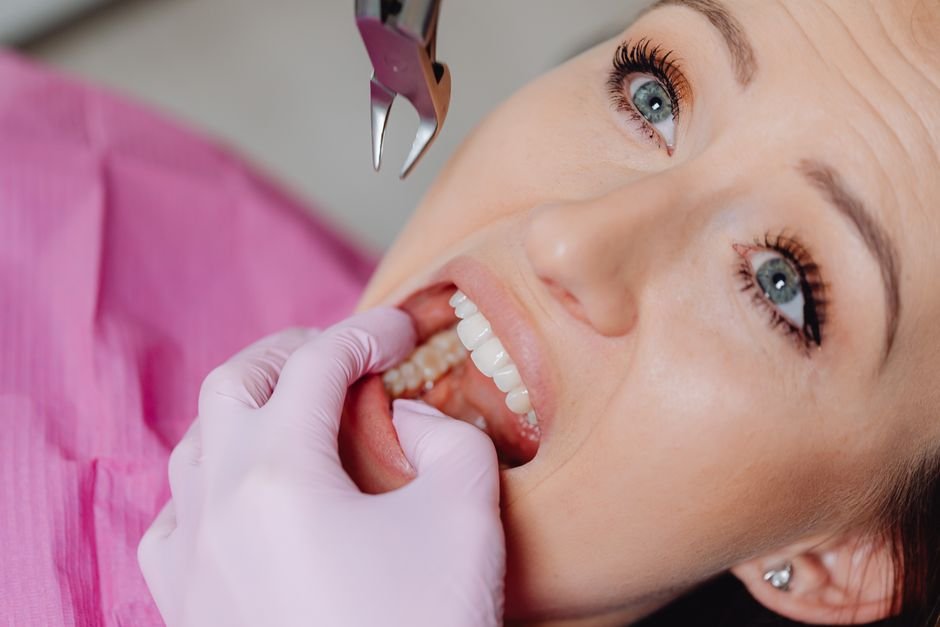
To handle dental anxiety before an appointment, prepare in three ways: tell the practice you feel nervous so they can adjust the visit, use practical calming techniques such as slow breathing and distraction on the day, and book at a time when you will not feel rushed. Anxiety is very common and does not mean anything is wrong with you. With a few small steps, most people find appointments far more manageable than they expected.
Key takeaways
- Telling the dental team you are anxious lets them slow down, explain more and agree a stop signal.
- Morning appointments and avoiding caffeine beforehand reduce the physical symptoms of anxiety.
- Slow breathing, music and grounding techniques calm the nervous system during the visit.
- Bringing a trusted person and planning a small reward afterwards both help.
- Regular short visits build confidence, while avoiding the dentist usually makes anxiety worse over time.
Why do so many people feel anxious about the dentist?
Dental anxiety is one of the most common health-related fears. It often starts with an uncomfortable experience in childhood, but it can also develop from stories told by others, a sense of lost control while lying back in the chair, worry about pain, or embarrassment about the state of your teeth. The sounds and smells of a surgery can trigger memories long after the original event.
Understanding that the fear is learned, not a personal weakness, is helpful. It means it can be unlearned. Modern dental care is built around comfort in a way that was not always true in the past, with gentler techniques, better numbing and teams trained to work with nervous patients. Knowing this does not switch off the feeling, but it gives you a realistic reason to expect a better experience than the one you are dreading.
Should you tell the dental practice you are nervous?
Yes, and it is the single most useful thing you can do. When the team knows in advance, they can book extra time, keep instruments out of sight, explain each step before it happens and check in with you regularly. Many practices are used to supporting anxious patients and will not be surprised or judgemental.
Agreeing a stop signal, usually raising a hand, restores a sense of control that anxiety takes away. Knowing you can pause at any moment often reduces the need to actually use it. You can also ask for a brief chat sitting upright before any treatment starts, so your first few minutes in the room are spent talking rather than lying back with your mouth open.
What can you do the day before your appointment?
Plan the practical details so nothing adds to your stress. Know how you are getting there, allow plenty of time so you are not rushing, and try to book a slot that suits your energy levels. Many people find first thing in the morning best, because there is less time to dwell on it and the day is not spent worrying.
Get a reasonable night’s sleep and eat a light meal beforehand so you are not attending on an empty stomach, which can make you feel shaky. Avoid caffeine and energy drinks on the day, as they mimic and amplify the physical signs of anxiety such as a racing heart. If you take regular medication, keep to your normal routine unless your dentist or doctor has advised otherwise.
Which breathing and relaxation techniques actually help?
Slow, controlled breathing is the most reliable technique because it directly calms the body’s stress response. Breathe in gently through your nose for a count of four, hold briefly, then breathe out slowly for a count of six. A longer out-breath is the part that signals safety to your nervous system. Practise it a few times a day in the week before so it feels automatic.
Grounding techniques give your mind something else to do. Press your feet into the floor and notice five things you can see, four you can hear and three you can feel. Progressive muscle relaxation, where you tense and release each muscle group in turn, releases the physical tension that builds up while you wait. None of these require special training, and you can use them quietly in the waiting room.
Can distraction make a dental visit easier?
For many people, yes. Bringing headphones and listening to music, a podcast or an audiobook gives your attention somewhere to go and masks the sounds of the surgery. Some practices offer screens on the ceiling or noise-cancelling headphones. Ask what is available when you book.
Simple physical distractions work too. Holding a stress ball, fidget object or even the arms of the chair gives nervous energy an outlet. Some people find that wiggling their toes, which stays out of the dentist‘s way, is enough to keep their mind occupied. The aim is not to ignore what is happening entirely, but to stop your thoughts from spiralling while you wait for each step to be over.
Does bringing someone with you help?
A trusted friend or family member in the waiting room, or in the surgery if the practice allows it, can be very reassuring. Their presence is a reminder that the appointment is a normal, safe event, and having someone to talk to beforehand stops you sitting alone with your worries.
Choose your companion carefully. You want someone calm who takes your anxiety seriously without making a fuss, not someone who is also nervous or who will dismiss your feelings. Let them know in advance how they can help, whether that is chatting to distract you, sitting quietly, or simply being there for the journey home afterwards.
What options exist for more severe dental anxiety?
If your anxiety is strong enough that you have been avoiding care for years, there are structured approaches that work well. Talking therapies, particularly those that gradually build up exposure to the dental setting in small steps, have a good track record for reducing fear over time. Some practices offer a first visit that involves no treatment at all, just meeting the team and sitting in the chair.
For treatment itself, sedation options can help people who cannot manage otherwise. These range from breathing in a mild calming gas to medication that leaves you relaxed but still awake and able to respond. Your dentist can talk through what is suitable, how it feels and what the recovery is like. Sedation is a bridge that helps you complete necessary care, not a permanent substitute for building confidence.
How can you build confidence for future appointments?
The most powerful long-term step is to attend regularly for short check-ups. Each calm, uneventful visit teaches your brain that the dentist is safe, and gaps between appointments shrink the mountain rather than letting it grow. Avoiding care has the opposite effect: problems build up, treatment becomes more involved, and the next visit feels even harder.
Keep notes on what helped and what did not, and share this with your dentist so each appointment improves on the last. Plan a small, pleasant reward afterwards, such as a favourite coffee or a walk somewhere you enjoy, so the day ends on a positive note. Over time, many people who once dreaded the dentist find that appointments become an ordinary part of looking after themselves.
Frequently Asked Questions
Is it normal to feel anxious about routine dental check-ups?
Yes, it is very common. A large share of adults feel some nervousness about dental visits, and for many it is strong enough to delay booking. Feeling this way does not mean you are being unreasonable, and dental teams are used to helping patients who find appointments difficult.
Will the dentist judge me for avoiding appointments?
A good dental team focuses on helping you move forward, not on criticising the past. Many patients arrive after long gaps in care because of anxiety. Being honest about how long it has been lets the dentist plan treatment sensibly and at a pace you can cope with.
Can I ask to stop partway through treatment?
Yes. Agreeing a stop signal such as raising your hand is standard practice for anxious patients. The dentist will pause, let you rest and check how you are before continuing. Knowing you have this control often makes the appointment feel much more manageable.
Does avoiding caffeine before an appointment really make a difference?
It can. Caffeine raises your heart rate and can cause jitteriness, which feels very similar to anxiety and can make it worse. Choosing water or a decaffeinated drink on the morning of your appointment removes one avoidable source of physical tension.
What is the first step if I have not seen a dentist in years?
Contact a practice, explain that you are anxious and have not attended for a long time, and ask for a gentle first appointment. Many practices offer an initial visit that is just a conversation and a look, with no treatment, so you can get comfortable before anything else is planned.