
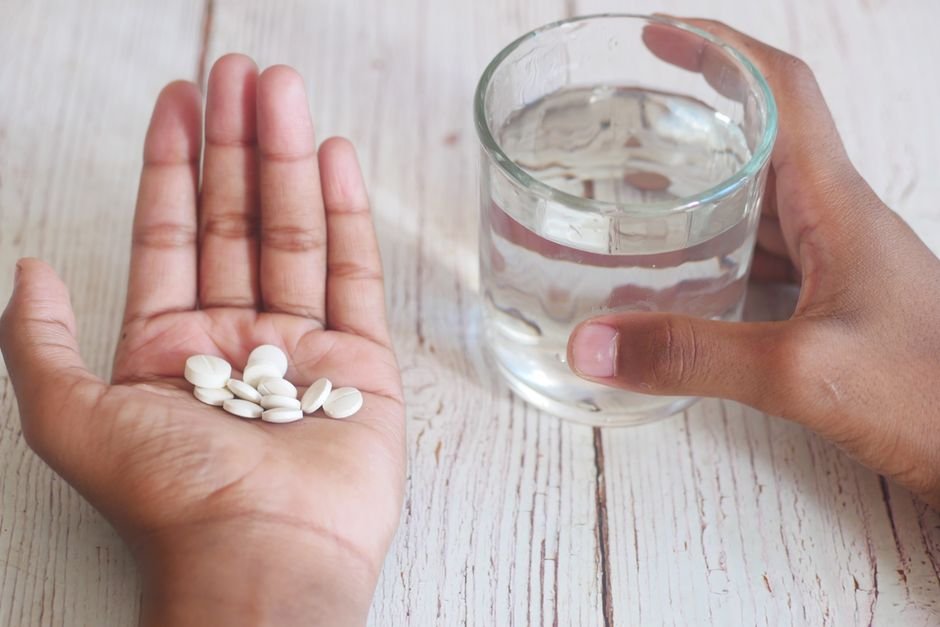
Probiotics may support oral health by adding beneficial bacteria that compete with the microbes linked to tooth decay, gum inflammation and bad breath. Research into oral probiotics is promising but still developing, so they are best seen as a possible extra to good brushing, flossing and regular dental visits rather than a replacement for them.
Key takeaways
- Your mouth hosts a complex community of bacteria, and balance matters more than eliminating microbes altogether.
- Some probiotic strains may help crowd out bacteria associated with plaque, gum problems and bad breath.
- Evidence is encouraging but mixed, and results vary by strain, dose and individual.
- Probiotics work alongside daily brushing, flossing and a low-sugar diet, never instead of them.
- Speak to your dentist or doctor before starting supplements, especially if you have a weakened immune system.
What Are Probiotics and How Do They Relate to the Mouth?
Probiotics are live microorganisms that, when taken in adequate amounts, may offer a health benefit. Most people associate them with gut health, yogurt and fermented foods, but the same idea applies to the mouth. Your mouth is home to hundreds of different bacterial species living on your teeth, gums, tongue and cheeks. Many of these microbes are harmless or even helpful, while a smaller number are linked to problems such as cavities and gum disease. The goal of oral probiotics is to tip that balance towards the helpful side.
Oral probiotics are usually delivered in forms that stay in the mouth for a while, such as lozenges, chewable tablets, gums or dissolving powders. This matters because swallowing a capsule quickly sends bacteria straight to the gut, with limited contact time in the mouth. Some fermented foods may also contribute beneficial bacteria, although their effect on oral health specifically is less clear. The key idea is that probiotics introduce friendly microbes that may settle, compete for space and nutrients, and help create an environment where harmful bacteria struggle to thrive.
Why Does the Balance of Oral Bacteria Matter?
A healthy mouth is not a sterile mouth. Instead, it is a balanced ecosystem where different bacteria keep one another in check. Problems tend to begin when this balance shifts, a state sometimes described as dysbiosis. Frequent sugar intake, poor plaque removal, smoking, dry mouth and certain medications can all encourage the growth of bacteria that produce acid or trigger inflammation. Over time, this shift can lead to enamel breakdown, bleeding gums and persistent bad breath, even in people who believe they are looking after their teeth well.
When harmful bacteria dominate, they form sticky biofilms known as plaque on the surfaces of teeth and along the gumline. Acid-producing bacteria in plaque feed on sugars and release acids that weaken enamel. Other species irritate the gums, leading to redness, swelling and bleeding. Restoring balance is therefore about more than killing germs. Harsh antibacterial approaches can remove helpful bacteria too, which is one reason researchers are interested in probiotics as a gentler way to support a healthier microbial community over the long term.
How Might Probiotics Help Prevent Tooth Decay?
Tooth decay is driven largely by acid-producing bacteria that thrive on sugar. Some probiotic strains appear able to compete with these bacteria, either by occupying the same spaces on the tooth surface or by producing substances that make it harder for decay-causing microbes to grow. In theory, fewer acid-producing bacteria means less acid attacking enamel after meals and snacks. Some studies have reported reductions in the levels of these bacteria in saliva after regular probiotic use, which is an encouraging sign.
However, a lower bacterial count in saliva does not automatically mean fewer cavities. Decay is influenced by many factors, including how often you eat sugar, how well you remove plaque, your saliva flow and whether you use fluoride. Fluoride toothpaste remains one of the most reliable tools for strengthening enamel and reversing very early decay. Probiotics, if used, should be considered a possible supporting measure. They cannot repair a cavity that has already formed, and any tooth that is sensitive, discoloured or painful should be examined by a dentist.
Can Probiotics Support Healthier Gums?
Gum disease begins with gingivitis, an inflammation of the gums caused by plaque bacteria at the gumline. If left untreated, it can progress to periodontitis, where the supporting bone and tissues around the teeth start to break down. Some probiotic strains have been studied for their ability to reduce gum inflammation and bleeding, possibly by competing with bacteria linked to gum disease and by influencing the body’s inflammatory response. Results have generally been modest but positive in some trials.
For people already receiving gum treatment, probiotics have occasionally been explored as an addition to professional cleaning, though they are not a standard replacement for it. Established gum disease needs proper assessment and care from a dentist or hygienist, including thorough cleaning below the gumline where a toothbrush cannot reach. Daily brushing along the gumline and cleaning between the teeth with floss or interdental brushes remain the foundation of healthy gums. Probiotics may be a helpful extra for some people, but they will not undo the effects of skipped cleaning.
Do Probiotics Help With Bad Breath?
Persistent bad breath is often caused by bacteria that break down proteins and release foul-smelling sulphur compounds. These bacteria tend to collect on the back of the tongue, between the teeth and in gum pockets. Certain probiotic strains have been studied for their ability to compete with these odour-producing bacteria, and some people report fresher breath when using oral probiotic lozenges. The idea is that by changing the bacterial population, fewer odour-causing compounds are produced in the first place.
That said, bad breath can have many causes, including gum disease, dry mouth, tooth decay, sinus problems, certain foods and some health conditions. Simply masking the smell with mints or strong mouthwash rarely solves the problem. Cleaning your tongue gently each day, staying hydrated and keeping up with interdental cleaning often make a noticeable difference. If bad breath continues despite good habits, it is worth seeing your dentist to rule out underlying problems. Probiotics may be one part of a wider plan, but identifying the cause comes first.
What Does the Current Evidence Actually Show?
The research on oral probiotics is growing, but it is still at a relatively early stage. Many studies are small, short in duration or use different strains and doses, which makes it difficult to compare results or draw firm conclusions. Some trials show improvements in markers such as plaque levels, gum bleeding or breath odour, while others show little difference compared with a placebo. Benefits may also fade once people stop taking the probiotic, suggesting the friendly bacteria do not always settle permanently.
Another challenge is that probiotics are strain-specific. A benefit seen with one strain cannot be assumed for another, even within the same bacterial family. Products on shop shelves vary widely in the strains they contain, how many live bacteria survive storage and how they are delivered. For these reasons, dental professionals tend to describe probiotics as a promising area rather than a proven treatment. It is reasonable to be curious about them, but it is wise to keep expectations realistic and to treat bold marketing claims with caution.
How Can You Support Good Bacteria Through Diet?
You do not need supplements to support a healthier balance of bacteria in your mouth. Diet plays a significant role. Cutting down on how often you eat or drink sugary and acidic items reduces the fuel available to decay-causing bacteria. Grouping sweet treats with mealtimes, rather than grazing throughout the day, gives your saliva time to neutralise acids and helps enamel recover. Drinking plenty of water also keeps saliva flowing, which naturally washes away food debris and supports a stable oral environment.
Fibrous vegetables and crunchy fruits encourage chewing, which stimulates saliva. Plain fermented foods such as natural yogurt or kefir contain live cultures and are generally a sensible part of a balanced diet, though their specific effect on oral health is still being studied. Choose unsweetened versions where possible, since added sugar can work against your teeth. Some people also find that chewing sugar-free gum after meals helps saliva flow. Together, these simple habits create conditions where beneficial bacteria are more likely to flourish naturally.
Who Should Be Cautious About Probiotic Supplements?
For most healthy adults, probiotics are generally considered low risk. However, they are not suitable for everyone without guidance. People with weakened immune systems, serious underlying health conditions, or those who have recently had major surgery should speak to their doctor before taking any probiotic product. The same applies to pregnant or breastfeeding women and to parents considering probiotics for young children. Live bacteria, while usually harmless, can occasionally cause problems in vulnerable individuals.
It is also worth reading product labels carefully. Some lozenges and chewable tablets contain sugar, which would undermine their intended purpose for teeth. Look for sugar-free versions and follow the storage instructions, as heat and moisture can reduce the number of live bacteria. If you notice any unusual symptoms after starting a probiotic, stop using it and seek advice. Your dentist can help you decide whether trying one makes sense for your situation, and can check that more common causes of your concern have been addressed.
How Should Probiotics Fit Into Your Daily Routine?
If you decide to try an oral probiotic, think of it as one small addition to a strong daily routine. Brush twice a day for around two minutes with a fluoride toothpaste, paying attention to the gumline. Clean between your teeth once a day using floss or interdental brushes. Spit rather than rinse after brushing so that fluoride stays on your teeth for longer. These steps remove plaque and protect enamel, and no supplement can replicate their effect.
Many oral probiotic products are designed to be taken after brushing, often at night, so the friendly bacteria have time to settle without being disturbed by eating or drinking. Avoid using a strong antibacterial mouthwash immediately before or after, as it may reduce the number of live bacteria. Give any product a fair trial over several weeks, and keep attending regular check-ups so your dentist can monitor your gums and teeth. That way, you can judge honestly whether the probiotic is adding real value.
Frequently Asked Questions
Can probiotics replace brushing and flossing?
No. Probiotics cannot remove plaque or strengthen enamel the way brushing with fluoride toothpaste and cleaning between the teeth can. At best, they may offer a small supporting benefit alongside a thorough daily oral hygiene routine.
Are yogurt and fermented foods good for teeth?
Plain, unsweetened yogurt and similar fermented foods are generally a healthy part of a balanced diet and contain live cultures. Their specific effect on oral health is still being studied, and sweetened versions can contribute to tooth decay if eaten frequently.
How long does it take for oral probiotics to work?
Studies on oral probiotics typically run for several weeks, and any changes tend to appear gradually. Benefits may also fade once you stop using them, so it is sensible to try a product consistently for a few weeks before judging whether it helps.
Can children take oral probiotics?
Some probiotic products are marketed for children, but parents should speak to a doctor or dentist before giving any supplement to a child. Good brushing habits, fluoride toothpaste, limited sugary snacks and regular dental visits remain the most important steps for children’s teeth.
Should I stop using mouthwash if I take probiotics?
You do not necessarily need to stop, but strong antibacterial mouthwashes may reduce the number of live probiotic bacteria if used at the same time. Many people separate the two by several hours, and your dentist can advise on whether you need a medicated rinse at all.