
Digital tools improve at-home oral care by turning brushing, flossing and rinsing from guesswork into a guided, measurable routine. Smart toothbrushes track pressure, timing and coverage, oral care apps translate that data into simple feedback and reminders, and digital water flossers make it easier to reach areas that manual tools often miss. Together, these tools help people brush for the correct duration, use consistent technique, and notice patterns in their habits that are easy to overlook when relying on memory alone.
Key takeaways
- Digital tools give real-time feedback on brushing pressure, duration and coverage, helping correct habits that are hard to self-assess.
- Oral care apps turn daily brushing and flossing into a trackable routine, which supports consistency over weeks and months.
- Smart water flossers and digital reminders make it easier to reach gaps in a routine, particularly around the gum line.
- These tools work best as an aid to good technique, not a replacement for understanding proper brushing and flossing fundamentals.
- Choosing the right tool depends on personal habits, dexterity and whether ongoing tracking data is actually useful to the individual.
What Are Digital Tools for At-Home Oral Care?
Digital tools for oral care cover a broad category that includes electric and smart toothbrushes with built-in sensors, mobile apps that log brushing sessions, digital or smart water flossers, and simple reminder systems such as phone notifications or connected devices. What unites them is the use of technology to give feedback on something that was traditionally left entirely to habit and memory. Rather than simply removing plaque, these tools aim to help a person understand whether they are actually performing the task correctly and consistently.
The appeal of these tools lies in the gap between intention and execution. Most people believe they brush for an adequate length of time and cover their whole mouth evenly, yet studies of unguided brushing consistently show shorter durations and uneven coverage than people assume. Digital tools close this gap by measuring behaviour directly rather than relying on self-perception. This makes them particularly useful for anyone who has been told by a dental professional that their technique needs improvement but has struggled to change habits without concrete feedback.
How Do Smart Toothbrushes Improve Brushing Habits?
Smart toothbrushes typically include sensors that detect brushing pressure, motion and duration, then relay this information to a paired app or an indicator light on the handle itself. If pressure is too heavy, many models will pulse, vibrate or flash to signal that the user should ease off, which helps prevent the kind of aggressive brushing that can wear down enamel and irritate gums over time. Built-in timers also encourage brushing for the full recommended two minutes, often dividing the mouth into quadrants so each area receives equal attention.
Beyond pressure and timing, some smart brushes track coverage by mapping which surfaces of the teeth have been brushed during a session, highlighting areas that were missed or rushed. This kind of granular feedback is difficult to replicate with a manual brush, where a person has no objective way of knowing whether the back molars received the same attention as the front teeth. Over repeated use, this feedback loop tends to reinforce more even, gentler and more thorough brushing without requiring constant conscious effort.
Can Oral Care Apps Really Help You Build Better Habits?
Oral care apps function much like fitness or habit-tracking apps, logging each brushing and flossing session and presenting the data as streaks, scores or simple charts. This visual record can be motivating, since seeing a consistent streak often encourages a person to keep the routine going rather than skip a session. Many apps also send gentle reminders at set times, which is particularly helpful for people who tend to forget evening brushing after a long day or who are trying to establish a new habit such as flossing daily.
The behavioural science behind habit formation supports this approach: consistent cues, a clear routine and visible progress all help turn a deliberate action into an automatic one. Apps that pair with a smart brush can also flag specific problem areas over time, such as a tendency to under-brush the lower left side, which allows the person to correct a pattern rather than repeat it indefinitely. Used this way, the app becomes less about the technology itself and more about closing the loop between behaviour and awareness.
What Role Do Smart Water Flossers Play in Gum Health?
Water flossers use a pressurised, pulsing stream of water to clean between teeth and along the gum line, and digital or smart versions add features such as pressure settings, timers and mode selection for sensitive gums. For people who find string floss awkward to manoeuvre, particularly around bridges, braces or tightly spaced teeth, a water flosser can make the process considerably more comfortable and easier to maintain as a daily habit. Consistent use helps dislodge food particles and soft plaque from areas a toothbrush cannot fully reach.
Smart water flossers often include a companion app or an on-device display that tracks how long a session lasted and reminds the user to switch pressure settings for sensitive areas. This is particularly useful for anyone whose gums bleed easily, since a lower, more controlled setting can be selected without needing to guess. While a water flosser is a valuable addition to an oral hygiene routine, it works best alongside brushing rather than as a complete substitute, since the two methods target slightly different surfaces of the mouth.
Why Are Digital Reminders Useful for Daily Oral Hygiene?
Digital reminders, whether through a dedicated app, a smartwatch notification or a simple phone alarm, address one of the most common reasons oral care routines slip: forgetting. Busy mornings and tired evenings are prime times for a brushing or flossing session to be skipped entirely, and once a habit breaks for a few days it becomes noticeably harder to restart. A well-timed reminder removes the need to rely purely on willpower or memory, prompting the action at the moment it is meant to happen.
These reminders are especially valuable when introducing a new element to a routine, such as adding a water flosser or switching to a twice-daily fluoride mouthwash. Establishing any new habit typically takes sustained repetition, and reminders help bridge that early period before the behaviour becomes automatic. Some systems also allow reminders to be customised around a person’s actual schedule rather than fixed times, which increases the likelihood that the prompt arrives when the person is genuinely able to act on it.
How Do Digital Tools Help With Tracking Progress Over Time?
One of the more understated benefits of digital oral care tools is longitudinal tracking, meaning the ability to look back over weeks or months and see trends rather than isolated sessions. A single day of rushed brushing tells a person very little, but a pattern of consistently short sessions on weekday mornings reveals something actionable. This kind of trend data is difficult to notice without a tool logging it automatically, since human memory is not well suited to remembering dozens of near-identical daily routines.
Tracking progress also gives useful context for conversations with a dental professional. Rather than trying to recall brushing habits from memory during a check-up, a person can share data showing average session length, consistency and any recurring problem areas. This turns a vague description into concrete information that can inform tailored advice. For people managing sensitive gums or working to improve technique after professional guidance, this record can help confirm whether changes are actually being sustained.
Are Digital Oral Care Tools Suitable for Children and Older Adults?
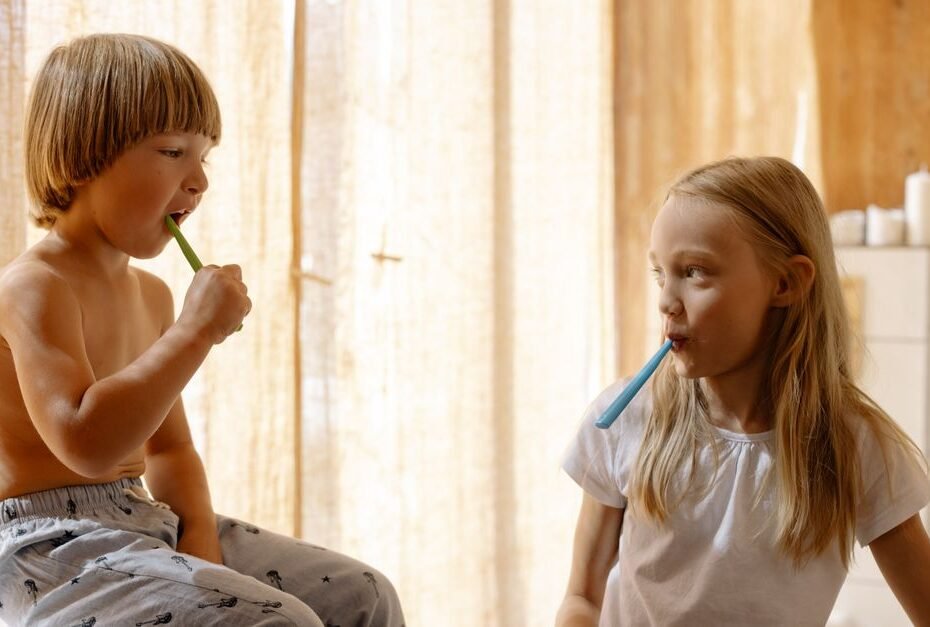
Many digital oral care tools are designed with specific age groups in mind, and children’s versions often use playful timers, characters or games displayed through a connected app to make the full two minutes of brushing feel less tedious. Since children frequently rush through brushing or stop well before the recommended time, gamified feedback can meaningfully improve both duration and enthusiasm. Parents can also use accompanying apps to monitor whether a child’s brushing habits are developing consistently over time.
For older adults, particularly those with reduced dexterity or grip strength, the ergonomic design of many electric and smart brushes can make effective brushing considerably easier than a manual toothbrush. Larger handles, automatic oscillation and pressure sensors that prevent over-brushing are especially helpful for anyone managing arthritis or similar conditions affecting hand movement. Reminder apps can also support carers or family members helping to maintain a routine for someone who may otherwise forget or skip sessions.
What Should You Look for When Choosing a Digital Oral Care Tool?
Choosing the right digital oral care tool starts with identifying the specific gap in an existing routine. Someone who already brushes consistently but struggles with coverage may benefit most from a smart brush with coverage mapping, while someone who often forgets to floss might get more value from a reminder app paired with a water flosser. Buying a tool with more features than needed rarely improves outcomes, so it is worth being honest about which part of a routine genuinely needs support.
It is also worth considering how much ongoing engagement a tool requires to be useful. Some people find detailed tracking motivating, while others find frequent notifications or complex apps become another source of friction that leads them to abandon the tool altogether. Simpler tools with fewer steps tend to have better long-term adherence for people who prefer a lower-maintenance approach. Whichever option is chosen, the tool should make the routine easier to sustain, not add unnecessary complexity.
Frequently Asked Questions
Do I need a smart toothbrush, or is a regular electric toothbrush enough?
A regular electric toothbrush can be perfectly effective for good oral hygiene, especially when used with proper technique for two minutes twice daily. A smart toothbrush adds value mainly for people who struggle with pressure control, even coverage, or maintaining consistent brushing duration, since it provides direct feedback on these specific issues. For someone who already brushes correctly and consistently, the added tracking features may offer little practical benefit beyond convenience.
Can an oral care app replace regular dental check-ups?
No, an oral care app cannot replace regular dental check-ups. Apps and connected devices track surface-level habits such as brushing duration and coverage, but they cannot detect issues like early decay, gum disease beneath the surface, or other conditions that require a professional examination. These tools work best as a complement to routine dental visits, helping maintain good habits between appointments rather than substituting for professional assessment.
Is a water flosser as effective as traditional string floss?
Water flossers are generally considered effective at removing food debris and soft plaque from between teeth and along the gum line, and many people find them easier to use consistently than string floss. Some research suggests water flossers can be particularly helpful for people with braces, bridges or sensitive gums. The most important factor is consistent daily use, so the better option is often whichever method a person will actually stick with long term.
Are digital reminders really necessary for brushing and flossing?
Digital reminders are not strictly necessary for everyone, but they are genuinely useful for people who tend to forget sessions, especially when introducing a new step like flossing or a second daily mouthwash rinse. Reminders are most valuable during the early weeks of building a new habit, when consistency matters most. Once a routine becomes automatic, many people find they no longer need the prompts as frequently.
Can digital oral care tools help with sensitive teeth or gums?
Yes, several digital tools are specifically useful for sensitive teeth and gums. Smart toothbrushes with pressure sensors can prevent the excessive force that often aggravates sensitivity, while water flossers with adjustable pressure settings allow a gentler clean along the gum line. These features help maintain thorough cleaning without the discomfort that can lead some people to avoid brushing or flossing certain areas altogether.