

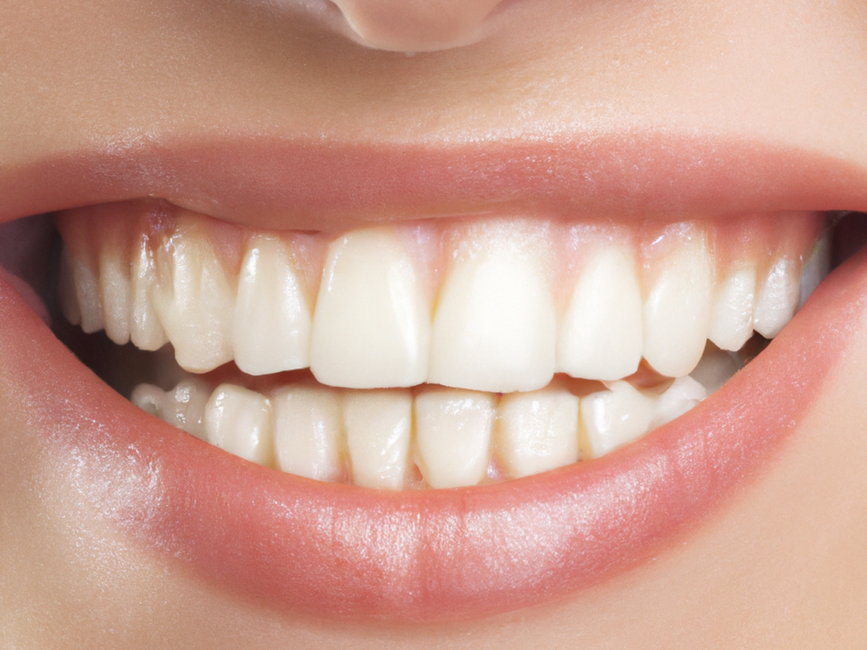
Teeth yellow over time mainly because the outer enamel layer gradually thins and becomes more porous, allowing the naturally yellow dentin underneath to show through, whilst daily exposure to staining foods, drinks, tobacco and plaque adds further discolouration on top. In most cases this is a slow, cumulative process rather than the result of any single event, which is why colour changes often become noticeable only after years of ordinary wear, diet and oral care habits.
Key takeaways
- Yellowing usually comes from two combined processes: enamel thinning that reveals the dentin beneath, and surface staining from food, drink and tobacco.
- Everyday habits such as drinking coffee, tea or red wine, and inconsistent brushing, allow pigmented compounds to build up in enamel over months and years.
- Some causes, including genetics, certain medications taken during tooth development, and dry mouth, are largely outside a person’s control.
- Whitening toothpaste helps with surface stains but cannot change the underlying dentin colour, which is a common source of disappointment.
- Understanding whether discolouration is on the surface or coming from within the tooth helps determine which approach is realistic.
Why do teeth naturally yellow with age?
Tooth enamel is the hard, semi-translucent outer layer that protects the tooth, and beneath it sits dentin, a naturally yellowish tissue that makes up the bulk of the tooth structure. In childhood and early adulthood, enamel is at its thickest, so it masks much of the dentin’s colour and teeth tend to look brighter. With every year of chewing, grinding and exposure to acidic foods and drinks, enamel wears down very gradually and becomes thinner and more translucent.
As enamel thins, more of the dentin’s natural yellow-brown tone becomes visible through it, which is why older teeth often appear more yellow even with excellent oral hygiene. This process is a normal part of ageing rather than a sign of disease, though its pace varies considerably between individuals depending on enamel thickness, diet and how teeth are used and cared for over the decades. It cannot be entirely prevented, only slowed.
Which foods and drinks cause the most staining?
Deeply pigmented foods and drinks are one of the most common everyday causes of yellowing. Coffee, black tea, red wine, cola-type drinks, and dark berries all contain colour compounds called chromogens, along with tannins that help those pigments stick to enamel. Curries, soy sauce, balsamic vinegar and other richly coloured sauces behave in a similar way. Each exposure leaves behind a barely visible residue, but repeated exposure over months and years allows these residues to accumulate within the enamel’s microscopic pores.
Acidic foods and drinks compound the problem because acid softens enamel slightly and makes it more porous, so pigments penetrate more easily and more deeply. Citrus fruits, fizzy drinks and vinegar-based dressings fall into this category. Rinsing the mouth with plain water after consuming these items, and avoiding brushing immediately while enamel is softened, can reduce how much staining pigment is left to settle into the tooth surface over time.
Does smoking or tobacco use lead to yellow teeth?
Tobacco use is one of the most significant contributors to tooth discolouration. Cigarettes, cigars, pipe tobacco and chewing tobacco all contain tar and nicotine, and while tar is naturally dark, nicotine itself is colourless until it combines with oxygen, at which point it produces a yellowish residue. These substances cling readily to enamel, particularly in the tiny grooves and porous areas of the tooth surface, building up layer upon layer with continued use.
Because tobacco staining tends to be heavier and more stubborn than staining from food or drink alone, it often produces a deeper yellow or brownish tinge that regular brushing struggles to remove fully. Long-term tobacco use can also affect gum health and saliva flow, which indirectly contributes to further discolouration by reducing the mouth’s natural ability to wash away staining particles and neutralise acids after eating or drinking.
How does oral hygiene affect tooth colour?
Plaque is a soft, sticky film of bacteria that forms continuously on teeth throughout the day. When brushing and flossing are inconsistent, plaque is left to build up, and it readily absorbs colour from food, drink and tobacco, giving teeth a dull, yellowish appearance. Left long enough, plaque can also harden into tartar, a calcified deposit that is porous, rougher than enamel, and stains even more easily than plaque itself.
Because tartar can only be removed with professional cleaning rather than brushing at home, allowing it to accumulate creates a surface that continues collecting stains faster than clean enamel would. This is why irregular brushing habits, even for a matter of months, can noticeably accelerate yellowing compared with a consistent twice-daily routine paired with regular flossing, which limits how much plaque and tartar ever have the chance to form and discolour in the first place.
Can certain medications cause teeth to yellow?
Some medications are known to affect tooth colour, particularly when taken during the years when teeth are still forming beneath the gums. Certain antibiotics from the tetracycline family, if taken during tooth development, can bind to the dentin and cause a grey-yellow discolouration that appears from within the tooth rather than on its surface. Because this colour change is intrinsic, it tends to be far more resistant to surface whitening methods.
In adults, other medications can contribute to yellowing indirectly. Some antihistamines, blood pressure medicines and antipsychotics reduce saliva production, and since saliva helps rinse away staining particles and buffer acids, a persistently dry mouth allows pigments to linger longer on enamel. Liquid iron supplements and certain mouth rinses containing chlorhexidine, used long-term, have also been associated with surface staining in some individuals.
What role does genetics play in tooth colour?
Just as genetics influences eye and hair colour, it also plays a part in the natural thickness, density and shade of both enamel and dentin. Some people inherit enamel that is naturally thinner or more translucent, which allows the yellower dentin beneath to show through more prominently even at a young age. Others inherit dentin that is naturally darker or more yellow in tone from the outset, independent of diet or hygiene habits.
This genetic baseline explains why two people with very similar diets and oral care routines can still have noticeably different tooth shades. It also means that some degree of yellowing, or a naturally warmer baseline tooth colour, is not necessarily a reflection of poor habits. Recognising this genetic influence can help set realistic expectations about how much natural colour change is achievable through diet and hygiene adjustments alone.
How does dry mouth contribute to discolouration?
Saliva plays a constant, largely unnoticed role in maintaining tooth colour. It washes away food particles and staining pigments, neutralises the acids produced by bacteria and by acidic foods, and helps redeposit minerals that keep enamel strong. When saliva flow is reduced, whether from dehydration, certain medications, mouth breathing, or underlying health conditions, this natural rinsing and buffering effect is diminished considerably.
With less saliva to clear away residue, staining compounds from food, drink and plaque are left in contact with enamel for longer stretches of time, giving them more opportunity to be absorbed. A drier mouth also tends to allow plaque to build up more quickly, compounding the effect further. Staying well hydrated and addressing the underlying cause of dry mouth where possible can help reduce this contributing factor over time.
Can enamel erosion and grinding make teeth look more yellow?
Enamel erosion refers to the gradual loss of enamel caused by repeated acid exposure, whether from acidic foods and drinks, acid reflux, or frequent exposure to stomach acid. As enamel erodes, it becomes thinner in a way that mirrors, and often accelerates, the natural thinning that happens with age, exposing more of the yellow dentin beneath sooner than would otherwise occur.
Teeth grinding, often happening unknowingly during sleep, wears down enamel through constant mechanical friction rather than acid, but the end result is similar: thinner enamel and more visible dentin, particularly along the biting edges of the front teeth. Both processes are usually gradual and painless in their early stages, which means the resulting yellowing can develop unnoticed over several years before it becomes visually obvious.
Is discolouration from within the tooth different from surface staining?
Dental professionals generally describe discolouration as either extrinsic or intrinsic. Extrinsic staining sits on the outer surface of the enamel and comes from external sources such as food, drink, plaque and tobacco. Because it is essentially a coating rather than a change to the tooth structure itself, it typically responds well to professional cleaning, careful brushing and surface whitening products.
Intrinsic discolouration, by contrast, originates within the dentin or enamel structure itself, caused by factors such as genetics, certain medications during tooth development, ageing-related enamel thinning, or trauma to a tooth. Because the colour change is embedded in the tooth’s internal structure rather than sitting on top of it, intrinsic discolouration does not respond to surface cleaning in the same way and generally requires a different, more involved approach to address meaningfully.
Frequently Asked Questions
Is yellowing of teeth always a sign of poor oral hygiene?
No. While inconsistent brushing and flossing do contribute to staining, yellowing is also caused by natural enamel thinning with age, genetics, certain medications, and everyday exposure to staining foods and drinks. A person with excellent oral hygiene can still experience gradual yellowing purely from these other factors.
Why do my teeth look more yellow than they did a few years ago?
This is usually the combined result of enamel gradually thinning with age, which reveals more of the naturally yellow dentin beneath, along with the slow accumulation of stains from food, drink and, if applicable, tobacco use. Both processes happen gradually, so the change often only becomes noticeable after several years.
Can whitening toothpaste reverse years of yellowing?
Whitening toothpaste can help remove surface stains caused by food, drink and plaque, making enamel look cleaner and brighter. However, it cannot change the colour of the dentin beneath the enamel, so it will not address yellowing caused by enamel thinning, genetics or internal discolouration.
Do children’s teeth yellow for the same reasons as adult teeth?
Children’s teeth can develop discolouration too, but the causes sometimes differ. Certain medications taken during tooth development, fluorosis from excessive fluoride exposure while teeth are forming, and genetics are more relevant in childhood, whereas cumulative dietary staining and age-related enamel thinning become more significant later in life.
Does drinking through a straw actually reduce staining?
Using a straw for staining drinks such as coffee, tea or cola can reduce the amount of liquid that comes into direct contact with the front teeth, which may modestly limit surface staining over time. It does not address other causes of yellowing, such as enamel thinning or genetics, but it is a simple habit that can help as part of a broader approach.