
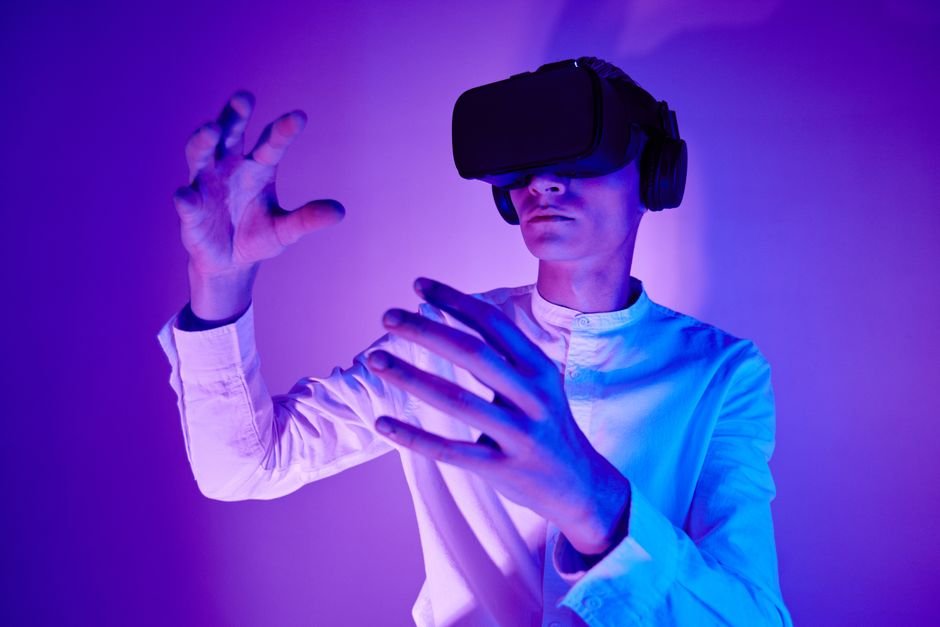
Wearable oral health technology now allows people to monitor brushing habits, detect early signs of gum inflammation, and track changes in saliva composition, all from small sensors built into everyday devices. What used to require a dental visit to notice is increasingly visible at home, in real time, long before a problem becomes painful.
Key takeaways
- Wearable sensors can track brushing pressure, coverage, and duration.
- Some devices monitor saliva markers linked to early gum inflammation.
- Wearables complement, rather than replace, regular dental checkups.
- Data trends over time can help spot habits worth adjusting early.
What Kinds of Oral Health Wearables Exist Today?
Smart toothbrushes are the most familiar example, using motion sensors to track brushing pressure, coverage, and duration, then sending that data to a paired app. Some mouthguard style devices go further, monitoring saliva chemistry or jaw movement patterns overnight, particularly for people who grind their teeth.
There are also wearable patches and small intraoral sensors being developed to monitor bacterial activity linked to plaque build up. While still emerging, these tools point toward a future where oral health data becomes as routine to track as steps or sleep. Some newer devices even integrate with broader health tracking platforms, allowing oral health metrics to sit alongside general fitness and sleep data in one place.
How Does Tracking Brushing Habits Actually Help?
Most people believe they brush thoroughly, but sensor data often tells a different story, revealing spots that get missed consistently or areas brushed too aggressively. Seeing this pattern over days or weeks makes it far easier to correct than a single comment from a dentist during a six month checkup.
Over time, this kind of feedback loop tends to build better habits automatically, since the immediate data makes cause and effect obvious in a way that abstract advice rarely does. Many apps paired with these devices also send gentle reminders or short coaching tips when a pattern of missed spots repeats across several sessions.
Can Wearables Detect Gum Disease Early?
Some newer devices analyse saliva for markers associated with inflammation, offering an early signal of gum disease before visible symptoms like bleeding or swelling appear. This is particularly useful because early stage gum disease often causes no discomfort at all, which is exactly why it tends to go unnoticed for so long.
These tools are not designed to replace a dentist‘s diagnosis, but they can prompt someone to book a checkup sooner rather than waiting for a problem to become obvious or painful. Some devices can also flag sudden changes between readings, which may be worth mentioning to a dentist even if the individual reading itself does not seem alarming.
Are These Devices Reliable Enough to Depend On?
Wearable oral health technology is improving quickly, but accuracy still varies between devices, and none of them are a substitute for a professional examination. Think of them as an early warning system that adds useful information between dental visits, rather than a diagnostic tool on their own.
As with most health wearables, the real value comes from consistent use over time, since trends and patterns tend to be more meaningful than any single reading. A single unusual reading is far less informative than a gradual shift observed across several weeks of regular use.
How Do These Devices Fit Into a Daily Routine?
Most oral health wearables are designed to slot into an existing routine rather than replace it, syncing automatically with a smartphone app after each use. This low effort approach is part of why adoption has grown steadily, since it does not require any real behaviour change beyond brushing as you normally would.
Battery life and charging habits do need some getting used to, particularly for devices used twice daily, but most modern designs are built to go a week or more between charges, similar to other wearable health devices already common in many households.
What Should You Look for When Choosing a Device?
With so many options now available, it helps to think about what you actually want the device to do before buying one. Some people mainly want basic feedback on brushing coverage and duration, while others are more interested in longer term trend tracking, such as changes in gum sensitivity readings over several months. Being clear about this upfront makes it easier to filter through the growing range of products on the market.
App quality matters just as much as the hardware itself, since the insights are only as useful as how clearly they are presented. A device paired with a confusing or cluttered app tends to get used less consistently, which defeats much of the purpose of tracking in the first place. Reading reviews focused specifically on the app experience, rather than just the physical device, can save some frustration later.
It is also worth considering how a device fits with your existing habits. Someone who already uses a specific electric toothbrush brand may find it simpler to stay within that ecosystem, since data can sometimes sync more smoothly across a single manufacturer’s product range than between mismatched devices from different brands.
How Does This Compare to Traditional Dental Monitoring?
Traditional dental monitoring largely relies on periodic snapshots, the state of your teeth and gums as observed during a checkup every six months or so. Wearable technology adds a layer of continuous, everyday data that sits between those snapshots, which is fundamentally different information rather than a replacement for it.
This continuous data can be particularly useful for spotting gradual changes that might otherwise be dismissed as normal day to day variation. A slow but steady increase in a particular saliva marker over several weeks, for example, might not be obvious to the person experiencing it but could stand out clearly once plotted as a trend line in an app.
Dentists themselves are still adapting to how best to use this kind of patient generated data, and practices vary quite a bit in how much weight they currently give to it during a consultation. As the technology matures and standards develop, this is likely to become a more structured part of how checkups are approached.
Are There Any Downsides to Relying on These Devices?
One risk worth being aware of is over-reliance, where a person delays seeing a dentist because their wearable device has not flagged anything unusual. Since these tools are not diagnostic instruments, this kind of false reassurance is one of the more important limitations to keep in mind.
Cost can also be a barrier, since many of the more advanced wearable oral health devices sit at a higher price point than a standard toothbrush, and ongoing subscription fees for premium app features can add up over time. Weighing this cost against how much genuine value the tracking adds to your specific routine is worth doing honestly before committing to a purchase.
Data privacy is another consideration many people overlook when adopting a new wearable device. Oral health data, like other health information, is worth understanding in terms of how it is stored, whether it is shared with third parties, and how easily it can be deleted if you decide to stop using a particular app or device down the line.
Where Is This Technology Headed Next?
Researchers are exploring sensors that could flag early signs of conditions linked to the mouth body connection, such as certain markers tied to inflammation elsewhere in the body. As these tools become smaller and more affordable, oral health tracking is likely to become a standard part of everyday wellness routines, much like fitness trackers have already become.
The goal is not to replace dental professionals but to give people, and their dentists, better information between visits, making preventive care more proactive rather than reactive. Some dental practices are already exploring ways to let patients share this tracked data directly ahead of appointments, giving the dentist useful context before the patient even sits in the chair.
Frequently Asked Questions
Do I still need to see a dentist if I use a smart toothbrush?
Yes, wearable devices provide useful daily feedback but cannot replace a professional examination, which can detect issues that sensors are not designed to identify.
Are oral health wearables suitable for children?
Many smart toothbrush apps are designed with features for children, though it is worth checking a specific device’s age recommendations before use.
How accurate is saliva based inflammation tracking?
Accuracy varies by device and is still developing, so results should be treated as an early indicator rather than a definitive diagnosis.
Do these devices require a subscription to use?
Some wearable oral health devices include ongoing app features that require a subscription, while others offer full functionality with a one time purchase.
Can wearable data be shared with my dentist?
Many apps allow you to export or share tracking data, which can give your dentist useful context about your daily habits between appointments.