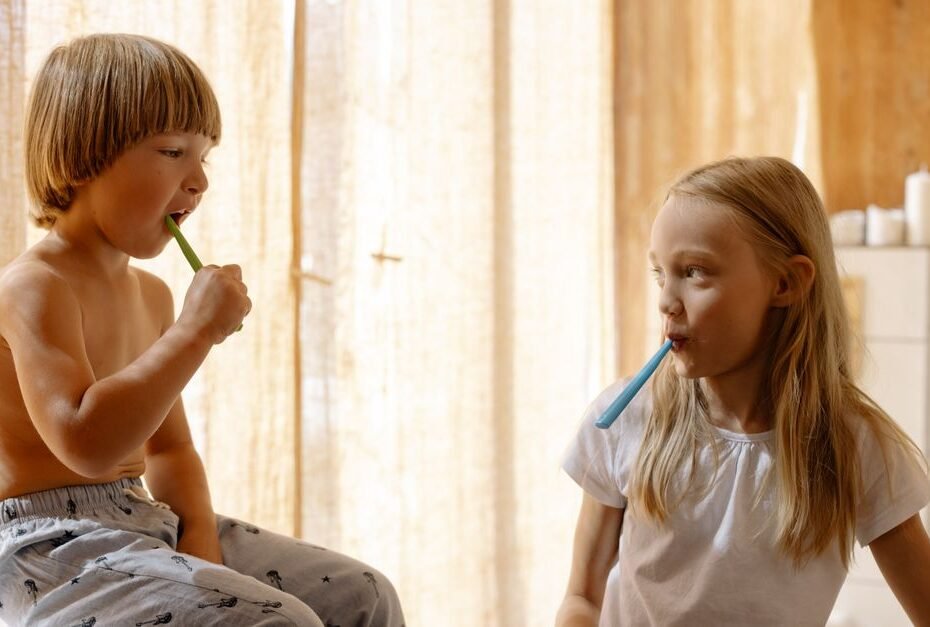

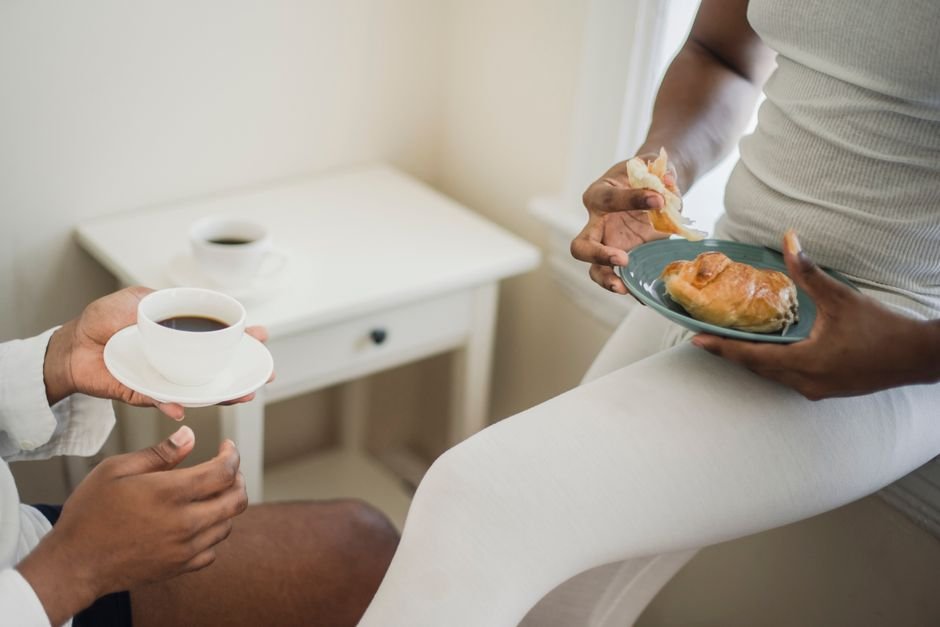
What you do in the first thirty minutes after waking up has a bigger impact on your oral health than most people realise, from the order you brush and eat in to how much water you drink before your first coffee. Saliva production drops overnight, leaving your mouth more vulnerable to bacteria first thing in the morning, which makes those early choices count more than they seem to. None of this requires an elaborate routine, just a bit of awareness about the order things happen in and why that order matters for your teeth specifically.
Key takeaways
- Saliva flow slows overnight, leaving your mouth drier by morning.
- Brushing before breakfast protects enamel better than brushing straight after eating.
- Acidic morning drinks can soften enamel if teeth are brushed too soon.
- A consistent morning order matters more than any single product you use.
Why Does Morning Breath Happen in the First Place?
Saliva plays a major role in washing away bacteria throughout the day, but production naturally slows down while you sleep. This gives bacteria more time to build up overnight, which is why most people wake up with a noticeably dry mouth and stronger breath than they had the evening before.
This is a completely normal part of how the mouth works overnight, but it does mean that morning habits have more cleanup to do than habits later in the day. Breathing through the mouth during sleep, whether from congestion or habit, can make this dryness even more pronounced by morning.
Should You Brush Before or After Breakfast?
Many dentists recommend brushing before breakfast rather than immediately after, particularly if breakfast includes anything acidic like citrus fruit or coffee. Acidic foods and drinks temporarily soften tooth enamel, and brushing straight afterwards can actually brush away some of that softened enamel before it has time to reharden.
If you prefer brushing after eating, waiting around thirty minutes gives your enamel time to recover, offering the benefits of a clean mouth without the added wear. Brushing before breakfast also has the added benefit of removing overnight bacterial build up before it has a chance to interact with your first meal of the day.
Does Drinking Water First Thing Really Help?
A glass of water before anything else helps rehydrate your mouth after a night of reduced saliva flow, and it can also help rinse away some of the bacteria that built up overnight. This is a simple habit that costs nothing and takes seconds, yet it noticeably improves how your mouth feels first thing in the morning.
Water also helps balance out the effects of your first coffee or tea, both of which can leave your mouth drier and more prone to staining if they are the very first thing you consume. Some people find that a full glass, rather than just a few sips, makes the biggest difference to how quickly that dry, sluggish morning feeling clears.
How Do Morning Drinks Affect Your Teeth?
Coffee, tea, and fruit juice are common morning staples, but each comes with its own effect on your teeth. Coffee and tea can gradually stain enamel over time, while fruit juice is often acidic enough to soften enamel temporarily, similar to citrus fruit itself.
None of this means you need to give these drinks up. Simply being mindful of timing, such as having water alongside them or rinsing your mouth afterwards, goes a long way toward reducing their impact. Using a straw for cold coffee drinks or juice can also help minimise direct contact between the liquid and your front teeth.
Does Skipping Breakfast Change Anything for Your Teeth?
Skipping breakfast does not directly harm your teeth, but it can shift when your first exposure to sugar or acid happens later in the morning, sometimes in the form of a quick snack eaten on the go without much thought. These rushed snacks are often more acidic or sugary than a planned breakfast would be.
If your morning routine tends to be rushed, having a simple, planned option ready, even something as basic as plain yoghurt or a piece of cheese, can be a gentler start for your teeth than reaching for whatever is most convenient later.
Does Exercise Timing Play a Role Too?
Many people fit a workout into their morning routine, and this adds another variable worth thinking about. Sports drinks and flavoured waters consumed during or after exercise are often acidic or sugary, and heavy breathing through the mouth during exercise can further dry out an already less protected morning mouth.
This does not mean exercise and oral health are at odds, simply that plain water is generally the better choice around a morning workout, with any more flavoured or sugary drinks saved for alongside a meal rather than sipped continuously on their own.
How Does Toothpaste Choice Fit Into a Morning Routine?
Fluoride toothpaste remains the standard recommendation for morning brushing, since fluoride helps strengthen enamel that has been softened overnight by the drop in saliva flow. Whitening toothpastes and other specialised formulas can be used too, but they are a secondary consideration rather than a replacement for consistent fluoride exposure.
Some people find an electric toothbrush easier to use effectively first thing in the morning, when coordination and patience can both be a little lower than later in the day. Whichever tool you use, spending the full two minutes recommended by most dentists matters more than the specific brand or features involved.
What About Rushed Mornings and Travel Days?
Not every morning goes to plan, and travel, early meetings, or a slow start can all disrupt an otherwise consistent routine. On these days, prioritising just the basics, a quick brush and a glass of water, is far better than skipping oral care altogether because the full routine feels impossible.
Keeping a small travel toothbrush and toothpaste in a bag or car can remove one common excuse for skipping the morning routine entirely when plans change unexpectedly. Even an imperfect version of the routine, done consistently, tends to outperform an ideal routine that only happens some of the time.
Does the Order You Do Things In Really Matter That Much?
It is worth remembering that no single step in a morning routine works in isolation. Water rehydrates the mouth, brushing removes overnight bacterial build up, and mindful timing around acidic foods and drinks protects enamel that is naturally a little more vulnerable first thing in the day. Each step supports the others rather than acting as a standalone fix.
This is part of why dentists tend to talk about morning routines as a whole sequence rather than focusing on any single habit in isolation. A great toothpaste used at the wrong time, or a healthy breakfast eaten straight after brushing, can undercut some of the benefit each individual choice would otherwise provide.
What Does a Genuinely Smile Friendly Morning Look Like?
A simple, effective morning routine does not need to be complicated. Waking up, drinking a glass of water, brushing before breakfast, and then eating and drinking as usual covers most of what your teeth need to start the day well. Consistency matters far more than any single product or step.
Building this into a routine you barely have to think about is often more effective long term than an elaborate approach that is hard to maintain on busy mornings. Over weeks and months, it is this kind of quiet consistency, rather than occasional extra effort, that tends to produce the most noticeable results.
Frequently Asked Questions
Is it bad to skip brushing before breakfast?
It is not harmful occasionally, but making a habit of it means bacteria that built up overnight stay in contact with your teeth for longer before being cleaned away.
Why does my mouth feel dry when I wake up?
Saliva production naturally decreases while you sleep, and since saliva helps keep your mouth moist and washes away bacteria, this drop leads to that dry morning feeling.
Does mouthwash replace the need to brush in the morning?
No, mouthwash can complement brushing but does not physically remove plaque the way brushing does, so it should not be used as a substitute.
Is coffee before brushing always bad for my teeth?
Coffee itself is not necessarily harmful, but brushing immediately after can be abrasive on enamel already softened by its acidity, so waiting a short while is usually best.
How much water should I drink first thing in the morning?
There is no strict rule, but a full glass of water shortly after waking helps rehydrate your mouth and supports saliva flow before you eat or drink anything else.