
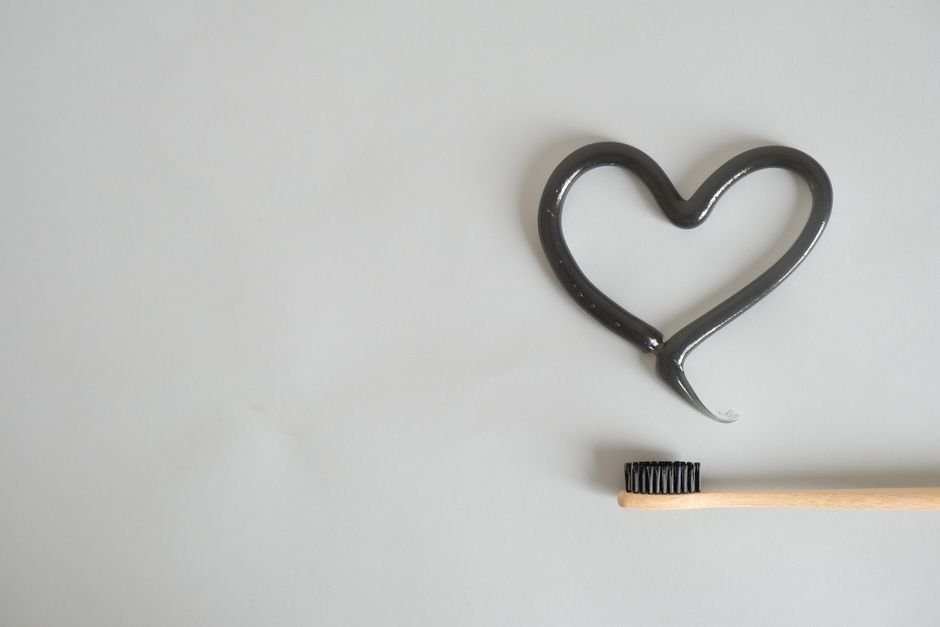
Charcoal toothpaste is not generally recommended for everyday use, because many products are abrasive enough to wear away enamel over time, and there is little reliable evidence that they whiten teeth any better than ordinary toothpaste. Occasional use is unlikely to cause serious harm for most people, but regular scrubbing with a gritty charcoal paste can leave enamel thinner, teeth more sensitive and the yellower dentine underneath more visible. Most charcoal pastes also lack fluoride, which means they offer less protection against tooth decay than a standard fluoride toothpaste.
Key takeaways
- Charcoal toothpastes can be abrasive and may wear enamel with frequent use.
- Any whitening effect is mostly surface stain removal, not a change in tooth colour.
- Many charcoal pastes contain little or no fluoride, reducing protection against decay.
- Worn enamel cannot grow back, so damage tends to be permanent.
- A fluoride toothpaste and professional advice are safer routes to a brighter smile.
What is charcoal toothpaste and why did it become popular?
Charcoal toothpaste contains activated charcoal, a fine black powder made by heating materials such as coconut shells, wood or bamboo at very high temperatures. This process creates a highly porous substance with a large surface area, which is why activated charcoal is used in some medical and filtering settings to bind other substances. Manufacturers suggest that the same property allows charcoal to draw stains and impurities away from teeth, leaving them cleaner and whiter. The striking black colour also makes it eye-catching and memorable.
Much of the popularity of charcoal toothpaste came from social media, where dramatic before-and-after photos and the novelty of brushing with black paste spread quickly. It is often marketed as natural, detoxifying or chemical-free, which appeals to people looking for alternatives to conventional products. However, popularity is not the same as proof. Dental researchers who have reviewed the available evidence have generally found that the claims made for charcoal toothpastes are not well supported, and several have raised concerns about the potential for long-term harm to enamel.
How does charcoal toothpaste affect tooth enamel?
The main concern with charcoal toothpaste is abrasiveness. Enamel is very hard, but it is not indestructible, and it can be gradually worn away by repeated scrubbing with gritty particles. Some charcoal products are considerably more abrasive than standard toothpastes, and manufacturers do not always state how abrasive their formulations are. When used every day, particularly with a hard toothbrush or a heavy brushing technique, these particles can slowly polish away the outer surface of the enamel over months and years.
The difficulty is that enamel does not regenerate. Unlike skin or bone, it has no living cells capable of repair once it has been physically worn away. Saliva and fluoride can help strengthen enamel at a microscopic level, but they cannot rebuild lost thickness. Abrasion damage therefore accumulates quietly, often without any obvious warning signs at first. By the time someone notices sensitivity or a change in the appearance of their teeth, a significant amount of enamel may already have been lost, and restorative treatment may be needed.
Does charcoal toothpaste actually whiten teeth?
Charcoal toothpaste may make teeth look slightly brighter by removing surface stains caused by tea, coffee, red wine or tobacco. However, this is mostly a mechanical effect of abrasion rather than any special property of charcoal. Ordinary whitening toothpastes also remove surface stain, often using gentler polishing agents. Importantly, charcoal cannot change the natural shade of the tooth itself, because it does not penetrate the enamel or alter the colour of the dentine beneath, which is the main factor determining how white teeth appear.
There is an ironic risk with heavy charcoal use. Dentine, the layer under the enamel, is naturally yellowish. As enamel becomes thinner through abrasion, more of that yellow dentine shows through, which can make teeth look darker or more yellow over time, the opposite of the intended result. Some people also find that tiny charcoal particles become trapped in the edges of fillings, crowns or small cracks, leaving grey or black marks. Professional whitening treatments, which use carefully controlled bleaching agents, are the proven method for genuinely lightening tooth colour.
Why does fluoride matter when choosing a toothpaste?
Fluoride is the single most important ingredient in toothpaste for preventing tooth decay. It strengthens enamel by helping it absorb minerals from saliva and forming a more acid-resistant surface. It also slows the action of the bacteria that produce acid from sugars. Decades of research support the role of fluoride toothpaste in reducing cavities, which is why dental professionals consistently recommend brushing twice a day with a fluoride paste as the foundation of a good home care routine for both children and adults.
Many charcoal toothpastes are marketed as fluoride-free, and some that do contain fluoride may not deliver it effectively, because charcoal can bind to other ingredients. Someone who switches entirely to a charcoal product may therefore lose the protective benefit they were getting from their regular paste. This is a particular concern for people who are already at higher risk of decay, such as those with a sweet diet, a dry mouth, exposed root surfaces or a history of frequent fillings. Protection from decay should always come first.
Who should avoid charcoal toothpaste completely?
Some people are more vulnerable to the downsides of charcoal toothpaste and would be wise to avoid it altogether. Anyone with sensitive teeth, visible enamel wear, receding gums or exposed root surfaces should steer clear, because roots are covered by softer cementum rather than enamel and are worn away much more easily. People who already brush too hard or use a hard-bristled brush are also at greater risk of abrasion damage, and adding a gritty paste to that habit can accelerate the problem considerably.
Those with crowns, veneers, bonding or tooth-coloured fillings should also be cautious. Abrasive particles can dull the polished surface of these restorations, and charcoal can sometimes collect in the margins where the restoration meets the natural tooth, leaving dark lines that are difficult to remove. Children should use a toothpaste with an age-appropriate fluoride level rather than a charcoal product. If you are unsure whether charcoal toothpaste is suitable for you, it is sensible to ask your dentist or hygienist at your next visit.
What are the signs that your enamel may be wearing away?
Enamel wear tends to develop slowly, so it helps to know what to look out for. Increased sensitivity to hot, cold, sweet or acidic food and drink is one of the most common early signs, because thinning enamel offers less insulation for the nerve inside the tooth. You might also notice that your teeth look more yellow, particularly near the gumline, or that the biting edges of your front teeth appear slightly translucent, glassy or chipped. Teeth may also begin to feel smoother or look flatter.
Other signs include small notches near the gumline, where the tooth meets the gum, which can be caused by aggressive brushing combined with abrasive products. Some people notice that fillings appear to stand proud of the surrounding tooth as the natural enamel around them wears down. If you spot any of these changes, it is worth stopping any abrasive products and booking a dental assessment. A dentist can measure the extent of the wear, identify the likely causes and recommend ways to protect the teeth from further damage.
Safer ways to achieve a brighter, healthier smile
For most people, a standard fluoride toothpaste used twice a day with a soft or medium toothbrush is the best foundation. If surface stains are a concern, a whitening toothpaste with a low to moderate abrasiveness can help, and many are designed to be gentle enough for daily use. Limiting staining drinks, rinsing with water after coffee or tea and drinking through a straw can also reduce the build-up of discolouration. Stopping smoking makes a noticeable difference to both stain levels and overall gum health.
Regular professional cleaning by a dentist or hygienist removes stubborn stains and hardened tartar safely, using techniques that protect enamel. If you want a genuine change in tooth shade, professionally supervised whitening is the most reliable and predictable option, because the bleaching agents and their strength are carefully controlled. Your dentist can also check whether any discolouration is caused by something that needs treatment, such as decay, an old filling or a tooth that has been damaged, before you try to whiten it.
If you still want to try charcoal toothpaste, how can you reduce the risk?
If you decide to try a charcoal toothpaste, treat it as an occasional extra rather than a replacement for your regular paste. Using it no more than once or twice a week, alongside a daily fluoride toothpaste, limits the opportunity for abrasion to build up. Choose a product that contains fluoride and, ideally, one that publishes its abrasiveness rating. Brush gently with a soft-bristled toothbrush, using small circular movements rather than hard back-and-forth scrubbing, and avoid pressing down firmly on the teeth.
Pay attention to how your teeth feel and look over the following weeks. If you notice any new sensitivity, changes in colour near the gumline or dark marks around fillings, stop using the product and speak to your dentist. Avoid charcoal powders that are applied directly to the teeth, as these tend to be even more abrasive than pastes. Above all, remember that no single product can replace the basics: twice-daily fluoride brushing, cleaning between the teeth, a sensible diet and regular dental checkups.
Frequently Asked Questions
Can charcoal toothpaste damage tooth enamel?
Charcoal toothpaste can damage enamel if it is abrasive and used frequently. Repeated scrubbing with gritty particles gradually wears the enamel surface, and because enamel cannot grow back, this loss is permanent and may lead to sensitivity and discolouration.
Does charcoal toothpaste whiten teeth permanently?
Charcoal toothpaste does not change the natural colour of teeth. It may remove some surface stains through abrasion, but it cannot lighten the tooth itself. Professionally supervised whitening is the reliable way to change the shade of natural teeth.
Is charcoal toothpaste safe for people with sensitive teeth?
Charcoal toothpaste is generally not a good choice for people with sensitive teeth. Its abrasiveness can wear away more enamel and expose more dentine, which is likely to make sensitivity worse. A toothpaste designed for sensitive teeth is usually a better option.
Do charcoal toothpastes contain fluoride?
Many charcoal toothpastes contain little or no fluoride, and some are marketed specifically as fluoride-free. Because fluoride is the most important ingredient for preventing tooth decay, using a fluoride-free charcoal paste on its own may leave teeth less protected.
How often is it safe to use charcoal toothpaste?
If someone chooses to use charcoal toothpaste, limiting it to once or twice a week alongside a regular fluoride toothpaste reduces the risk of enamel wear. Brushing gently with a soft toothbrush and stopping if sensitivity develops are also sensible precautions.