

Breathing through your mouth dries out the saliva that normally protects your teeth and gums, which raises the risk of tooth decay, gum inflammation, bad breath and enamel erosion. In children, long-term mouth breathing can also influence how the jaws and face develop, contributing to crowded teeth and bite problems. Identifying and treating the cause, often a blocked nose or enlarged tonsils, helps protect oral health.
Key takeaways
- Saliva neutralises acid, washes away food and helps repair enamel, and mouth breathing dries it out.
- A dry mouth makes decay, gum inflammation and bad breath more likely, especially overnight.
- In growing children, habitual mouth breathing can affect jaw development and the alignment of teeth.
- Common causes include nasal congestion, allergies, enlarged tonsils or adenoids, and habit.
- Dentists, doctors and ear, nose and throat specialists often work together to treat the underlying cause.
Why Does Saliva Matter So Much for Your Teeth?
Saliva is one of the mouth’s most important natural defences. It constantly rinses away food debris and bacteria, dilutes the sugars we eat and contains buffers that neutralise the acids produced by plaque bacteria. Those acids are what dissolve enamel and cause cavities, so a steady supply of saliva keeps the mouth closer to a neutral, tooth-friendly balance. Saliva also carries calcium and phosphate, the minerals enamel needs to repair microscopic damage between meals.
When you breathe through your nose, the lips usually stay closed and the mouth remains moist. Breathing through the mouth, on the other hand, moves a constant stream of air over the teeth, gums and tongue, evaporating saliva and leaving the surfaces dry. Without that protective film, bacteria multiply more easily, plaque becomes stickier and acid lingers for longer. Over months and years, a mouth that is regularly dried out in this way becomes noticeably more vulnerable to dental disease.
What Dental Problems Can Mouth Breathing Cause?
Tooth decay is one of the most common consequences. With less saliva to neutralise acid, even a well-brushed mouth can develop cavities, particularly along the gum line and on the front teeth that are most exposed to airflow. Mouth breathers also tend to have more gum inflammation, known as gingivitis, especially around the upper front teeth. The gums may look red, swollen and shiny and bleed easily when brushed, because drying irritates the tissue and allows plaque to build up.
Bad breath is another frequent complaint. Bacteria that produce unpleasant-smelling compounds thrive in a dry environment, which is why breath is often worst first thing in the morning after a night of breathing through the mouth. Some people also notice increased sensitivity, a coated tongue, cracked lips and a sore throat on waking. Over time, the combination of acid and reduced saliva can contribute to enamel erosion, leaving teeth looking duller and feeling more sensitive to hot and cold.
How Does Mouth Breathing Affect Children’s Jaw and Facial Development?
In growing children the effects can go beyond decay and gum problems. When a child breathes through the nose, the tongue normally rests against the roof of the mouth, gently supporting the width of the upper jaw as it grows. In habitual mouth breathers, the tongue tends to sit low in the mouth instead, and the lips stay apart. Over time this posture can contribute to a narrow upper jaw, a high arched palate and less room for the adult teeth to come through.
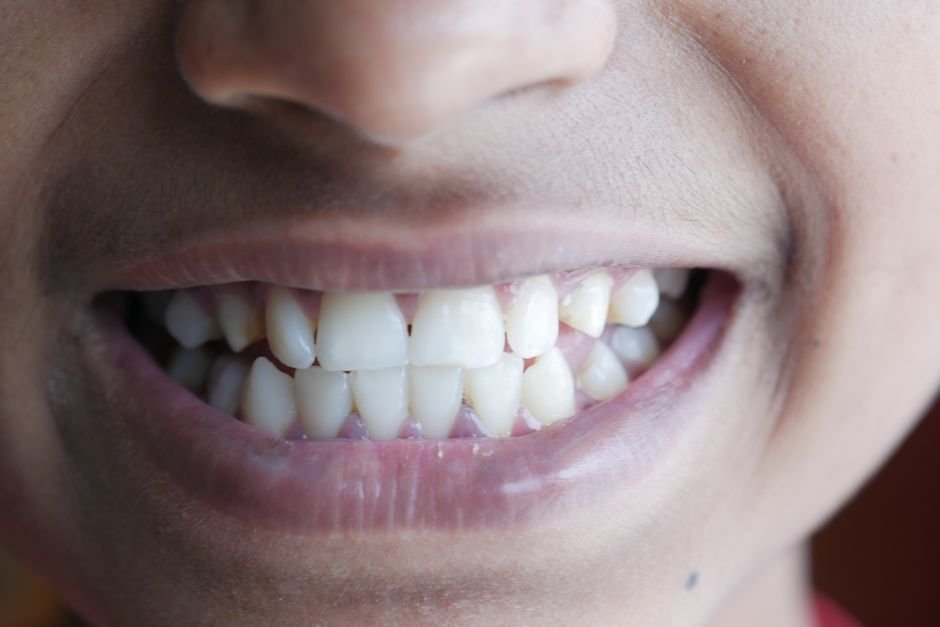
The result may be crowded teeth, a crossbite, an open bite where the front teeth do not meet, or protruding upper front teeth. Some children develop what is sometimes described as a long, narrow face with a gummy smile and lips that do not close comfortably at rest. These changes develop gradually, which is why early identification is so valuable. Addressing the cause of mouth breathing during the growth years gives the best chance of guiding the jaws towards healthier development and can reduce the complexity of later orthodontic treatment.
What Causes People to Breathe Through Their Mouth?
Most mouth breathing begins because something makes nasal breathing difficult. Short-term blockages such as colds, sinus infections and hay fever are common triggers, and ongoing allergies can keep the nasal passages congested for long periods. In children, enlarged tonsils or adenoids are a frequent cause, as they can physically narrow the airway at the back of the nose and throat. Structural issues such as a deviated nasal septum or nasal polyps can have a similar effect in adults.
Sometimes the original blockage clears but the habit remains. A person who learnt to breathe through the mouth during a long period of congestion may continue to do so out of habit, particularly while asleep. Certain sleeping positions, sleep-disordered breathing and some medications that cause a dry or blocked nose can also play a part. Because the causes vary so widely, it is important to look beyond the mouth itself and consider the nose, throat and overall breathing pattern.
What Are the Warning Signs of Mouth Breathing?
Many people are unaware that they breathe through their mouth, especially at night, so it often falls to partners or parents to notice. Typical signs include snoring, sleeping with the mouth open, waking with a dry mouth or sore throat, and drooling on the pillow. During the day, the lips may rest apart and the person may seem to breathe noisily. Persistent bad breath, chapped lips and frequent thirst on waking are also common clues.
In children, parents might notice dark circles under the eyes, restless sleep, daytime tiredness, difficulty concentrating or irritability, as poor-quality sleep can affect behaviour and learning. The dentist may spot red, swollen gums around the upper front teeth, a narrow upper arch, crowding or an unusual bite. If you recognise several of these signs, it is worth raising them at your next dental appointment or with your doctor so the cause can be properly assessed.
How Is Mouth Breathing Diagnosed and Treated?
Diagnosis usually starts with a conversation about symptoms, sleep and medical history, followed by an examination of the mouth, nose and throat. Your dentist may notice tell-tale changes in the gums, teeth and jaw shape, and will often refer on to a doctor or an ear, nose and throat specialist to investigate the airway. Allergy testing, an assessment of the tonsils and adenoids, or a sleep study may be recommended depending on what is found.
Treatment targets the underlying cause. Allergies may be managed with medication and by reducing exposure to triggers, while enlarged tonsils or adenoids are sometimes removed if they are significantly obstructing breathing. Structural nasal problems can be corrected surgically. For children with narrow jaws, orthodontic appliances that gently widen the upper arch may help. Some people benefit from myofunctional therapy, a set of exercises that retrain the tongue, lips and breathing pattern so that nasal breathing becomes the natural default again.
How Can You Protect Your Teeth if You Breathe Through Your Mouth?
While the cause is being addressed, there is plenty you can do to protect your teeth and gums. Brush twice daily with a fluoride toothpaste and clean between the teeth every day, paying extra attention to the gum line of the upper front teeth. Your dentist may recommend a higher-strength fluoride toothpaste or professional fluoride varnish if your decay risk is raised. Sipping water regularly throughout the day keeps the mouth moist and helps rinse away food.
Limit sugary snacks and acidic drinks, especially before bed, when saliva flow naturally slows. Sugar-free gum or lozenges can stimulate saliva during the day, and a humidifier in the bedroom may ease night-time dryness. Products designed for dry mouth, such as saliva substitutes or moisturising gels, can provide relief. Keep up regular dental check-ups so that early decay, gum inflammation or changes in the bite can be spotted and managed before they become more serious.
Frequently Asked Questions
Can mouth breathing cause cavities even if I brush well?
Yes. Mouth breathing reduces saliva, which normally neutralises acid and helps repair enamel. Even with good brushing, a persistently dry mouth allows acid to stay on the teeth for longer, so people who breathe through their mouth can develop cavities more readily than nasal breathers with similar habits.
Does mouth breathing cause bad breath?
Mouth breathing is a common cause of bad breath. A dry mouth allows odour-producing bacteria to multiply on the tongue and around the teeth, which is why breath is often worst on waking. Treating the cause of mouth breathing and keeping the mouth moist usually improves breath noticeably.
Can mouth breathing change the shape of a child’s face?
Long-term mouth breathing during childhood can influence how the jaws grow. A low tongue position and open lips may contribute to a narrow upper jaw, crowded teeth and bite problems. Identifying and treating the cause early gives the best chance of supporting healthy facial and jaw development.
Is mouth taping a safe way to stop mouth breathing at night?
Mouth taping is promoted online, but it is not suitable for everyone and should not be tried without professional advice, particularly for children or anyone with a blocked nose or suspected sleep-disordered breathing. A dentist or doctor should first check that the nasal airway is clear and safe to rely on.
Who should I see about mouth breathing, a dentist or a doctor?
Either is a good starting point. A dentist can identify the effects on teeth, gums and jaw growth, while a doctor or ear, nose and throat specialist can investigate the nose and airway. In many cases the best results come from these professionals working together on a combined plan.