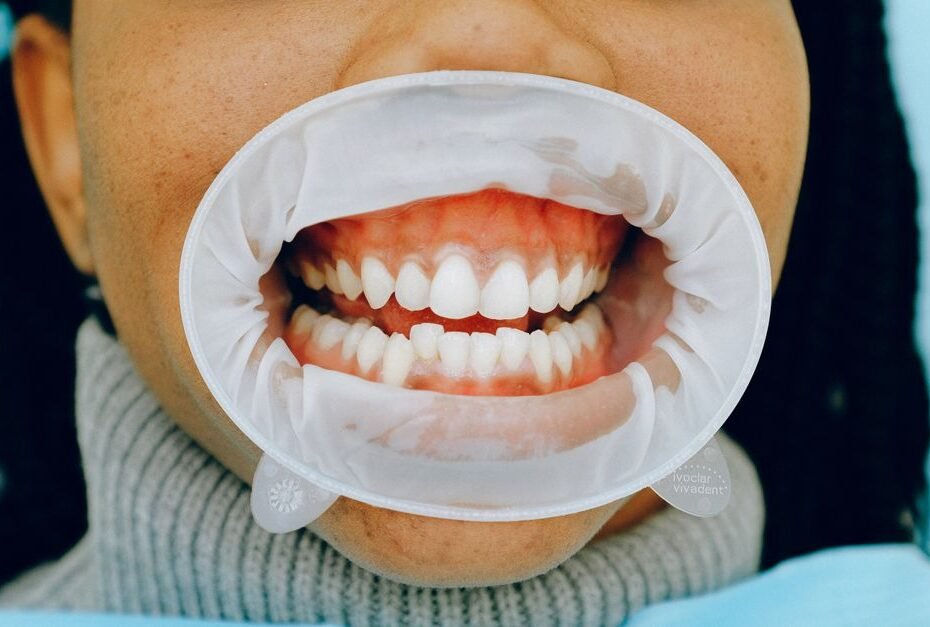



Early tooth decay often shows up as a dull white or chalky spot on the enamel, mild sensitivity to sweet, hot, or cold foods, and slight roughness you can feel with your tongue. You might also notice food catching in the same place, faint brown or grey staining in the grooves of a tooth, or on-and-off twinges that come and go. At this stage there is usually no pain, no hole you can see, and no swelling. Because early decay can be slowed or even reversed, recognising these subtle signs and acting on them quickly makes a real difference.
Key takeaways
- The earliest sign is a white or chalky spot where enamel has lost minerals.
- Mild sensitivity to sweet, hot, or cold is common before any cavity forms.
- Early decay is often painless, which is why check-ups catch it sooner than you can.
- White spot lesions can remineralise with fluoride, better cleaning, and less sugar.
- Once a hole forms, the damage is permanent and needs a filling.
What does early tooth decay look like?
The first visible change is usually a white spot near the gumline or on the chewing surface. This is where acid produced by plaque bacteria has drawn minerals out of the enamel, leaving it more porous and less shiny than the surrounding tooth. The spot may look brighter white than the rest of the tooth, especially when it is dried with air. At this point the surface is still intact, so it is not yet a true cavity.
As decay progresses, the white spot can turn light brown or grey as stains soak into the weakened enamel. Eventually the surface breaks down and a small pit or hole appears, often in a groove on a back tooth or between two teeth where it is hard to see. Recognising the change while it is still a white spot gives the best opportunity to stop it going further.
Can you feel early decay before you see it?
Often the first clue is a feeling rather than a mark. Weakened enamel lets temperature and sugar reach the sensitive layer beneath more easily, so you may notice a brief sting when you eat ice cream, drink something hot, or bite into something sweet. The sensation usually fades quickly once the trigger is removed, which is different from the lingering ache of more advanced decay.
You might also feel a rough or catchy patch when you run your tongue over a tooth, or notice that dental floss snags or shreds in one particular gap. Food packing into the same spot after meals can be another sign that the tooth surface or the contact between two teeth has started to break down. None of these feelings prove decay on their own, but together they are worth mentioning to your dentist.
Why is early decay often painless?
Enamel has no nerve supply, so damage confined to the outer layer does not hurt. The dentine underneath contains tiny tubes that connect to the nerve, but in the early stages the tooth lays down protective mineral to insulate itself, which keeps discomfort mild or absent. Real pain tends to arrive only once decay reaches deep dentine or approaches the pulp, by which time a filling or more is needed.
This is why waiting for a toothache is a poor way to catch decay. By the time a tooth aches, the simple window for reversal has usually closed. Regular dental examinations and X-rays are designed to find decay at the stage when it causes no symptoms, which is exactly when treatment is simplest and most tooth can be saved.
Where does early decay usually start?
Three areas are most vulnerable. The deep grooves on the biting surfaces of back teeth trap food and plaque and are difficult to clean fully with a brush. The spaces between teeth, where surfaces touch, are hard to reach without floss or interdental brushes. And the strip of tooth right at the gumline collects plaque if brushing is rushed or the gums have receded slightly.
Decay can also begin around the edges of old fillings or under the contact points of crowns and bridges, where a tiny gap can let bacteria in. If you wear a partial denture or orthodontic appliance, the areas where it touches the teeth need extra attention. Knowing your own high-risk spots helps you focus your cleaning and check them in the mirror.
Which habits make early decay more likely?
Frequent snacking and sipping sugary or acidic drinks keep the mouth in an acid state for long periods, giving enamel little time to recover between attacks. It is the number of times you eat sugar during the day, more than the total amount, that drives decay. Grazing on biscuits, sweets, dried fruit, or sweetened coffee throughout the day is particularly damaging.
A dry mouth also raises the risk, because saliva neutralises acid and delivers minerals back to the enamel. Some medicines, mouth breathing, and dehydration reduce saliva flow. Skipping the nightly brush, brushing without fluoride toothpaste, or never cleaning between the teeth all allow plaque to mature and produce more acid where it is hardest to remove.
Can early tooth decay be reversed?
A white spot lesion, where the enamel surface is still unbroken, can often be halted and partly repaired. Fluoride from toothpaste, mouthrinse, or a professional application helps rebuild the mineral structure, while cutting the frequency of sugar removes the acid that caused the problem. Cleaning plaque off that specific spot every day is essential, because minerals cannot return to a surface that stays coated in bacteria.
Reversal is only possible before a physical hole forms. Once the surface collapses into a cavity, the lost structure cannot grow back and a filling is required to seal it and stop further spread. This is the core reason dentists talk about catching decay early: the difference between a white spot and a cavity is the difference between prevention and repair.
How does a dentist detect early decay?
During an examination the dentist dries and inspects each tooth under good light, looking for white spots, discoloration, and surface changes in the grooves and around fillings. They may gently check suspicious areas and assess how the enamel looks when air is directed onto it. Changes that are invisible to you are often clear under magnification.
Bitewing X-rays are the main tool for finding decay between teeth, where the eye cannot reach. They show early lesions as faint shadows in the enamel before any cavity is visible. Some practices also use light-based or laser detection devices to measure changes in tooth density. Comparing findings with previous records lets the dentist see whether a spot is stable or getting worse.
What should you do if you notice the signs?
Book a dental appointment rather than waiting to see if the sensitivity settles. In the meantime, brush twice a day with fluoride toothpaste, spitting rather than rinsing so the fluoride stays on the teeth longer, and clean between your teeth once a day. Reduce how often you have sugary or acidic food and drink, and have water between meals instead of juice or fizzy drinks.
If your dentist confirms an early white spot, they may recommend a higher-strength fluoride product, a specific cleaning technique for that area, and a review in a few months to check progress. If a cavity has already formed, a small filling now prevents a larger, more complicated repair later. Either way, adjusting the habits that caused the decay protects the rest of your teeth.
Frequently Asked Questions
Is a white spot on my tooth always decay?
Not always. White spots can also come from excess fluoride during childhood, enamel that formed unevenly, or plaque left sitting on the tooth. A dentist can tell the difference by looking at the shape, location, and surface texture. A decay-related white spot is usually near the gumline or in a groove and appears where plaque tends to collect.
Can I fix early decay with toothpaste alone?
Fluoride toothpaste is a key part of stopping early decay, but it works best combined with cleaning plaque off the affected spot daily and cutting how often you eat sugar. Toothpaste cannot repair a surface that stays covered in plaque or keeps being bathed in acid. Your dentist may also suggest a stronger fluoride product for a limited period.
How quickly does early decay turn into a cavity?
It varies widely. With high sugar intake, poor cleaning, and low saliva flow, a white spot can break down within months. With good habits and fluoride, the same spot may stay stable for years or improve. The speed depends on the balance between acid attacks and the mouth’s natural repair processes.
Does early decay show up on X-rays?
Yes, particularly decay between teeth, which X-rays reveal as faint changes in the enamel before a hole is visible or causes symptoms. This is why dentists take bitewing X-rays at intervals they judge appropriate for your risk level. Surface white spots are usually found by direct examination rather than X-ray.
Should mild tooth sensitivity worry me?
Occasional short-lived sensitivity is common and not always a sign of decay; it can come from enamel wear, gum recession, or a recent dental visit. Sensitivity that is new, focused on one tooth, or linked to sweet foods is worth having checked. Persistent or worsening sensitivity, especially with lingering pain, should be assessed promptly.