

A realistic at-home oral care routine is one you can repeat every day without effort or resentment. At its core it needs just three habits: brushing for two minutes twice a day with fluoride toothpaste, cleaning between your teeth once a day, and keeping sugary and acidic snacking to set mealtimes. Everything else, such as tongue cleaning, mouthrinse, or a water flosser, is an optional extra that helps only if the basics are already in place. The best routine is not the most elaborate one; it is the simplest one you will actually stick to for years.
Key takeaways
- Consistency matters more than adding steps: brush twice, clean between teeth once, daily.
- Anchor new habits to existing routines so they need no willpower to remember.
- Choose tools you find comfortable, because comfort drives regular use.
- Spit after brushing rather than rinsing, so fluoride stays on the teeth.
- Review the routine with your dentist and adjust it to your personal risk.
Why does consistency beat complexity?
Dental problems build up slowly from plaque that is left in the same places day after day. A basic routine done every single day removes that plaque before it can cause harm. An advanced routine with six steps that you follow twice a week, then abandon when life gets busy, leaves those same areas untouched most of the time. The mouth does not reward good intentions, only regular removal of plaque.
This is encouraging, because it means you do not need special products or a long ritual to keep your teeth and gums healthy. You need a short set of actions repeated reliably. When you are designing your routine, judge each possible step by one question: will I still be doing this in a year? If the honest answer is no, leave it out and focus on the parts you can sustain.
How do you make brushing a habit that sticks?
Attach brushing to something you already do without thinking. Most people brush after waking and before bed, so link it firmly to those fixed points: brush straight after your morning shower, or immediately after setting your alarm at night. Keeping the brush and toothpaste visible on the counter rather than in a cupboard removes a small barrier that can be enough to skip it when tired.
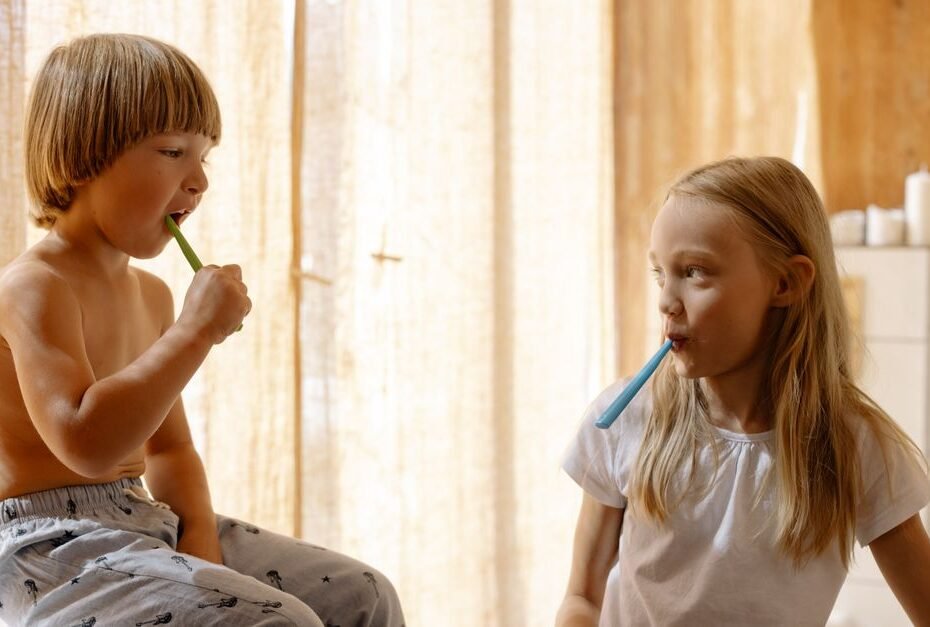
Two minutes feels long until you fill it. Play a short song, use the timer on an electric brush, or split your mouth into four sections and spend thirty seconds on each. Brush at a gentle angle towards the gumline with small movements, and do not scrub hard, as pressure damages gums and enamel without cleaning better. If mornings are rushed, brush before breakfast rather than skipping it.
What is the easiest way to clean between your teeth?
The gaps between teeth make up around a third of each tooth‘s surface and a toothbrush cannot reach them. The single most important thing is to clean there once a day with whatever tool you will actually use. For many people, small interdental brushes are quicker and easier than string floss; for tight contacts, floss or floss picks work better. A water flosser suits those who dislike both.
Pick a consistent time. Doing it before your evening brush means any dislodged plaque is then brushed away and you are not too tired to bother. If daily feels unachievable at first, start with three times a week and build up rather than aiming for perfection and quitting. Bleeding when you begin is common and usually settles within a week or two of regular cleaning.
Should mouthwash be part of the routine?
Mouthwash is optional. A fluoride rinse used at a separate time from brushing, such as after lunch, can give teeth extra protection, which may help people prone to decay. Antibacterial rinses can be useful for a limited period if a dentist recommends them for gum inflammation. For most people with healthy mouths and good brushing habits, mouthwash adds freshness but little essential benefit.
If you do use it, avoid rinsing right after brushing, because that washes away the concentrated fluoride from your toothpaste. Use it at another point in the day instead. Alcohol-free versions are gentler on the soft tissues and less likely to cause dryness. Never let mouthwash become a substitute for brushing or cleaning between teeth; it cannot remove plaque that is stuck to the tooth.
How does diet fit into an at-home routine?
What you eat and, more importantly, how often you eat it has a direct effect on your teeth. Every time you consume sugar or acid, the mouth becomes acidic for a while and enamel loses minerals until saliva restores the balance. Frequent snacking and sipping sweet drinks keep the mouth acidic for hours. Confining sugary and acidic items to mealtimes gives your teeth long recovery periods in between.
Simple swaps make this realistic: drink water rather than juice or fizzy drinks between meals, keep sweet treats as part of a meal rather than a mid-afternoon habit, and finish snacks in one sitting instead of grazing. You do not have to eliminate sugar; you have to reduce the number of separate acid attacks your teeth face each day.
Which tools are actually worth buying?
A soft-bristled toothbrush and a fluoride toothpaste are the essentials, and both can be inexpensive. An electric toothbrush is not required, but the built-in timer and consistent movement help many people brush more thoroughly, so it can be a worthwhile upgrade if brushing technique is a struggle. Replace any brush head every three months or sooner if the bristles splay.
For between-teeth cleaning, buy a small pack of the interdental brush sizes your dentist suggests, or a comfortable floss. A tongue scraper is cheap and helps with breath freshness if that concerns you. Skip novelty products, charcoal pastes, and anything promising dramatic whitening, as these often do more harm than good and distract from the habits that matter.
How do you keep the routine going when life gets busy?
Plan for bad days in advance. Keep a spare toothbrush and travel toothpaste in your bag or at work so a night away from home does not break the chain. On evenings when you are exhausted, tell yourself you only have to do the bare minimum: a quick fluoride brush and spit. A short imperfect clean is far better than none, and it keeps the habit alive.
Track it loosely if that helps. Ticking a calendar or using a phone reminder for the first few weeks builds the pattern until it becomes automatic. Avoid the all-or-nothing trap, where missing one day feels like failure and leads to giving up entirely. Missing occasionally is normal; the goal is a routine that survives those gaps and resumes the next day.
When should you adjust your routine?
Your routine is not fixed for life. Tell your dentist what you currently do and ask whether it matches your needs. Someone with a history of gum disease may need interdental cleaning twice a day and a specific brushing method. Someone prone to decay may benefit from a high-fluoride toothpaste. Changes such as pregnancy, new medication that dries the mouth, orthodontic treatment, or gum recession all call for a review.
Pay attention to warning signs between visits: bleeding gums that do not improve after two weeks of good cleaning, persistent bad breath, sensitivity, or teeth that look longer as gums recede. These are cues to see your dentist and refine your approach rather than to add random products. A routine that evolves with your mouth stays effective.
Frequently Asked Questions
Is it better to brush before or after breakfast?
Both can work. Brushing before breakfast clears overnight plaque and coats teeth with fluoride before you eat. If you prefer to brush after breakfast, wait about thirty minutes if you have had something acidic like fruit juice, because enamel is temporarily softened and brushing straight away can wear it. The key point is that you brush at all, twice a day.
Do I really need to clean between my teeth every day?
Yes. A toothbrush leaves roughly a third of each tooth’s surface untouched, and the gaps between teeth are where decay and gum disease commonly start. Daily cleaning with floss or interdental brushes removes plaque before it hardens. If daily feels hard at first, build up gradually, but daily is the target for a healthy mouth.
Should I rinse with water after brushing?
It is better to spit out excess toothpaste and not rinse with water. Rinsing washes away the concentrated fluoride that would otherwise keep protecting your teeth for a while after brushing. If you use mouthwash, use it at a different time of day, such as after lunch, rather than immediately after brushing.
How long should a realistic routine take?
About two minutes of brushing plus one to two minutes of cleaning between teeth, twice a day for the brushing and once for the interdental cleaning. That is roughly five minutes total across the day. Anything much longer risks becoming a chore you skip, and anything much shorter usually means plaque is being left behind.
What is the most common mistake people make?
Brushing too hard and too fast, then skipping between-teeth cleaning entirely. Hard scrubbing damages gums and enamel without removing more plaque, and neglecting the gaps leaves the highest-risk areas uncleaned. Gentle, thorough brushing for the full two minutes, combined with daily interdental cleaning, corrects both problems.