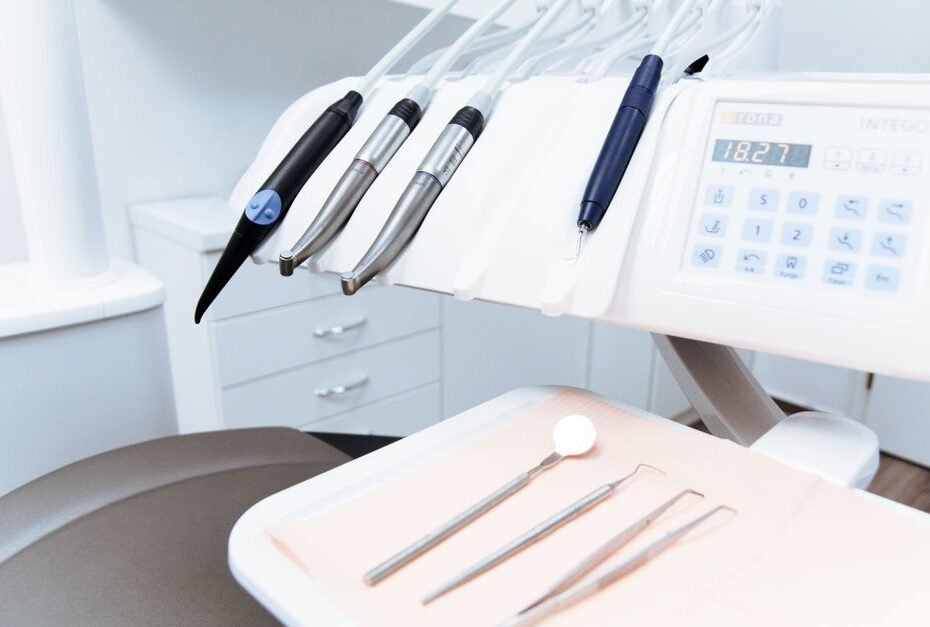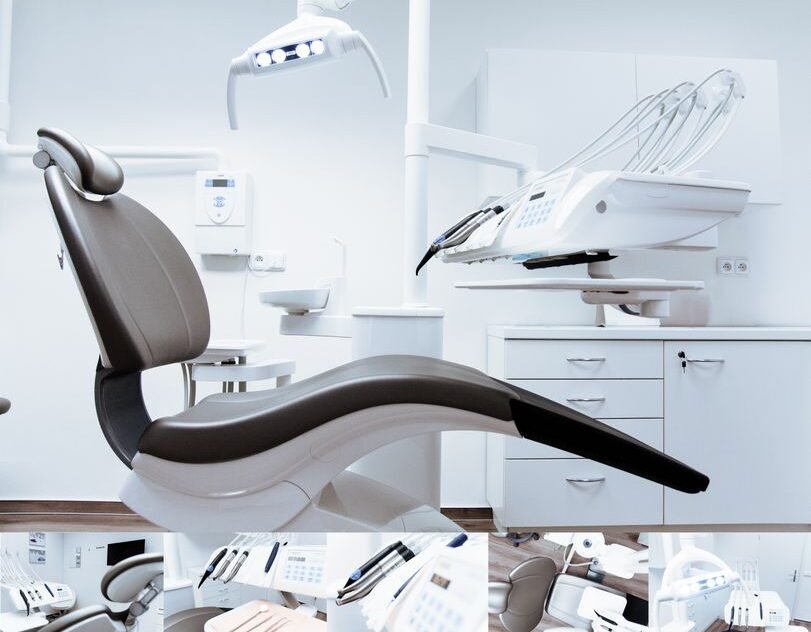


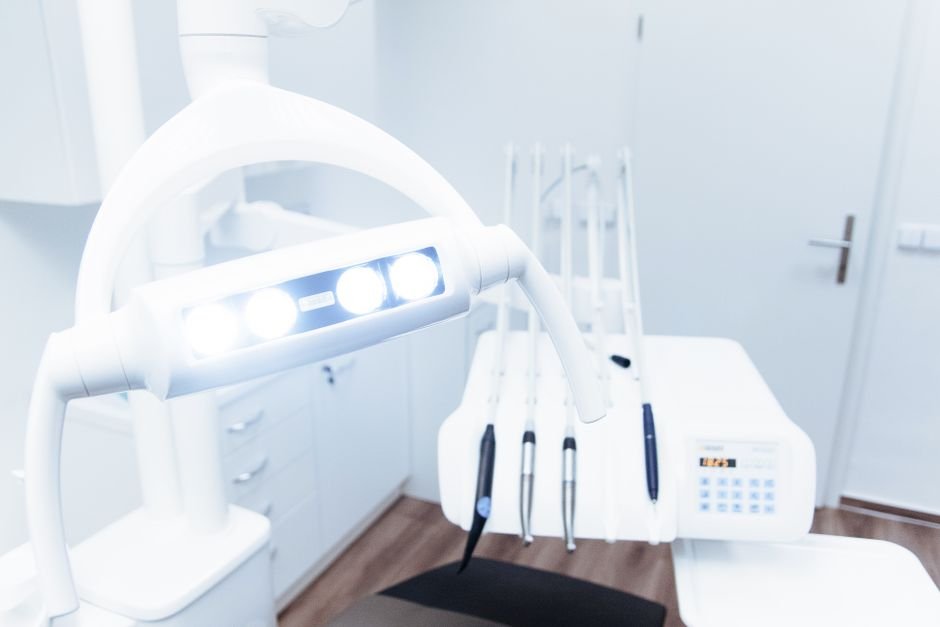
Dental appointments are getting shorter mainly because digital tools now do in minutes what used to take much longer with manual methods, from imaging and impressions to designing and even producing restorations chairside. Digital scanners, faster imaging systems, computer-aided design and manufacturing, and improved practice software all shave time off individual steps, and together they add up to noticeably quicker visits for many routine and restorative procedures.
Key takeaways
- Digital imaging and intraoral scanners have replaced many slower manual steps in diagnosis and treatment planning.
- CAD/CAM technology allows some restorations to be designed and produced within a single visit.
- Laser tools can speed up certain procedures while reducing the need for extended recovery time.
- Modern practice management software reduces administrative delays that used to add time to appointments.
- Faster does not mean lower quality; many of these tools also improve precision.
Why did dental appointments used to take so long?
Traditional dental workflows relied heavily on manual processes that were accurate but slow. Taking a physical impression with a tray of putty-like material required several minutes of set time, and if the impression came out imperfect, the whole process had to be repeated. Film-based X-rays needed to be developed before a clinician could review them, adding further waiting time before any actual treatment could begin.
Restorations such as crowns often could not be completed in a single visit at all, because the piece had to be fabricated in an external laboratory. This meant a temporary restoration was fitted, the patient was sent home, and a second appointment was booked weeks later once the permanent piece arrived. Each of these steps, while reliable, stretched out both the length of individual appointments and the overall time needed to complete treatment from start to finish.
How has digital imaging changed the way dentists work?
Digital X-ray systems produce an image almost instantly on a screen, removing the developing time that traditional film required. This means a clinician can review the image, discuss it with the patient, and move directly into treatment planning within the same appointment, rather than waiting for film to process in a separate room. The image quality can also be adjusted digitally, reducing the need for repeat X-rays due to poor exposure or angle.
Beyond speed, digital imaging systems typically use lower radiation levels than older film-based equipment, which is a welcome side benefit rather than the main point of the shift. Images can be enlarged, compared side by side, or shared instantly between different parts of a practice, which streamlines communication during a visit. All of this trims the time a patient spends waiting between the imaging step and the actual clinical work that follows it.
What role do intraoral scanners play in speeding up visits?
Intraoral scanners have largely replaced the traditional putty-based impression for many procedures. Instead of biting into a tray of material and waiting for it to set, a small wand is used to capture a detailed digital map of the teeth and gums within a few minutes. This is generally more comfortable for the patient and removes the risk of a poorly set impression needing to be redone.
Because the resulting scan is already digital, it can be sent electronically to a laboratory or milling machine without any physical shipping delay. This cuts out a step that used to add days to a treatment timeline and, in some cases, allows the design and production process to begin almost immediately after the scan is taken. The result is fewer appointments overall and less time spent in the chair for the scanning step itself.
How is CAD/CAM technology cutting down treatment time?
Computer-aided design and computer-aided manufacturing, commonly shortened to CAD/CAM, allows a restoration such as a crown or veneer to be designed on a computer using the digital scan of a patient’s mouth. Software helps the clinician shape the restoration precisely to fit the surrounding teeth and bite, a process that used to rely on a technician manually sculpting a model by hand in a separate laboratory.
Once the design is finalised, some practices use an in-house milling machine to produce the restoration from a solid block of material within the same visit. This same-day approach means a patient can walk in with a damaged tooth and walk out with a finished, permanent restoration, avoiding the temporary restoration and follow-up appointment that used to be standard. Not every practice offers this in-house capability, but where it exists, it meaningfully shortens overall treatment time.
Can laser dentistry make procedures faster?
Laser tools are increasingly used for certain soft tissue procedures, such as reshaping gum tissue or treating some forms of gum disease. Because a laser can often achieve a precise result with minimal bleeding, procedures that once required more time for haemostasis and stitching can sometimes be completed more quickly and with less need for extensive aftercare instructions.
Lasers are not a universal replacement for traditional instruments and are better suited to specific applications rather than every type of procedure. Where they are appropriate, though, patients often experience a smoother appointment with less discomfort during recovery, which indirectly reduces the total time associated with a course of treatment, since fewer follow-up visits for complications tend to be needed afterwards.
How does better software improve appointment efficiency?
Beyond clinical tools, the software that runs the administrative side of a dental practice has a real impact on how smoothly an appointment flows. Digital scheduling systems reduce overlaps and gaps between patients, while electronic health records allow a clinician to pull up a patient’s full history instantly rather than searching through paper files before beginning an examination.
Integrated systems also allow imaging, treatment notes, and billing information to be linked together, cutting down on repeated data entry and reducing the small delays that used to accumulate throughout a visit. While patients may not directly see this software running in the background, its effect is felt in shorter waiting times and appointments that move from one stage to the next with less friction than in a paper-based practice.
Are same-day restorations really possible for most patients?
Same-day restorations are increasingly common, particularly for single crowns, veneers, and some types of fillings, where the combination of an intraoral scanner and an in-house milling unit allows the entire process to be completed in one sitting. This is a significant shift from the traditional model, which often required a temporary restoration and a second visit weeks later.
That said, same-day treatment is not suitable for every situation. More complex cases involving multiple teeth, extensive bite adjustments, or additional procedures such as gum treatment may still require more than one appointment, regardless of the technology available. Whether a same-day approach is appropriate depends on the specific clinical situation, and a dental professional will assess this on a case-by-case basis rather than assuming every patient qualifies.
What does faster technology mean for the overall patient experience?
Shorter appointments driven by better technology generally translate into a more comfortable experience for patients. Less time spent with an impression tray in the mouth, fewer repeat X-rays, and the possibility of completing treatment in a single visit all reduce the physical and time burden that a trip to the dentist used to involve. This can also make it easier for patients to fit dental care around work and family commitments.
These efficiencies also tend to free up a clinician’s time to focus more directly on patient communication and care quality during the appointment, rather than on repetitive manual tasks. As adoption of these tools continues to spread across practices of different sizes, the gap between a traditional, longer appointment and a streamlined, technology-assisted one is likely to keep narrowing for a growing range of procedures.
Frequently Asked Questions
Do faster dental appointments mean lower quality care?
Not necessarily. Many of the technologies that speed up appointments, such as digital scanners and CAD/CAM design, also improve precision compared with older manual methods. Speed and quality are not mutually exclusive when the underlying technology is well suited to the procedure being performed.
Will digital scanning replace the need for X-rays entirely?
No. Intraoral scanners capture the visible surface of the teeth and gums, but they cannot see below the surface or inside the tooth. X-rays remain necessary for detecting issues such as decay between teeth or below the gumline, so the two technologies serve different, complementary purposes.
Are same-day crowns as durable as traditional lab-made ones?
Same-day crowns produced with modern CAD/CAM materials are generally designed to be just as durable as traditionally made ones for most everyday situations. The right choice of material and technique depends on the specific tooth and bite forces involved, which a dental professional will assess individually.
Does new dental technology make appointments more expensive?
The cost of adopting new equipment varies between practices, and pricing for treatment depends on many factors beyond the technology used. In many cases, the reduction in the number of appointments needed can offset some of the added equipment costs from the patient’s perspective, though this varies by practice and procedure.
Will all dental practices eventually use this kind of technology?
Adoption is spreading steadily, but the pace varies depending on practice size, patient demand, and the cost of specialised equipment. Larger practices and those focused on restorative work tend to adopt these tools sooner, while smaller practices may introduce them more gradually over time.