
Hormonal changes influence blood flow, immune response and inflammation throughout the body, and the mouth is no exception. Shifts in oestrogen, progesterone and other hormones can make gums more sensitive to plaque, alter saliva composition and change how quickly tissue heals. Understanding this connection helps explain why oral health needs can shift across different life stages, even when a daily brushing and flossing routine stays exactly the same.
Key takeaways
- Hormonal fluctuations increase blood flow to gum tissue, which can heighten sensitivity to plaque.
- Puberty, menstrual cycles, pregnancy and menopause each bring distinct oral health considerations.
- Saliva production and composition can change alongside hormone levels, affecting the mouth’s natural defences.
- Consistent oral hygiene becomes even more important during periods of hormonal change.
- Noticing new gum sensitivity around a hormonal shift is worth mentioning at a dental visit.
Why Do Hormones Influence the Gums?
Gum tissue contains a dense network of blood vessels that respond to circulating hormone levels. When hormones rise or fall, blood flow to this tissue can increase, making gums more prone to redness, swelling and sensitivity even when plaque levels haven’t changed. This is why some people notice their gums reacting differently at certain points in a cycle or life stage, despite keeping the same brushing habits they always have.
The immune response in gum tissue is also affected by hormonal shifts. Inflammatory pathways can become more active, meaning the body may respond more strongly to the same amount of bacterial plaque. This doesn’t mean hygiene habits are failing; it means the tissue is temporarily more reactive, and a little extra attention to cleaning technique can go a long way during these windows.
How Does Puberty Affect Oral Health?
The surge of hormones during puberty increases blood flow to the gums, which can lead to a condition sometimes called puberty gingivitis. Gums may appear redder or bleed more easily during brushing, even with a reasonably thorough routine. This tends to ease once hormone levels stabilise, but it highlights why teenagers benefit from reinforced brushing and flossing habits during this period.
Increased oil and hormone activity during adolescence can also change habits around snacking and hydration, which indirectly affects the mouth. Encouraging regular water intake and consistent twice-daily brushing during these years helps offset the extra gum sensitivity that puberty can bring, setting a foundation that carries into adulthood.
What Happens to Oral Health During the Menstrual Cycle?
Many people notice subtle oral changes tied to their monthly cycle, particularly in the days leading up to menstruation when progesterone levels shift. Gums may feel more tender, and some people experience minor swelling or a higher tendency for canker sores during this window. These changes are usually mild and temporary, resolving on their own once the cycle progresses.
Paying attention to these patterns can be genuinely useful. If gum sensitivity consistently appears at the same point each month, it’s a predictable pattern rather than a sign of worsening oral health. Gentle, thorough brushing and a soft-bristled toothbrush can help manage this sensitivity without aggravating already reactive tissue.
Why Is Pregnancy Linked to Gum Changes?
Pregnancy involves substantial hormonal shifts, and the gums often respond with increased sensitivity, swelling or a condition often referred to as pregnancy gingivitis. This is one of the most well-documented hormone-oral health connections, and it typically appears in the second trimester before easing after delivery. It happens because elevated hormone levels amplify the gum tissue’s response to plaque.
Because gum inflammation during pregnancy can become more pronounced if plaque is left in place, maintaining a consistent oral care routine matters more than ever during this time. Gentle brushing along the gumline, daily flossing and regular dental checkups all help keep inflammation manageable throughout the pregnancy.
How Does Menopause Change the Mouth?
Menopause brings a decline in oestrogen, which can affect oral tissue in ways that are quite different from the increased sensitivity seen earlier in life. Reduced oestrogen is linked to lower saliva production, which can leave the mouth feeling drier and less naturally protected against bacteria that contribute to decay and gum irritation.
Some people also notice changes in taste, a burning sensation on the tongue, or increased bone density changes that can affect the jaw over time. These shifts don’t happen to everyone, but being aware of them means changes in the mouth during this stage of life can be recognised early and discussed at a routine checkup rather than dismissed.
Can Hormonal Contraceptives Affect Gum Health?
Hormonal contraceptives introduce steady levels of synthetic hormones into the body, which can produce gum responses similar to those seen during the natural menstrual cycle or pregnancy, though usually milder. Some people notice increased gum sensitivity when starting a new contraceptive method, particularly in the first few months as the body adjusts.
This effect tends to be most noticeable with methods that deliver a steady dose of progestin. It isn’t a reason to avoid contraception, but it is useful context if gum sensitivity appears around the same time a new method was started. Mentioning any new medication at a dental visit helps build a fuller picture of what might be influencing gum health.
How Does Saliva Change With Hormone Levels?
Saliva plays a major protective role in the mouth, washing away food particles, neutralising acids and delivering minerals that help strengthen enamel. Hormonal changes, particularly the decline seen around menopause or during certain medical treatments, can reduce saliva flow and leave the mouth more vulnerable to dryness, discomfort and a higher risk of decay.
Staying well hydrated, chewing sugar-free gum to stimulate saliva flow, and avoiding excessive caffeine can help manage a drier mouth during periods of hormonal change. If dryness feels persistent or uncomfortable, it’s worth discussing with a dental professional, since saliva plays such a central role in everyday oral protection.
What Can Be Done to Manage Hormone-Related Oral Changes?
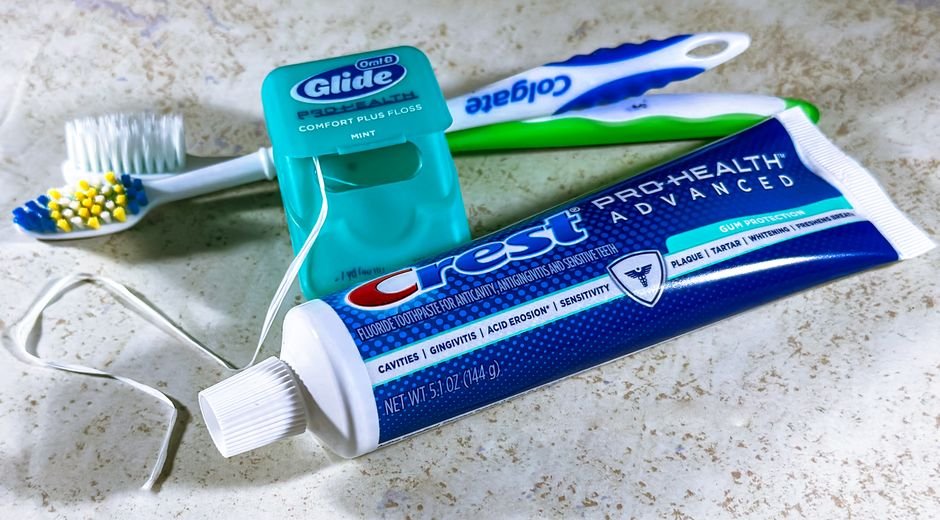
The most effective response to hormone-related oral changes is consistency rather than drastic adjustment. Sticking with thorough twice-daily brushing, daily flossing and regular checkups helps the mouth manage the extra sensitivity that comes with hormonal shifts, whatever the cause. A soft-bristled brush and gentle technique are particularly useful during periods of heightened gum reactivity.
It also helps to mention any major hormonal changes, whether from a new life stage, a new medication or a diagnosed condition, during a dental visit. This context allows a dental professional to keep a closer eye on any patterns and offer tailored advice, rather than treating every symptom as an isolated issue.
Do Stress Hormones Play a Role Too?
Cortisol, the body’s primary stress hormone, can also influence oral health when levels stay elevated for long periods. Chronic stress has been linked to increased teeth grinding, jaw clenching and a weakened ability to fight off gum inflammation, since sustained high cortisol can dampen certain immune responses that normally help keep bacteria in check.
Managing stress through regular sleep, physical activity and relaxation techniques doesn’t just support overall wellbeing, it can also ease some of the knock-on effects on the mouth. Noticing jaw tension or a habit of clenching during stressful periods is worth mentioning at a dental checkup, since a nightguard or other simple measure can prevent long-term wear on the teeth.
How Does Diet Interact With Hormonal Oral Changes?
Diet and hormones don’t act in isolation, and what a person eats can either ease or worsen hormone-related sensitivity in the gums. Diets rich in refined sugar tend to feed the same bacteria that already benefit from the increased inflammatory response hormones can trigger, compounding the effect during an already sensitive window.
Leaning on foods rich in vitamin C, calcium and antioxidants supports gum tissue resilience and can help offset some of the extra reactivity that comes with hormonal shifts. Small, steady dietary habits, rather than occasional overhauls, tend to make the biggest long-term difference to how the mouth responds during these periods.
Frequently Asked Questions
Is it normal for gums to bleed more during certain hormonal phases?
Yes, increased blood flow to gum tissue during hormonal shifts can make gums bleed more easily during brushing or flossing. This is usually temporary and tends to settle once hormone levels stabilise, though maintaining gentle, consistent hygiene during these periods helps keep inflammation in check.
Does menopause increase the risk of dental problems?
The decline in oestrogen during menopause can reduce saliva flow and affect bone density, both of which can influence oral health. This doesn’t mean dental problems are inevitable, but it does mean extra attention to hydration and regular checkups can be particularly valuable during this stage of life.
Can hormonal gum sensitivity be prevented entirely?
It can’t always be prevented completely since it’s tied to natural biological processes, but its impact can be minimised. Consistent, gentle oral hygiene and professional cleanings help limit how much plaque buildup interacts with already sensitive tissue during hormonal fluctuations.
Should a dentist be told about hormonal changes or new medications?
Yes, sharing this information helps a dental professional understand any patterns in gum sensitivity or dryness. It allows for more tailored advice and closer monitoring, rather than treating each symptom as unconnected to broader hormonal changes.
Are hormone-related oral changes the same for everyone?
No, the extent and type of change varies significantly from person to person. Some people notice pronounced gum sensitivity during hormonal shifts while others notice very little change at all. Individual variation is normal and doesn’t necessarily indicate anything is wrong.